Money & Saving

생활비를 계획하고 절약 습관을 만드는 기본 가이드
Essential guides to planning everyday expenses and building better saving habits.

  • A 15-Minute One-Page Review for Recurring Subscriptions

    A 15-Minute One-Page Review for Recurring Subscriptions

    작성자: Kai Life Editorial Team

    To review recurring subscriptions in 15 minutes, gather the latest payment records, place each recurring charge in one comparison table, sort the list by usefulness and review date, choose a specific action for each item, and set a future review date. The aim is not to build a detailed budget. It is to create a clear household spending organization system that makes recurring payments easier to notice and discuss.
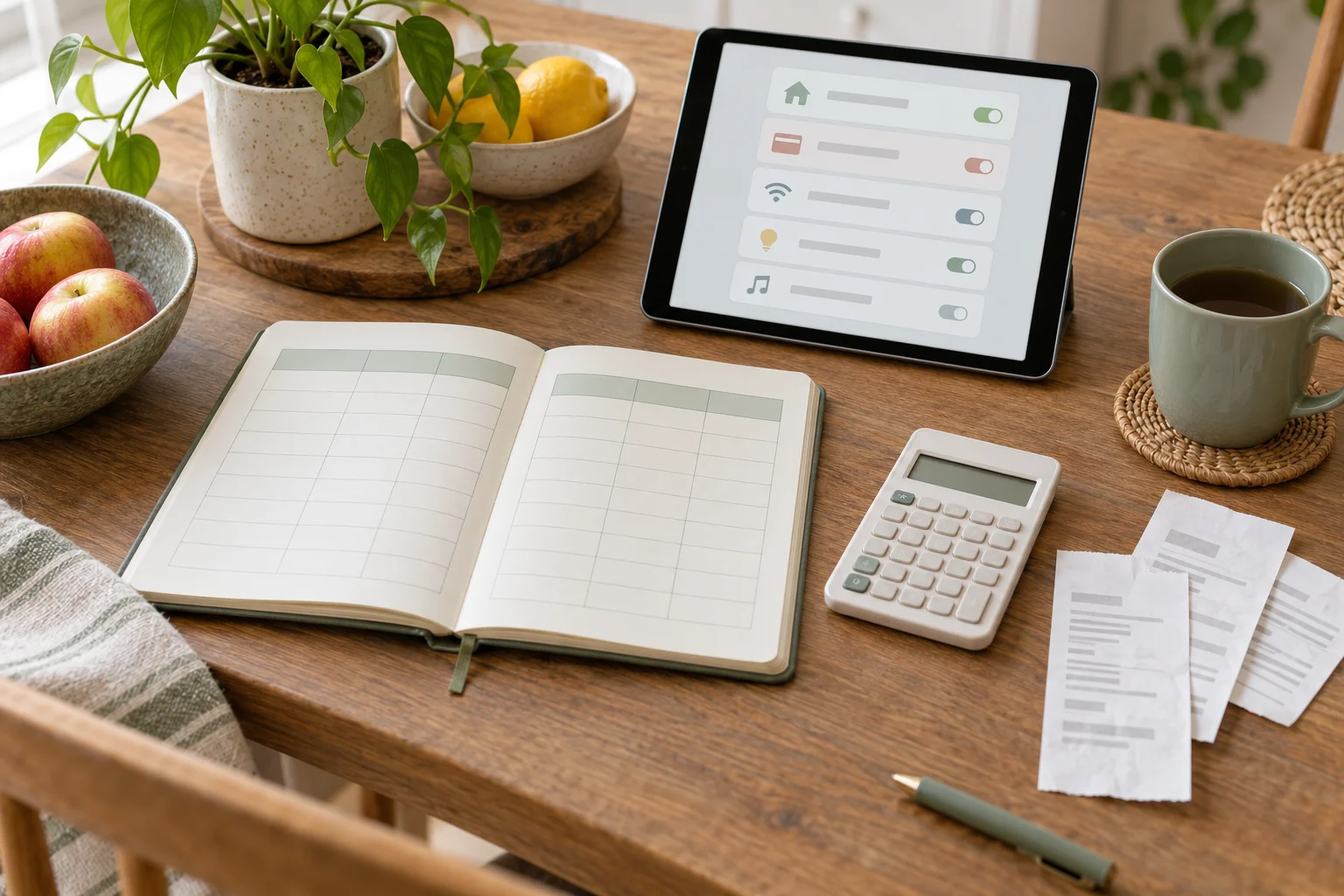
    A household spending ledger and tablet for reviewing recurring payments

    Why a one-page review helps

    Recurring payments can become difficult to track when information is spread across bank statements, email receipts, app stores, family members’ accounts, and paper notes. A one-page view brings the practical details together without requiring a complex finance system.

    The page can answer four useful questions:

    • What recurring payment is this?
    • Who uses it and how often?
    • When should the household review it?
    • What action, if any, should happen next?

    This approach focuses on organization rather than financial advice. It does not require judging a purchase by price alone. A service may be valuable because it supports work, education, communication, entertainment, or household routines. The table simply makes the current arrangement easier to see.

    Prepare: collect the information without overbuilding the system

    Start with one place for the review. This could be a sheet of paper, a notes app, or a spreadsheet. Choose the format that household members can open and update with the least friction.

    Collect recent evidence from places you already use, such as:

    • Bank or card transaction records
    • Email receipts and renewal notices
    • App-store subscription pages
    • Household members’ payment records
    • Invoices or account settings for recurring services

    For each item, record the name shown on the payment record rather than relying on memory. Payment descriptions can differ from the brand or service name, so add a short plain-language label if the charge is unclear.

    Keep the first pass narrow. The purpose is to identify recurring payments, not to classify every household purchase. One-off purchases, variable utility bills, and irregular expenses can be listed separately for a later review if needed.

    Sort: use a comparison table that supports decisions

    A useful table contains enough detail to support a conversation but not so many columns that updating it becomes a burden. Copy the template below into a document or spreadsheet.

    Service or payment User Payment note Usefulness Next action Review date
    Example service Person or household Renewal or payment detail Keep, question, or unclear Keep, check, pause, or cancel Date to revisit

    Use short labels instead of long explanations. For example, “used for school work” or “shared by two people” may be more useful than a detailed review. If the payment amount or billing interval is known from your own records, add it to the payment note. If it is not clear, write “check record” rather than guessing.

    For the usefulness column, try three neutral labels:

    • Keep: The household currently relies on it or has a clear reason to retain it.
    • Question: The service may be useful, but the household needs to confirm usage, duplication, or timing.
    • Unclear: The payment or service is not yet identified well enough to decide.

    These labels delay a rushed decision when the evidence is incomplete. They also make the table more useful for a household conversation.

    Act: choose one next step for each row

    After the list is visible, assign one practical next action to each entry. The action should describe something a person can do, not a vague intention.

    • Keep: Add a short reason and a future review date.
    • Check: Open the account or receipt to confirm the payment details.
    • Ask: Confirm with the household member who uses the service.
    • Compare: Check whether another household payment serves a similar purpose.
    • Pause or cancel: Follow the service’s account instructions after the household agrees.
    • Monitor: Leave the item in the table and review it after a defined period.

    Writing the next action prevents the page from becoming a passive list. It also separates identification from decision-making. A charge can be recorded today even when the household needs more information before changing it.

    When more than one person pays for subscriptions, note the responsible person or account location in a private field if that helps coordination. Avoid storing passwords, full payment card details, or security answers in the table.

    The 15-minute action plan

    Use a timer if a short session helps the household stay focused. The following structure is designed for a first pass, not a complete financial review.

    1. Minutes 0–3: Prepare. Open the chosen page and gather the payment records, receipts, or account screens that are readily available.
    2. Minutes 3–7: List. Add each recurring payment you can identify. Record the service name, user, and a brief payment note.
    3. Minutes 7–10: Sort. Mark each row as keep, question, or unclear. Group similar services or payments that may overlap.
    4. Minutes 10–13: Act. Assign one next action to each row. Complete a quick confirmation when the relevant account or receipt is already open.
    5. Minutes 13–15: Review. Choose a future review date, note unresolved questions, and store the page where household members can find it.

    If the list is longer than the available time, stop after recording the items you found and write “continue list” as the next action. A partial, clearly labeled record can be more practical than rushing through every account.

    A copyable household checklist

    Use this checklist before closing the review:

    • Prepare: I chose one shared location for the recurring-payment list.
    • Prepare: I checked the payment records and receipts available to me.
    • Sort: I recorded the service name as it appears in the payment record.
    • Sort: I added the likely user or household purpose.
    • Sort: I marked items as keep, question, or unclear.
    • Act: I gave each row a next action.
    • Act: I avoided guessing when a payment detail was uncertain.
    • Review: I wrote a future date for the next check.
    • Review: I stored the page in a location household members can access.

    Make the routine easier to repeat

    The system works best when the next review requires little setup. Keep the table name clear, such as “Recurring payments review,” and place it with other household records. If a new subscription starts, add it when the receipt or confirmation arrives rather than waiting for the next review session.

    A short note can also explain how the table is used: “Add recurring payments, record questions, and review the next actions on the selected date.” This gives household members a shared starting point without requiring a long set of rules.

    Consider separating three kinds of information:

    • Current list: Services and recurring payments that need household attention.
    • Questions: Charges that need identification or confirmation.
    • Past decisions: A brief record of what was changed and when, if the household finds that useful.

    Do not put confidential login details in the spending record. The table is an organization tool, not a replacement for secure account management.

    Common problems and practical adjustments

    “I cannot identify the payment name.”

    Copy the payment description exactly, then label it “unclear” and record where you plan to investigate it. Check an available receipt, account page, or household member’s records rather than relying on assumptions.

    “Different people use different payment accounts.”

    Add a user or account-location note that helps the household coordinate. Keep the note general and avoid recording sensitive account credentials.

    “The table is becoming too detailed.”

    Remove columns that do not support a decision. A service name, user, payment note, next action, and review date may be enough for a simple system.

    “We do not agree about whether to keep a service.”

    Mark the row as “question,” record the specific point to discuss, and choose a date for revisiting it. The table can hold the unresolved item without forcing an immediate conclusion.

    FAQ

    How often should a household review recurring subscriptions?

    Choose a schedule that fits the household’s routines, such as a monthly, quarterly, or seasonal review. The useful choice is one that people can remember and carry out. A new or changed payment can be added outside that schedule.

    Should the table include payment amounts?

    It can, if the amount is available in your own records and helps the household understand the entry. If the amount changes or is uncertain, include a note such as “verify current record” rather than entering an unconfirmed figure.

    What should happen to an unfamiliar recurring charge?

    Record the charge, mark it as unclear, and investigate it through the relevant payment record or account channel. Avoid deleting the row before its source and purpose are understood.

    Is a spreadsheet required?

    No. Paper, a notes app, or another shared document can work. The key feature is a single, readable view with a clear next action for each item.

    Conclusion

    A one-page recurring-payment review turns scattered spending records into a manageable household routine. In 15 minutes, prepare the records, sort them into a comparison table, assign practical actions, and set a review date. The result is not a promise of lower spending; it is a clearer system for noticing recurring payments and deciding what deserves attention next.


  • 구독 서비스 목록을 한눈에 점검하는 15분 생활비 정리 루틴

    구독 서비스 목록을 한눈에 점검하는 15분 생활비 정리 루틴

    작성자: Kai Life 편집팀

    생활비 정리를 어렵게 만드는 항목 중 하나는 매달 반복되지만 자주 확인하지 않는 구독 서비스와 정기 결제입니다. 이 글의 방법은 결제 수단이나 가계부 앱을 바꾸지 않고도, 최근 결제 내역을 모아 15분 동안 확인하고 다음 행동을 정하는 루틴입니다. 핵심은 모든 지출을 완벽하게 기록하는 것이 아니라, 계속 유지할 항목과 다시 확인할 항목을 구분하는 데 있습니다.

    생활비 기록표와 반복 결제 항목을 확인하는 태블릿

    먼저 준비할 것: 15분 동안 확인할 자료

    시작 전에 자료를 한곳에 모으면 검색하느라 시간을 쓰는 일을 줄일 수 있습니다. 종이와 펜, 메모 앱, 스프레드시트 중 편한 도구 하나만 사용하세요. 처음부터 완성된 가계부를 만들 필요는 없습니다.

    • 최근 결제 내역을 확인할 수 있는 카드 또는 계좌 기록
    • 휴대전화의 앱스토어·플레이스토어 구독 관리 화면
    • 이메일이나 문자로 받은 결제 알림
    • 가족이 함께 사용하는 서비스의 목록
    • 다음 확인일을 적을 메모 공간

    여러 결제 수단을 사용한다면 모두 확인하되, 한 번에 오래 붙잡지 않는 것이 좋습니다. 이번 루틴에서 빠진 자료는 다음 점검 때 보완하면 됩니다. 중요한 것은 누락 가능성을 인정하면서도 정기적으로 확인하는 구조를 만드는 것입니다.

    4단계 프레임워크로 구독 목록 정리하기

    1단계 준비: 이름과 결제 흔적 모으기

    결제 내역에 표시된 이름을 그대로 적고, 실제로 어떤 서비스인지 모르면 물음표를 남깁니다. 결제처 이름만 보고 서비스의 용도를 단정하지 말고, 이메일이나 앱의 구독 화면에서 다시 확인하세요. 같은 서비스가 카드, 계좌, 앱스토어 등 서로 다른 이름으로 표시될 수 있으므로 이름이 다르다고 곧바로 중복 결제로 판단하지 않습니다.

    2단계 분류: 사용 여부와 필요성을 나누기

    각 항목을 다음 네 가지 중 하나로 표시합니다. 이 분류는 서비스를 평가하는 최종 결론이 아니라, 다음 행동을 정하기 위한 임시 표입니다.

    분류 판단 기준 다음 행동
    유지 최근에도 사용했고 앞으로도 필요함 다음 점검일만 기록
    확인 사용 여부나 결제 조건이 불분명함 서비스 화면과 결제 내역 재확인
    정리 검토 최근 사용이 드물거나 대체 방법이 있음 해지·일시정지·요금제 변경 조건 확인
    중복 의심 비슷한 목적의 서비스가 여러 개임 사용 목적을 비교한 뒤 하나씩 검토

    ‘정리 검토’는 즉시 해지하라는 뜻이 아닙니다. 해지 시점, 저장 자료, 가족 공유 여부, 재가입 조건처럼 먼저 확인할 내용이 있을 수 있습니다. 무료 기간이 끝난 항목이나 결제 주기가 긴 항목도 ‘확인’으로 두고 실제 조건을 살펴보세요.

    3단계 실행: 한 번에 한 가지 행동 정하기

    15분 루틴에서는 항목마다 행동을 길게 고민하지 않습니다. 각 서비스 옆에 다음 중 하나만 적습니다.

    1. 유지한다.
    2. 다음 결제 전에 다시 확인한다.
    3. 공식 관리 화면에서 해지 또는 변경 조건을 확인한다.
    4. 가족과 사용 여부를 확인한다.
    5. 무엇인지 추가로 조사한다.

    해지나 변경을 실행할 때는 결제 관리 화면에서 완료 여부를 확인하고, 확인 화면이나 이메일을 보관할지 결정합니다. 이 글에서는 특정 서비스의 해지 절차나 환불 가능성을 단정하지 않습니다. 서비스마다 조건과 화면이 다를 수 있으므로 해당 서비스의 공식 안내를 기준으로 확인하세요.

    4단계 점검: 다음 확인일을 남기기

    정리를 끝냈다면 목록을 버리지 말고 다음 확인일을 남깁니다. 날짜는 생활 패턴에 맞춰 정하면 됩니다. 매달 생활비를 확인하는 날, 카드 명세서를 보는 날, 급여일 이후처럼 이미 존재하는 일정과 연결하면 별도의 습관을 만들 부담을 줄일 수 있습니다.

    바로 복사해 쓰는 15분 실행표

    아래 표를 메모 앱이나 문서에 복사한 뒤, 알고 있는 항목부터 채워 보세요. 금액을 반드시 적어야 하는 것은 아니지만, 금액을 확인할 수 있다면 결제 내역과 함께 기록하면 비교가 쉬워집니다.

    서비스 또는 결제처 결제 수단 사용 목적 분류 다음 행동 확인일
    유지·확인·정리 검토·중복 의심
    유지·확인·정리 검토·중복 의심
    유지·확인·정리 검토·중복 의심

    시간별 진행 순서

    1. 0~3분: 카드·계좌·앱 구독 화면에서 목록을 모읍니다.
    2. 3~8분: 서비스 이름과 목적을 적고 네 가지 분류 중 하나를 표시합니다.
    3. 8~12분: 각 항목에 유지, 재확인, 조건 확인, 가족 확인 중 하나의 행동을 정합니다.
    4. 12~15분: 다음 확인일과 추가로 확인할 자료를 남깁니다.

    생활비 기록을 오래 유지하는 체크리스트

    • 결제처 이름을 모를 때 추측하지 않고 ‘확인’으로 표시했는가?
    • 가족이 함께 쓰는 서비스인지 확인했는가?
    • 비슷한 목적의 서비스만 ‘중복 의심’으로 비교했는가?
    • 해지나 변경을 결정하기 전에 저장 자료와 이용 조건을 확인했는가?
    • 다음 확인일을 기존 생활비 기록 일정과 연결했는가?
    • 이번에 확인하지 못한 결제 수단을 별도 메모했는가?

    목록을 작성할 때 모든 지출을 같은 수준으로 관리하려 하면 금방 피로해질 수 있습니다. 반복 결제처럼 자동으로 빠져나가는 항목을 우선 확인하고, 일회성 지출은 별도의 기록 방식으로 나누는 편이 실용적입니다. 생활비 기록의 목적은 숫자를 많이 모으는 데 있지 않고, 다음 달에 다시 확인할 수 있는 정보를 남기는 데 있습니다.

    자주 묻는 질문

    구독 서비스가 많지 않아도 이 루틴이 필요한가요?

    필수는 아니지만, 결제 수단이 여러 개이거나 가족이 함께 사용하는 서비스가 있다면 목록을 한 번 만들어 두는 데 도움이 될 수 있습니다. 항목이 적다면 15분보다 짧게 끝내도 괜찮습니다.

    금액을 모르면 어떻게 기록하나요?

    서비스 이름, 결제처, 사용 목적만 먼저 적고 금액은 ‘확인’ 상태로 남기세요. 결제 내역을 다시 확인한 뒤 보완하면 됩니다. 확인하지 않은 금액을 추정해 입력하지 않는 것이 좋습니다.

    사용하지 않는 서비스는 바로 해지해야 하나요?

    반드시 그렇지는 않습니다. 저장된 자료, 가족 사용 여부, 해지 후 이용 가능 범위, 결제 조건을 먼저 확인해야 할 수 있습니다. 확인이 끝난 뒤 유지, 변경, 해지 중 상황에 맞는 결정을 하세요.

    비교표에는 무엇을 넣어야 하나요?

    서비스명, 사용 목적, 이용자, 결제 수단, 사용 빈도, 다음 확인일 정도면 충분합니다. 가격이나 조건을 기록할 때는 현재 확인한 공식 결제 화면이나 명세서를 기준으로 날짜를 함께 적으면 나중에 정보가 바뀌었을 때 구분하기 쉽습니다.

    마무리

    구독 서비스 목록을 정리하는 핵심은 복잡한 가계부를 새로 만드는 것이 아니라, 흩어진 정기 결제를 한 표에 모으고 각 항목의 다음 행동을 정하는 데 있습니다. 오늘 15분 동안 준비·분류·실행·점검 순서로 진행한 뒤, 다음 확인일을 기존 생활비 기록 일정에 연결해 보세요. 모든 항목을 한 번에 완벽하게 정리하지 못해도, 모르는 항목을 표시하고 다시 확인할 자리를 남기면 목록은 점차 관리 가능한 자료가 됩니다.


  • Household Spending Organization: A Simple 15-Minute Monthly Routine

    Household Spending Organization: A Simple 15-Minute Monthly Routine

    작성자: Kai Life Editorial Team

    Household spending organization becomes easier when the goal is not to record every detail, but to create a useful monthly picture. A simple 15-minute routine can help you gather recent spending records, group them into a few practical categories, identify recurring payments, and choose one follow-up action. The method below uses four steps: prepare, sort, act, and review.

    A household spending ledger and tablet for reviewing recurring payments

    Why group household spending?

    Many households have spending information spread across bank apps, card statements, receipts, payment notifications, and handwritten notes. Looking at each transaction separately can make the month feel more complicated than it is.

    Grouping spending creates a clearer view. Instead of asking where every small amount went, you can ask broader questions:

    • Which payments repeat each month?
    • Which expenses are essential for the household routine?
    • Which expenses change from month to month?
    • Which records need a note because the purpose is unclear?

    The purpose is not to judge every purchase. It is to make the next household decision easier. A useful record can be brief, consistent, and easy to update.

    The four-part framework: prepare, sort, act, review

    Use the same four stages each month. Keeping the stages separate prevents the routine from turning into an unplanned deep review.

    1. Prepare

    Collect the sources you already use for household spending records. Depending on your household, these may include a bank transaction list, card statement, payment notification, receipt folder, or shared expense note.

    Choose one place for the monthly summary. It could be a spreadsheet, a notes app, or a paper sheet. The tool matters less than having a consistent location that household members can understand.

    For the first session, use the most recent completed month. Do not delay the routine while trying to reconstruct older months.

    2. Sort

    Group transactions using categories that help you make decisions. A practical starting set is:

    • Home and utilities: housing-related household bills and basic services.
    • Food: groceries, meals, and other food-related spending.
    • Transport: commuting, fuel, fares, parking, and similar costs.
    • Health and care: health-related purchases and care expenses.
    • Household and personal: home supplies, clothing, personal items, and routine purchases.
    • Leisure and social: hobbies, entertainment, outings, and social occasions.
    • Unclear or one-time: transactions that need a note before they can be grouped confidently.

    You do not need a large number of categories. If two categories lead to the same decision, consider combining them. If a category contains several different decisions, consider separating it.

    3. Act

    After sorting, select one or two items that deserve attention. Examples include confirming an unfamiliar recurring payment, adding a note to a one-time expense, or deciding who will record a shared purchase.

    An action should be specific enough to complete. “Control spending” is vague. “Check the three recurring payments listed in the monthly summary” is easier to follow.

    4. Review

    Finish by recording a short monthly note. Mention an unusual expense, a category that was difficult to classify, and the action to carry into the next month. This creates context without requiring a long diary.

    A 15-minute household spending routine

    The following schedule keeps the session focused. Adjust the timing if your household has more accounts or several people recording expenses.

    Time Task Output
    Minutes 0–3 Prepare recent records and open the monthly summary One working list of transactions or totals
    Minutes 3–8 Sort spending into broad categories Grouped spending records
    Minutes 8–11 Mark recurring, one-time, and unclear items Short review list
    Minutes 11–14 Choose one or two follow-up actions Specific next steps
    Minute 15 Write a short monthly note Context for the next review

    If the records are incomplete, write down what is missing and continue with the information available. The aim of this routine is to create a workable summary, not to turn one month into a reconstruction project.

    How to identify recurring payments

    Recurring payments deserve a separate mark because they can continue without appearing in daily spending decisions. Look for similar descriptions, repeated dates, or regular amounts in your records.

    Use a simple recurring-payment list:

    Payment or service Typical timing Record status Next check
    Example: household service Monthly Confirmed or unclear Review description
    Example: membership Regular interval Confirmed or unclear Check whether it is still used

    Use the table as a record, not as a prompt to cancel a payment automatically. Before changing a payment, check the relevant account details, household needs, and any applicable service terms.

    Use expense notes for context

    A number alone may not explain why a transaction occurred. A short expense note can prevent confusion later. Useful notes answer one question: “What should we remember about this item?”

    • Purpose: “Replacement household item.”
    • Timing: “One-time purchase this month.”
    • Shared responsibility: “Paid by one household member; discuss shared recording.”
    • Classification: “Recorded under food because the receipt included mixed items.”
    • Follow-up: “Confirm whether this payment repeats next month.”

    Keep notes short. A few useful words are easier to maintain than a detailed explanation for every transaction.

    A copyable monthly comparison table

    Use this table to compare the current month with the previous month without creating a complex financial report.

    Category Previous month Current month What changed? Next action
    Home and utilities
    Food
    Transport
    Health and care
    Household and personal
    Leisure and social
    Unclear or one-time

    Use the “What changed?” column for a short explanation rather than a judgment. For example, note a seasonal purchase, a family event, a replacement item, or an item that was recorded differently from the previous month.

    Copyable 15-minute checklist

    • Gather the household spending records for the completed month.
    • Choose one place for the monthly summary.
    • Group spending into a small set of useful categories.
    • Mark recurring payments separately.
    • Mark one-time or unclear expenses.
    • Add short notes where the purpose may be forgotten.
    • Compare the current summary with the previous month.
    • Choose one or two specific follow-up actions.
    • Write one sentence about what to remember next month.

    Common problems and simpler alternatives

    “Our records are incomplete.”

    Start with the records that are available and label missing areas. A partial summary can still show which payments need clarification. Add a process improvement for the next month, such as saving receipts in one place or using one shared expense note.

    “We disagree about categories.”

    Choose a rule that can be applied consistently and write it beside the table. For mixed purchases, use the category that best supports the household decision, then add a brief note if needed. Consistency is more useful than debating every borderline item.

    “The review takes too long.”

    Reduce the number of categories and limit the session to one month. The first few reviews may require extra setup, but the ongoing routine can remain short when the same structure is reused.

    “The list feels judgmental.”

    Use neutral labels such as “one-time,” “recurring,” “unclear,” and “review.” The record is a coordination tool for the household, not a scorecard for individual purchases.

    Conclusion

    A practical household spending organization system does not need to track every detail. In a 15-minute monthly routine, prepare the records, sort them into useful groups, mark recurring and unclear items, choose a small action, and leave a note for the next review. The result is a clearer spending record that can support household conversations without creating a large administrative task.

    FAQ

    How many household spending categories should we use?

    Begin with a small set that reflects the decisions your household makes. If a category is difficult to use consistently, rename it, combine it with a related category, or split it only when the distinction is useful.

    Should every transaction have an expense note?

    No. Add notes to items that are unusual, unclear, shared, or likely to be forgotten. Routine items can usually be grouped without a detailed explanation.

    What should we do with a payment we do not recognize?

    Mark it as unclear and check the relevant statement, account notification, or household member before classifying it. Avoid making a decision based only on a short transaction description.

    Can this routine replace a full household budget?

    This routine is for organizing spending records and preparing a monthly review. It does not replace any separate planning your household may use for saving, bills, or other financial decisions.


  • 월별 생활비 항목을 단순하게 나누는 기준: 15분 실행 루틴

    월별 생활비 항목을 단순하게 나누는 기준: 15분 실행 루틴

    작성자: Kai Life 편집팀

    생활비 정리는 지출 항목을 많이 만드는 것보다 다음 달에도 같은 기준으로 다시 기록할 수 있게 나누는 일이 핵심입니다. 가장 간단한 출발점은 월별 지출을 고정비, 변동비, 비정기 지출의 세 묶음으로 구분한 뒤, 매달 15분 동안 정기 결제와 큰 변동만 점검하는 방식입니다. 세부 항목은 필요한 만큼만 추가하고, 기록 목적이 흐려질 정도로 잘게 쪼개지는 것은 피합니다.

    생활비 기록표와 반복 결제 항목을 확인하는 태블릿

    1. 생활비 항목을 세 묶음으로 나누는 기준

    항목을 나눌 때는 지출의 이름보다 다음 달에도 비슷한 방식으로 반복되는지를 기준으로 판단하면 편합니다. 아래 세 가지 분류만으로도 대부분의 월별 생활비 흐름을 한눈에 볼 수 있습니다.

    구분 판단 기준 예시 기록 방법
    고정비 금액이나 결제일이 비교적 일정한 지출 주거 관련 비용, 통신비, 정기 구독 결제일과 예상 금액을 함께 기록
    변동비 사용량이나 생활 방식에 따라 달라지는 지출 식비, 교통비, 생활용품 한 달 합계와 주요 원인을 기록
    비정기 지출 매달 발생하지 않지만 특정 시기에 필요한 지출 행사, 수리, 계절용품, 연간 결제 발생일과 다음 예상 시점을 메모

    예를 들어 정기적으로 빠져나가는 온라인 서비스 이용료는 고정비로, 그때그때 달라지는 장보기 비용은 변동비로 볼 수 있습니다. 1년에 한 번 결제되는 비용은 이번 달에 빠져나갔더라도 비정기 지출로 따로 남겨 두면 다음 발생 시점을 놓치기 쉽지 않습니다.

    세부 항목을 추가해도 되는 경우

    세 묶음만으로 원인을 파악하기 어려울 때만 하위 항목을 추가합니다. 변동비 안에서 식비와 교통비를 나누는 것은 다음 달 조정에 도움이 될 수 있습니다. 반면 비슷한 성격의 지출을 결제처별로 계속 쪼개면 기록 시간만 늘고 전체 흐름을 보기 어려워질 수 있습니다.

    • 다음 달 금액을 조정해야 하는 항목인가?
    • 구분했을 때 지출 원인이 더 분명해지는가?
    • 기록할 때 한 번에 판단할 수 있는 이름인가?

    2. 15분 실행 루틴: 준비·분류·실행·점검

    생활비 기록은 한 번에 오래 정리하는 것보다 짧은 시간에 같은 순서로 반복하는 편이 부담이 적습니다. 아래 루틴은 한 달의 지출 흐름을 빠르게 훑고, 다음 달에 확인할 항목을 남기는 데 초점을 둡니다.

    1단계 준비: 2분

    이번 달에 확인할 자료를 한곳에 모읍니다. 계좌 내역, 카드 이용 내역, 현금으로 적어 둔 지출 메모, 정기 결제 목록을 준비합니다. 자료를 모두 완벽하게 맞추려 하기보다 빠진 기록이 있는지 확인할 수 있는 상태를 만드는 것이 목적입니다.

    2단계 분류: 5분

    각 지출 옆에 고정비, 변동비, 비정기 지출 중 하나를 표시합니다. 애매한 항목은 임시로 표시해 두고 다음 단계에서 처리합니다. 이때 결제처 이름만 남기지 말고 실제 용도를 짧게 적으면 나중에 같은 지출을 분류하기 쉽습니다.

    3단계 실행: 5분

    정기 결제를 확인하고 이번 달에 실제로 사용한 서비스와 사용하지 않은 서비스를 나눠 적습니다. 해지나 변경을 바로 결정하기보다, 확인이 필요한 항목을 별도 메모로 남기는 방식이 안전합니다. 변동비에서는 전체 금액보다 평소와 달라진 지출 한두 가지를 먼저 찾습니다.

    4단계 점검: 3분

    다음 달에 다시 확인할 항목을 세 개 이내로 남깁니다. 예를 들어 정기 결제 확인, 비정기 지출 예정일, 기록이 빠진 항목처럼 행동으로 이어지는 표현이 좋습니다. 점검 목록이 지나치게 길어지면 다음 실행 때 부담이 커질 수 있습니다.

    3. 복사해서 쓰는 생활비 기록표

    아래 표는 숫자 자체보다 지출의 성격과 다음 행동을 남기는 데 적합합니다. 메모 앱, 스프레드시트, 종이 노트 중 편한 곳에 옮겨 사용할 수 있습니다.

    날짜 지출 내용 분류 금액 다음 행동 또는 메모
    고정비 / 변동비 / 비정기
    고정비 / 변동비 / 비정기
    고정비 / 변동비 / 비정기

    월말 비교표

    확인 항목 이번 달 상태 다음 달 확인할 점
    고정비 결제일 또는 금액 변화 확인
    변동비 평소와 달라진 원인 기록
    비정기 지출 예상 시점과 준비 방법 메모
    정기 결제 사용 여부와 갱신 시점 확인

    4. 기록이 밀렸을 때 다시 시작하는 방법

    몇 주 또는 몇 달의 기록이 비어 있다면 모든 내역을 처음부터 복원하려고 하기보다 기준일을 정해 다시 시작합니다. 먼저 현재 달의 고정비와 정기 결제부터 적고, 변동비는 큰 지출과 기억나는 지출부터 기록합니다. 세부 금액이 불확실한 항목에는 별도 표시를 남겨 추정치와 확인된 기록을 구분합니다.

    이후 기록 방식이 부담스러운 이유를 찾아 조정합니다. 입력 칸이 너무 많다면 분류를 줄이고, 결제처만 적어 용도가 헷갈린다면 메모 칸에 한 단어를 추가합니다. 핵심은 과거 기록을 깔끔하게 만드는 데만 머무르지 않고, 다음 달에 같은 방식으로 이어 갈 수 있도록 구조를 가볍게 바꾸는 것입니다.

    실행 전 체크리스트

    • 이번 달 계좌·카드 내역을 확인할 준비가 되었는가?
    • 지출을 고정비, 변동비, 비정기 지출 중 하나로 표시했는가?
    • 정기 결제의 결제일과 사용 여부를 메모했는가?
    • 평소와 달라진 변동비의 원인을 한 줄로 남겼는가?
    • 다음 달에 확인할 항목을 세 개 이내로 정했는가?

    자주 묻는 질문

    항목을 몇 개까지 만들어야 하나요?

    처음에는 고정비, 변동비, 비정기 지출 세 가지로 시작해도 충분합니다. 특정 항목의 변동 원인을 파악해야 할 때만 식비, 교통비처럼 하위 분류를 추가하는 방식이 관리하기 쉽습니다.

    정기 결제는 고정비로만 기록하면 되나요?

    분류상으로는 고정비에 넣을 수 있지만, 별도의 정기 결제 목록을 함께 두면 갱신 시점과 사용 여부를 확인하기 좋습니다. 고정비 합계와 정기 결제 점검은 서로 다른 목적의 기록으로 볼 수 있습니다.

    금액이 정확하지 않은 지출은 어떻게 하나요?

    확인되지 않은 금액은 추정치라고 표시하고, 나중에 확인할 자료를 메모합니다. 확인된 금액과 추정치를 구분하면 기록의 신뢰도를 판단하기 쉬워집니다.

    마무리

    생활비 정리는 세부 내역을 많이 쌓는 작업이 아니라, 다음 달의 판단에 필요한 정보만 남기는 과정입니다. 고정비·변동비·비정기 지출로 먼저 나누고, 15분 동안 정기 결제와 큰 변동을 확인한 뒤, 다음 달에 볼 항목을 짧게 남겨 보세요. 가족이 함께 기록한다면 분류 이름과 메모 방식을 먼저 맞추는 것만으로도 기록이 훨씬 덜 흔들릴 수 있습니다.


THANKS KAI CONTACT

WeChat

위챗에서 QR코드를 스캔해 주세요.
Scan the QR code in WeChat.

Thanks Kai WeChat contact QR code위챗 열기 / Open WeChat