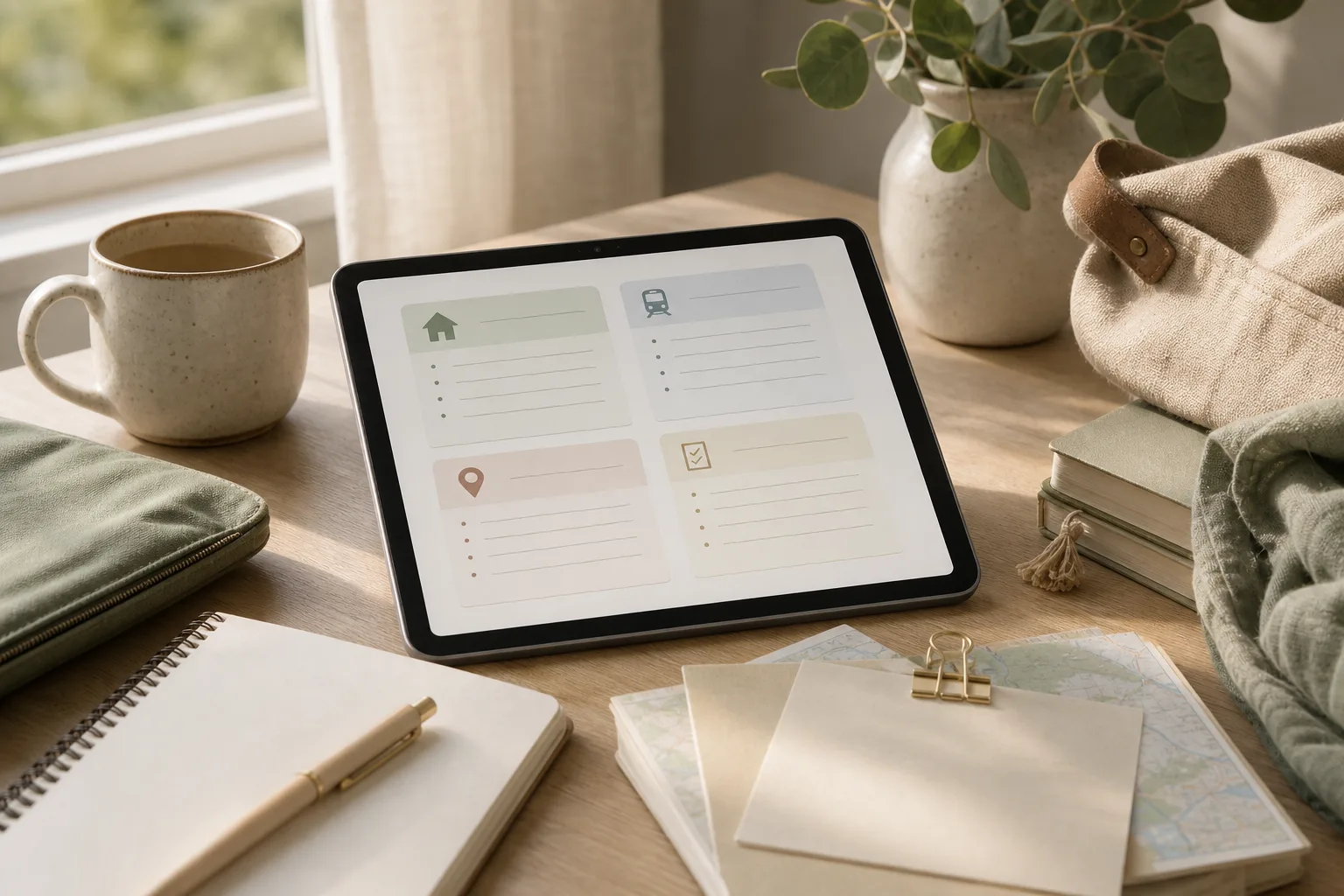
여행 정보 정리는 링크를 많이 저장하는 일이 아니라, 필요한 순간에 장소·시간·이동 정보를 한 페이지에서 찾을 수 있게 만드는 일입니다. 메모 앱, 문서, 북마크 등 평소 사용하는 한 곳을 정한 뒤 15분 동안 링크를 모으고 분류하면 여행 계획의 기본 틀을 만들 수 있습니다.
이 글에서는 준비·분류·실행·점검의 4단계로 여행 일정 링크를 정리합니다. 특정 서비스나 유료 도구가 없어도 따라 할 수 있으며, 여행 전 정보가 바뀔 수 있다는 점을 고려해 마지막 확인 단계까지 포함했습니다.
1. 먼저 한 페이지의 구조를 정합니다
처음부터 예쁜 여행 일정표를 만들려고 하면 링크를 옮기는 데 시간이 오래 걸릴 수 있습니다. 먼저 한 페이지 안에 어떤 정보를 어디에 둘지 정하고, 빈칸을 채우는 방식으로 진행하세요.
추천 기본 구조
여행 개요: 여행 날짜, 지역, 동행자, 이번 여행의 우선순위
날짜별 일정: 날짜 또는 이동 순서에 따른 방문 후보
장소 목록: 장소명, 링크, 방문 이유, 확인할 내용
예약·교통: 예약 페이지, 승차·탑승 정보, 결제 또는 취소 관련 메모
출발 전 점검: 운영시간, 휴무일, 예약 상태, 이동 소요시간을 다시 볼 항목
한 페이지는 반드시 하나의 앱이나 특정 제품일 필요가 없습니다. 평소 검색과 편집이 편한 문서, 메모, 스프레드시트 중 하나를 선택하면 됩니다. 중요한 것은 여행 중에도 같은 페이지를 다시 찾을 수 있도록 제목을 명확하게 붙이는 것입니다. 예를 들어 ‘6월 부산 여행 정보’처럼 지역과 기간을 함께 적으면 다른 메모와 구분하기 쉽습니다.
2. 15분 실행표로 여행 정보를 모읍니다
아래 순서대로 시간을 나누면 자료를 찾다가 계획 자체가 늘어지는 일을 줄일 수 있습니다. 각 단계가 끝날 때마다 완벽하게 정리하려 하지 말고, 다음 단계로 넘어갈 만큼만 입력하세요.
시간
단계
실행할 일
완료 기준
0~2분
준비
한 페이지를 만들고 여행 개요를 적습니다.
페이지 제목과 날짜 또는 지역이 보입니다.
2~7분
수집
메신저, 브라우저, 메모에 흩어진 링크를 한곳에 붙여 넣습니다.
후보 링크가 빠짐없이 모여 있습니다.
7~11분
분류
장소, 식사, 교통, 예약, 참고로 나눕니다.
각 링크에 최소 한 개의 분류가 붙어 있습니다.
11~14분
실행
날짜별 또는 이동 순서별로 핵심 장소를 배치합니다.
하루의 우선 방문지와 후보지가 구분됩니다.
14~15분
점검
빠진 링크와 다시 확인할 내용을 표시합니다.
확인 대기 항목이 눈에 보입니다.
수집 단계에서는 판단을 미룹니다
처음 5분에는 링크의 가치나 일정 적합성을 평가하지 말고 일단 모으세요. 검색 결과 링크, 장소 공식 페이지, 지도 위치, 예약 관련 페이지를 한 줄씩 붙여 넣습니다. 출처를 바로 확인하기 어려운 링크는 삭제하기보다 확인 필요라고 표시하는 편이 안전합니다.
링크만 붙이면 나중에 무엇을 봐야 하는지 알기 어려우므로 짧은 메모를 덧붙입니다. 예를 들면 ‘아침 방문 후보’, ‘비 오는 날 대안’, ‘예약 여부 확인’처럼 행동과 연결된 표현이 좋습니다. 긴 감상문보다 다음에 할 일을 적는 방식이 일정 정리에 유용합니다.
3. 장소 목록을 실제 일정으로 바꾸는 방법
장소 목록이 많다고 해서 모두 일정에 넣을 필요는 없습니다. 각 장소에 우선순위를 붙이고, 같은 날 함께 검토할 항목을 묶어 이동 흐름을 확인하세요. 방문 순서를 확정하기 어려운 경우에는 확정 일정과 후보 일정을 분리하면 계획이 지나치게 빡빡해지는 것을 막을 수 있습니다.
장소를 세 가지로 나누기
우선 방문: 여행 목적과 직접 연결되거나 방문 시점을 먼저 검토해야 하는 곳
조건부 방문: 날씨, 체력, 대기시간, 운영 여부에 따라 선택할 곳
대체 장소: 일정 변경이나 휴무에 대비해 남겨 둘 곳
각 장소를 배치할 때는 링크의 내용뿐 아니라 현실적인 조건도 함께 적습니다. 운영시간이나 휴무일은 변동될 수 있으므로 페이지를 저장한 시점과 재확인할 시점을 표시하세요. 지도에 표시된 위치만 보고 이동 가능하다고 판단하지 말고, 실제 출발 지점과 이동 방법은 여행 전에 별도로 확인하는 것이 좋습니다.
복사해서 사용할 수 있는 일정 템플릿
여행명: [지역 또는 여행 이름]
기간: [날짜]
이번 여행의 우선순위: [예: 산책 / 음식 / 전시]

[날짜 또는 Day 1]
- 우선 방문: [장소명] | 링크: [URL]
  메모: [방문 이유 / 확인할 시간]
- 후보: [장소명] | 링크: [URL]
  메모: [조건 또는 대체 이유]
- 이동·예약: [확인할 내용] | 링크: [URL]

[출발 전 확인]
- [ ] 운영시간과 휴무일 재확인
- [ ] 예약 상태 또는 예약 필요 여부 확인
- [ ] 장소 주소와 이동 방법 확인
- [ ] 날씨나 일정 변경에 따른 대안 확인
- [ ] 현장에서 다시 볼 링크가 열리는지 확인
4. 출발 전 3분 점검으로 오류를 줄입니다
여행 정보 정리에서 가장 중요한 부분은 저장 자체보다 재확인입니다. 장소의 운영 여부, 예약 조건, 교통 상황 등은 페이지를 저장한 뒤에도 달라질 수 있습니다. 따라서 한 페이지의 마지막에 점검 목록을 남기고, 출발 직전 또는 방문 당일에 확인할 항목을 구분하세요.
점검 체크리스트
링크: 페이지가 열리고 원하는 정보가 있는가?
시간: 방문일 기준으로 운영시간과 휴무일을 확인했는가?
예약: 예약 완료 여부와 변경·취소 조건을 확인했는가?
위치: 장소명이 비슷한 다른 지점과 혼동하지 않았는가?
순서: 이동 방향과 방문 순서가 무리하지 않은가?
대안: 일정이 밀리거나 장소 이용이 어려울 때 바꿀 곳이 있는가?
모든 정보를 한 번에 확정할 필요는 없습니다. 확인하지 못한 항목은 숨기지 말고 미확인 또는 현장 확인으로 표시하세요. 이렇게 하면 정리된 정보와 아직 판단하지 않은 정보를 구분할 수 있습니다.
자주 묻는 질문
링크가 너무 많을 때는 어떻게 하나요?
처음에는 모두 한 페이지에 모은 뒤, 우선 방문·조건부 방문·대체 장소로 나누세요. 삭제부터 하기보다 분류를 먼저 하면 나중에 다시 찾을 가능성이 있는 자료를 놓칠 위험을 줄일 수 있습니다. 여행이 끝난 뒤에는 실제로 사용하지 않은 링크를 별도 보관하거나 정리할 수 있습니다.
하루 일정에 장소를 몇 개 넣어야 하나요?
정해진 개수보다 이동시간, 체류시간, 예약시간, 동행자의 상태를 함께 고려하는 것이 중요합니다. 이 글의 방법은 특정 장소 수를 권장하는 것이 아니라, 우선순위와 대체안을 구분하도록 돕는 방식입니다. 확정 일정과 후보 일정을 나누면 현장에서 조정하기도 쉽습니다.
여행 중 인터넷이 불안정하면 어떻게 하나요?
중요한 주소, 예약 정보, 운영시간은 링크만 남기지 말고 짧은 텍스트로도 기록하는 것이 좋습니다. 다만 저장한 정보가 최신인지 확인하기 어려울 수 있으므로, 출발 전 최신 내용을 다시 확인하고 필요한 화면이나 문서를 개인적으로 보관하세요.
마무리: 한 페이지는 여행 계획의 출발점입니다
여행 정보 정리는 자료를 많이 모으는 경쟁이 아니라, 필요한 정보를 빠르게 찾고 변경 사항을 알아보기 쉽게 만드는 작업입니다. 한 페이지를 만든 뒤 15분 동안 수집과 분류를 진행하고, 우선 방문지·후보지·대체 장소를 나누면 계획을 현실적인 일정으로 바꾸기 쉬워집니다.
마지막으로 운영시간, 예약, 위치, 이동 순서를 다시 확인하세요. 정보는 바뀔 수 있으므로 저장 시점과 재확인 항목을 함께 남기는 것이 좋습니다. 오늘은 여행 개요와 링크 몇 개만 먼저 모은 뒤, 위 템플릿을 복사해 다음 단계로 이어가면 됩니다.
LOUIS VUITTON Noe Purse LV Charms presents a compact interpretation of the House’s recognisable trunk-inspired vocabulary. Designed by Nicolas Ghesquiere exclusively for the Korea show, this black calfskin leather purse brings together a rounded, highly considered silhouette and distinctive metal detailing. Its small proportions make it an elegant choice for edited carry, while the drawstring closure and decorative charms give the design an immediately identifiable finish.
At 11.5 cm wide, 11.5 cm high and 11.5 cm deep, it is a piece to approach as a focused accessory rather than an expansive everyday tote. The balanced dimensions allow the purse to sit neatly within a refined wardrobe, whether styled with understated tailoring, a soft knit, or an evening look. Black calfskin leather keeps the visual direction versatile, while gold-color hardware introduces a polished contrast.
The appeal lies in its ability to function as both a compact day bag and a distinctive day-to-evening accent. Rather than relying on excess decoration, it uses a concentrated arrangement of House details: trunk-style metal corners, an embossed LV Circle charm, a round charm engraved with LV, and the signature drawstring closure. Together, these elements create a strong visual identity without losing the clean impact of the black finish.
Design Details and Styling Character
LOUIS VUITTON Noe Purse LV Charms is defined by a compact, rounded construction in black calfskin leather. The material is specified for the leather, trim and lining, giving the purse a consistent tactile and visual language throughout. Gold-color hardware provides a warm counterpoint to the deep black surface and helps the decorative elements stand out when the bag is worn.
Compact proportions: the width, height and depth are each 11.5 cm, creating a neat, balanced profile for carefully selected essentials.
Drawstring closure: a practical design feature that also reinforces the purse’s softly gathered, compact character.
Trunk-inspired metal corners: a structured House reference that adds definition to the silhouette.
Signature charms: the embossed LV Circle charm and round LV-engraved charm bring focused detail to the exterior.
Black calfskin leather: a versatile foundation for both tonal dressing and high-contrast styling.
Gold-color hardware: a refined accent that coordinates naturally with gold jewellery and warm-toned accessories.
For a quiet daytime look, pair the purse with black trousers, a crisp shirt and a fine-gauge knit. The compact shape can provide a considered finishing note without competing with the rest of the outfit. For a more expressive approach, use it against cream, camel or soft grey, allowing the black leather and gold-color hardware to become the focal point.
In the evening, its day-to-evening character makes it well suited to a streamlined dress or tailored separates. Keep other accessories selective so the LV charms and trunk-style corners remain legible. A simple watch, small earrings or a single gold-tone detail can echo the hardware while preserving the purse’s distinctive signature flair.
How to Wear a Compact Statement Purse
The most effective way to style this purse is to treat its compact size as an invitation to edit. Before carrying it, consider the essentials you genuinely need for the occasion and keep the overall composition light. This approach suits the bag’s small, balanced dimensions and allows its design details to remain central.
Refined daily dressing: combine the black purse with a monochrome base, such as a black skirt or trousers with a matching top. Add a contrasting outer layer in a neutral shade to create depth while maintaining a clean, polished outline.
Smart casual coordination: use it with denim, a tailored jacket and minimal footwear. The formal cues of the gold-color hardware and charms can elevate relaxed pieces without making the outfit feel overworked.
Work-adjacent occasions: style it with compact tailoring and keep larger work items separate, as the stated dimensions are designed for edited carry rather than broad storage. Its defined shape can complement a precise blazer or structured coat.
Day-to-evening dressing: transition from a knit or shirt during the day to a sleek dress or tailored evening look. Changing only the surrounding accessories can make the purse feel newly focused while its black finish remains consistent.
Detail-led accessorising: echo the gold-color hardware with restrained jewellery, or let the LV charms stand alone against a simple outfit. Avoid introducing too many competing emblems if you want the House details to read clearly.
Colour coordination is particularly straightforward. Black offers a strong foundation for white, ivory, grey, camel, burgundy and denim. Gold-colour accents can be repeated subtly through jewellery, eyewear details or footwear hardware. Alternatively, keep the rest of the look cool and minimal so the hardware becomes a small, warm point of contrast.
Selection and Care Considerations
When considering LOUIS VUITTON Noe Purse LV Charms, begin with the intended role. Its 11.5 cm cube-like dimensions make it best suited to compact, selective carry. If your usual routine requires a larger quantity of belongings, consider whether this purse will serve as a focused accessory for specific occasions rather than as your only daily bag.
The black colour is a practical styling choice because it works across seasons and can move between understated and more formal wardrobes. The design is also particularly suitable if you appreciate visible House detailing: the LV Circle charm, engraved round charm and trunk-style metal corners are central to its character. Those who prefer an entirely minimal exterior may find the signature elements more expressive than expected.
The material details are equally important to the selection process. The purse is described as calfskin leather, with calfskin leather trim and lining, alongside gold-color hardware. As a leather item with decorative metal components, it should be handled thoughtfully and kept away from situations that may cause avoidable rubbing, marking or contact with moisture. Store it in a clean, dry place and avoid placing heavy or sharp objects inside the compact interior.
For regular coordination, rotate it with outfits that allow the black surface to remain clear and visually intentional. When setting it down, choose a clean surface, and take care around rough textures that could catch against the leather or hardware. Use only care methods appropriate for the specified leather and follow any current guidance provided with the product. Packaging and accessories should also be checked carefully: only items shown in the product photos and expressly listed on the product page are included, and original brand packaging is not guaranteed.
The listed country of manufacture is France, and the product code is LVUHJBJVBCKZZZZZ00. These details can help you identify the precise item when reviewing the product page and comparing the presentation with your styling needs.
Frequently Asked Questions
What is the size of LOUIS VUITTON Noe Purse LV Charms?
Its listed measurements are 11.5 cm in width, 11.5 cm in height and 11.5 cm in depth.
What materials and colours are specified?
The purse is specified in black calfskin leather, with calfskin leather trim and lining, plus gold-color hardware.
What are the main design details?
It features trunk-style metal corners, an embossed LV Circle charm, a round LV-engraved charm and a drawstring closure.
Can it be styled for evening occasions?
Yes. Its compact proportions, black finish and distinctive hardware make it suitable for a carefully edited day-to-evening look.
What is included with the item?
Only items shown in the product photos and expressly listed on the product page are included. Original brand packaging is not guaranteed.
Please verify the current product details, measurements, included items and purchase information on the product page before purchase.
이메일 받은편지함을 정리할 때는 보낸 사람이나 날짜보다 이 메일을 지금 어떻게 처리해야 하는지를 기준으로 나누는 편이 실용적입니다. 예를 들어 ‘처리할 일’, ‘답변 대기’, ‘참고 자료’, ‘보관’ 네 가지 목적을 먼저 정하고, 15분 동안 새 메일을 그중 하나에만 배치하면 디지털 정리의 기준을 만들 수 있습니다.
중요한 점은 받은편지함을 한 번에 완벽하게 비우는 것이 아닙니다. 다시 찾을 때 사용할 이름과 다음 행동을 정하고, 매일 짧게 같은 규칙을 반복하는 것입니다. 아래 방법은 직장인과 1인 사업자가 이메일뿐 아니라 파일 정리, 앱 정리, 링크 관리에도 확장해 사용할 수 있습니다.
1. 이메일을 목적별로 나누는 기본 규칙
폴더나 라벨을 만들기 전에 메일을 열었을 때의 다음 행동을 정합니다. 이름은 업무 분야보다 목적을 중심으로 짓는 것이 좋습니다. 프로젝트가 바뀌거나 거래처가 늘어나도 비교적 오래 사용할 수 있기 때문입니다.
처리할 일: 내가 읽고, 작성하고, 결정하거나 전달해야 하는 메일
답변 대기: 내가 회신했지만 상대방의 답이나 확인을 기다리는 메일
참고 자료: 당장 행동하지 않지만 나중에 확인할 가능성이 있는 안내, 자료, 기록
보관: 처리가 끝났고 다시 볼 가능성이 낮지만 삭제하지 않을 메일
‘중요’, ‘나중에’, ‘기타’처럼 의미가 넓은 이름은 기준이 흔들릴 수 있습니다. 꼭 필요한 경우에는 ‘이번 주 처리’, ‘세금·계약’, ‘고객 기록’처럼 실제 판단에 도움이 되는 보조 분류를 추가하되, 처음부터 폴더를 많이 만들지는 않는 편이 낫습니다.
받은편지함에 남길 메일의 조건
받은편지함은 저장 공간이 아니라 아직 판단하지 않은 작업 목록으로 사용할 수 있습니다. 따라서 다음 중 하나에 해당할 때만 남깁니다.
오늘 또는 가까운 시일 안에 내가 해야 할 일이 있다.
회신이나 확인을 기다리고 있어 후속 점검이 필요하다.
열어 본 뒤 분류할지 아직 판단하지 못했다.
이미 확인했고 추가 행동이 없다면 참고 자료나 보관으로 옮깁니다. 뉴스레터, 자동 알림, 영수증처럼 반복적으로 들어오는 메일은 별도 기준을 정해 구독 해지나 자동 분류를 검토할 수 있습니다. 다만 중요한 고지나 계약 관련 알림까지 자동으로 숨겨지지 않는지 먼저 확인해야 합니다.
2. 15분 실행 루틴: 준비·분류·실행·점검
15분 루틴은 오래된 메일을 모두 처리하는 시간이 아니라, 오늘 들어온 메일과 눈에 띄는 미처리 메일의 다음 행동을 정하는 시간입니다. 타이머를 사용하고 한 메일에 지나치게 오래 머무르지 않는 것이 핵심입니다.
단계
시간
할 일
준비
2분
폴더 이름과 오늘 처리할 범위를 확인한다.
분류
6분
메일을 네 가지 목적 중 하나로 이동하거나 표시한다.
실행
5분
짧게 끝나는 회신과 삭제·보관을 처리한다.
점검
2분
답변 대기와 다음 확인 시점을 기록한다.
준비: 오늘의 범위를 좁히기
먼저 받은편지함 전체를 보지 말고 오늘 도착한 메일, 별표나 표시가 있는 메일, 아직 읽지 않은 메일 중 하나만 선택합니다. 범위를 넓히면 오래된 메일을 정리하다가 15분이 끝날 수 있습니다. 오래된 메일은 별도의 정리 시간에 다루는 편이 좋습니다.
분류: 한 메일에 한 판단만 하기
메일을 열고 다음 질문을 순서대로 확인합니다.
내가 해야 할 행동이 있는가?
그 행동은 오늘 끝낼 수 있는가?
내가 회신했으며 상대방의 답을 기다리는가?
행동은 없지만 나중에 참고할 가치가 있는가?
답에 따라 처리할 일, 답변 대기, 참고 자료, 보관 중 하나로 옮깁니다. 여러 항목에 해당하는 것처럼 보여도 현재 필요한 행동을 기준으로 우선 분류합니다. 예를 들어 계약서가 첨부된 회신 요청 메일은 ‘참고 자료’보다 ‘처리할 일’에 두고, 회신을 보낸 뒤 ‘답변 대기’로 옮기는 식입니다.
실행: 2분 안에 끝나는 일부터 처리하기
짧은 회신, 일정 확인, 불필요한 알림 삭제처럼 바로 끝낼 수 있는 일은 분류 단계 뒤에 처리합니다. 시간이 더 필요한 업무는 이메일 안에서 계속 붙잡지 말고 작업 목록에 옮깁니다. 메일 폴더가 할 일 목록까지 대신하게 되면 받은편지함이 다시 복잡해질 수 있습니다.
작업 목록에는 ‘자료 검토’처럼 넓은 표현보다 ‘첨부 파일에서 금액 확인 후 회신’처럼 다음 행동을 적습니다. 마감일이 정해져 있다면 날짜도 함께 기록합니다. 메일에는 “확인 후 목요일에 회신하겠습니다”처럼 상대방과 합의한 일정만 남기고, 내 업무 계획은 별도 도구나 메모에 관리하는 방식이 구분하기 쉽습니다.
점검: 기다리는 일에 날짜 붙이기
‘답변 대기’ 폴더에 메일을 넣었다면 언제 다시 확인할지 정합니다. 날짜를 정하지 않으면 폴더가 또 하나의 보이지 않는 보관함이 되기 쉽습니다. 일정이 불확실하다면 ‘이번 주 확인’, ‘다음 연락일 확인’처럼 점검 기준을 적어 둡니다.
3. 이메일 규칙을 파일·앱·링크에 확장하기
디지털 정리는 저장 위치를 많이 만드는 작업이 아니라, 다시 찾을 때의 질문을 통일하는 작업입니다. 이메일에서 사용한 네 가지 목적을 파일과 링크에도 적용할 수 있습니다.
파일 정리
작업 중: 아직 수정하거나 검토해야 하는 파일
검토 대기: 다른 사람의 의견이나 승인을 기다리는 파일
참고: 내용을 읽기 위해 보관하는 자료
완료·보관: 현재 작업이 끝난 최종본과 기록
파일명에는 날짜, 대상, 상태 중 실제로 다시 찾을 때 필요한 요소만 사용합니다. 예를 들어 2025-업무명-검토중처럼 규칙을 정할 수 있지만, 현재 사용하는 연도와 업무 방식에 맞게 바꿔야 합니다. 같은 파일을 여러 폴더에 복사하기보다 원본 위치를 하나 정하고 링크나 바로가기를 활용하면 버전 혼동을 줄이는 데 도움이 됩니다.
앱 정리
앱은 사용 빈도보다 다음 행동을 기준으로 배치합니다. 매일 쓰는 앱은 첫 화면, 가끔 쓰는 앱은 한 폴더, 설치했지만 목적이 불분명한 앱은 삭제 전 사용 여부를 확인하는 식입니다. 인증, 결제, 업무 기록처럼 삭제에 주의해야 하는 앱은 백업과 로그인 정보를 확인한 뒤 판단합니다.
앱 폴더 이름도 ‘기타’보다 ‘은행·결제’, ‘업무 도구’, ‘사진 편집’처럼 사용 목적을 나타내면 찾는 시간이 줄어들 수 있습니다. 다만 새 앱을 설치할 때마다 폴더를 늘리기보다 기존 앱을 대체하는지 먼저 확인합니다.
링크 관리
링크는 저장한 이유가 사라지면 다시 찾기 어렵습니다. 링크를 저장할 때 제목만 남기지 말고 한 줄 메모를 함께 적습니다. 예를 들면 ‘나중에 읽기’, ‘업무 참고’, ‘구매 전 비교’, ‘작성 중인 자료의 출처’처럼 사용 목적을 표시합니다.
링크를 저장한 뒤 다음 점검 때도 열어 보지 않았다면 계속 보관할 필요가 있는지 검토합니다. 로그인해야 하는 페이지, 삭제될 수 있는 게시물, 개인 정보가 포함된 주소는 다른 사람과 공유하거나 장기간 보관하기 전에 접근 권한과 보안 상태를 확인해야 합니다.
4. 바로 복사해 쓰는 15분 체크리스트
아래 목록을 매일 또는 주 2~3회 업무 시작 전후에 적용할 수 있습니다. 빈도는 메일 양과 업무 성격에 맞춰 조정합니다.
오늘 확인할 이메일 범위를 정했는가?
각 메일을 처리할 일, 답변 대기, 참고 자료, 보관 중 하나로 판단했는가?
2분 안에 끝나는 회신과 삭제·보관을 처리했는가?
시간이 더 필요한 일에 다음 행동과 마감일을 적었는가?
답변 대기 메일에 다시 확인할 날짜를 정했는가?
첨부 파일을 필요한 위치에 저장하고 파일명을 알아볼 수 있게 바꾸었는가?
참고 링크를 저장한 이유를 한 줄로 남겼는가?
새로 설치한 앱이나 사용하지 않는 앱을 점검했는가?
다음 정리 시간에 이어서 볼 항목을 한두 개만 남겼는가?
5. 규칙이 무너질 때 조정하는 방법
모든 메일을 네 가지 폴더에 정확히 넣으려고 하면 오히려 정리가 부담스러워질 수 있습니다. 분류 시간이 길어지거나 특정 폴더가 계속 쌓이면 규칙을 줄이거나 이름을 바꿉니다. 예를 들어 답변 대기 메일이 거의 없다면 처리할 일과 참고 자료만으로 시작할 수 있습니다.
반대로 업무별로 보안이나 접근 권한이 다르다면 목적별 분류만으로 충분하지 않을 수 있습니다. 이런 경우에는 먼저 회사나 고객의 보안 정책, 보관 의무, 공유 권한을 확인하고 그 범위 안에서 폴더를 정합니다. 중요한 기록을 개인 계정이나 개인 기기에 옮기는 것도 적절하지 않을 수 있습니다.
정리를 놓친 날에는 이전 메일을 모두 따라잡으려 하지 말고 오늘 들어온 메일부터 기준을 다시 적용합니다. 오래된 메일은 검색어, 발신자, 기간을 좁혀 별도의 15분 세션으로 나누어 처리하면 부담을 낮출 수 있습니다.
자주 묻는 질문
받은편지함을 꼭 비워야 하나요?
꼭 비울 필요는 없습니다. 받은편지함을 아직 판단하지 않은 작업 목록으로 쓸지, 모든 메일을 모아 두는 공간으로 쓸지 먼저 정하면 됩니다. 중요한 것은 남아 있는 메일의 의미를 스스로 알 수 있는 상태입니다.
폴더와 라벨 중 무엇을 사용해야 하나요?
사용 중인 이메일 서비스에서 찾기 쉽고 유지하기 쉬운 방식을 선택하면 됩니다. 폴더를 쓰더라도 이름과 목적이 분명해야 하며, 라벨을 쓰더라도 너무 많은 분류를 만들지 않는 것이 좋습니다.
답변 대기 메일을 언제 확인해야 하나요?
상대방과 약속한 일정, 업무의 긴급성, 업종의 연락 주기를 기준으로 정합니다. 정해진 기준이 없다면 매일 한 번 또는 주간 점검 시간처럼 현실적으로 지킬 수 있는 주기를 선택하고, 긴급한 업무는 별도 알림을 사용합니다.
오래된 메일을 삭제해도 되나요?
삭제 전에 계약, 세금, 결제, 고객 기록, 회사 보관 정책과 관련이 없는지 확인해야 합니다. 보관 의무나 분쟁 가능성이 있는 기록은 개인 판단으로 삭제하지 말고 해당 정책이나 담당자에게 확인합니다.
마무리
이메일 정리는 더 많은 폴더를 만드는 일이 아니라, 메일을 열었을 때 다음 행동을 빠르게 결정할 수 있도록 기준을 세우는 일입니다. 먼저 처리할 일, 답변 대기, 참고 자료, 보관의 네 가지 목적만 만들고, 15분 동안 준비·분류·실행·점검을 반복해 보세요. 이후 같은 기준을 파일 정리, 앱 정리, 링크 관리에도 적용하면 도구가 달라도 디지털 공간을 관리하는 방식이 일관되어집니다.
JIMMY CHOO Eleri ballerinas in soft spazzolato leather bring a composed, distinctive finish to the ballet-pump wardrobe. Designed in a BLACK/BLACK colourway, this pair balances a closed square toe and low, flat heel with contrasting-looking texture and detail: patent leather, open-weave fishnet, visible stitching and a pearl-embellished buckled strap. The result is a silhouette that feels polished without becoming overly formal.
As part of the women’s ballet-pump edit, these ballerinas are especially well suited to wardrobes built around considered neutrals, tailored separates and quietly expressive accessories. The 2 cm heel keeps the profile low, while the structured toe and decorative strap give the shoe a clear visual identity. A side logo adds another branded detail without displacing the overall elegance of the design.
The design is manufactured in Italy and is listed as true to size, with the recommendation to take your normal size. The stated composition is 60% textile, 20% leather, 10% rubber, 5% salpa and 5% metal. These details make the pair a useful choice for anyone seeking a refined flat with texture, definition and a strong evening-to-day styling range.
Design details that shape the look
The appeal of this pair lies in the dialogue between classic ballet-pump codes and more decorative finishing. Its flat, low-heel construction creates a restrained foundation, while the square toe gives the front of the shoe a modern, architectural line. This is a useful distinction when choosing between softer rounded shapes and a more defined silhouette.
Closed square toe: a clean, structured front that works naturally with tailored and streamlined outfits.
Low flat heel: the heel height is listed as 2 cm / 0.79 in, preserving a low-profile appearance.
Black-on-black palette: the BLACK/BLACK colourway makes the pair easy to coordinate with monochrome dressing and darker accessories.
Open-weave fishnet detail: introduces texture and visual lightness within the otherwise dark design.
Patent leather finish: contributes a polished surface and a subtle contrast against the textile elements.
Pearl-embellished buckled strap: provides the most distinctive decorative accent, bringing a jewellery-like note to the upper.
Visible stitching and side logo: add definition to the construction and reinforce the considered finish.
The material information identifies a mixed composition of textile, leather, rubber, salpa and metal. Because the pair combines several visible surfaces and a decorative fastening, it is best understood as a detail-led ballet pump rather than a purely minimal basic.
How to wear them across the week
For a precise daytime look, style the ballerinas with straight-leg trousers and a crisp shirt. The square toe echoes the clean lines of tailoring, while the pearl-embellished strap softens the outfit with a more decorative touch. Keep the rest of the accessories restrained so the shoe remains the focal point.
They also work naturally with a tonal black outfit. Try a black knit, a fluid midi skirt and the BLACK/BLACK ballerinas for an understated silhouette with variation coming from surface rather than colour. The patent leather and open-weave fishnet details can create gentle depth even when every garment follows the same dark palette.
For a more relaxed daily look, pair them with cropped denim or ankle-length trousers and a fine-gauge top. Showing a little of the foot can draw attention to the strap and open-weave detail, while the low heel keeps the overall styling grounded. A structured handbag can echo the square toe and make the outfit feel intentional.
For occasions that call for a refined finish without a high heel, combine the ballerinas with a simple dress in black, cream or another quiet neutral. The visible stitching and pearl detail offer enough presence for an occasion-led outfit, while the flat construction keeps the profile more restrained than a conventional dress shoe.
When coordinating jewellery, repeat the pearl accent subtly rather than matching it heavily. A single pearl-inspired detail or a clean metal accessory can connect with the buckle without competing with it. The strongest combinations allow the shoe’s mix of patent leather, textile texture and embellishment to remain clearly visible.
What to consider before choosing
Begin with the silhouette you want. The closed square toe gives these ballerinas a more defined appearance than a rounded ballet pump, so they suit wardrobes that favour crisp proportions and polished lines. If your existing shoes are mostly soft and understated, this pair can add structure without introducing a bright colour.
Next, consider your approach to texture. The design combines patent leather with open-weave fishnet, visible stitching and a pearl-embellished buckle. This makes it particularly suitable for outfits where the shoe is expected to contribute detail. If you prefer an entirely plain flat, the decorative elements may feel more prominent; if you enjoy texture-led accessories, they offer useful styling flexibility.
Check the proportions against your usual wardrobe. A 2 cm / 0.79 in heel keeps the shoe close to the ground, making it visually compatible with trousers, skirts and dresses that benefit from a low profile. The listed colour, BLACK/BLACK, is a practical foundation for black tailoring, tonal dressing and neutral separates.
For fit, the supplied information states that the ballerinas fit true to size and recommends taking your normal size. Consult the available size guide before purchase, particularly if you are deciding between sizes or are unfamiliar with the brand’s fit. The product code is JCH2F69GBCKJA11A00.
Finally, plan care around the mixed construction. The product includes textile, leather, rubber, salpa and metal, alongside a patent leather finish and decorative buckle. Keep the pair protected from avoidable contact with rough surfaces, and follow appropriate care guidance for each material rather than treating the shoe as a single-surface design. Store it carefully so the upper, strap and embellishment retain their intended presentation.
Frequently asked questions
What type of shoe is this? It is a pair of ballet pumps with a closed square toe, flat low heel, buckled strap, visible stitching, patent leather and open-weave fishnet detailing.
What is the heel height? The listed heel height is 2 cm / 0.79 in.
What colour are the ballerinas? The colour is BLACK/BLACK.
How should I choose the size? The supplied product information states that the ballerinas fit true to size and recommends taking your normal size. Check the size guide before ordering.
Where are they made? The country of manufacture is listed as Italy.
What materials are listed? The composition is 60% textile, 20% leather, 10% rubber, 5% salpa and 5% metal.
Please verify the current product details, composition, sizing information and purchase information on the product page before purchase.
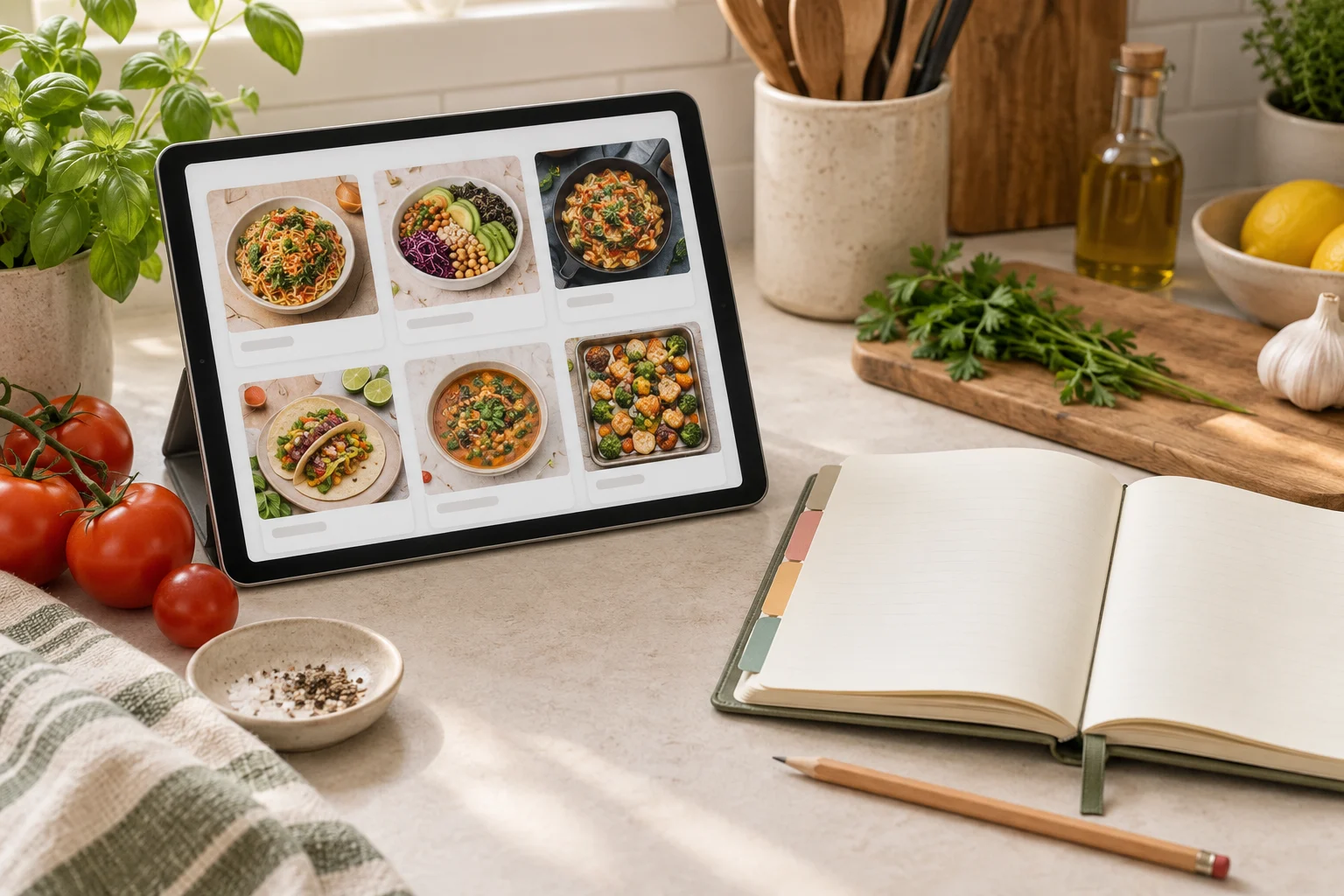
일주일 메뉴 후보를 빠르게 고르려면 처음부터 완벽한 식단을 만들기보다, 떠오르는 메뉴를 모은 뒤 준비 부담과 재료 겹침을 기준으로 줄여 가면 됩니다. 핵심은 준비 3분, 분류 4분, 실행 5분, 점검 3분으로 나누어 총 15분 안에 메모를 끝내는 것입니다. 메뉴를 모두 확정하지 않아도 후보와 장보기 항목의 뼈대를 만들 수 있습니다.
왜 메뉴 메모를 따로 정리해야 할까
바쁜 생활에서는 요리 자체보다 ‘무엇을 먹을지’ 결정하는 과정이 더 큰 부담이 될 수 있습니다. 냉장고에 있는 재료를 떠올리고, 필요한 재료를 확인하고, 비슷한 메뉴를 비교하는 일을 매일 반복하면 장보기 목록도 자주 바뀝니다.
메뉴 메모의 목적은 매일 새로운 요리를 찾는 데 있지 않습니다. 이번 주에 고려할 후보를 한곳에 모아 선택의 범위를 줄이고, 장보기와 주방 정리를 연결하는 데 있습니다. 따라서 처음부터 정확한 순서나 완성된 식단을 정하지 않아도 됩니다.
생각나는 메뉴를 임시 후보로 적습니다.
조리 부담과 재료 겹침을 기준으로 후보를 나눕니다.
실제로 실행할 메뉴와 보류할 메뉴를 구분합니다.
빠진 재료만 장보기 목록으로 옮깁니다.
이 방식은 식품 보관 기간이나 조리 안전 기준을 판단하는 방법이 아닙니다. 그런 판단이 필요한 재료는 별도의 공식 안내와 제품 표시를 확인해야 하며, 여기서는 메뉴를 정리하는 과정만 다룹니다.
15분 실행 루틴: 준비·분류·실행·점검
1단계 준비: 메모 공간과 기준을 먼저 정하기
타이머를 15분으로 맞추고 메모 앱이나 종이 한 장을 준비합니다. 메뉴를 찾기 전에 이번 주에 고려할 기준을 간단히 정하면 검색이나 고민이 길어지는 것을 막을 수 있습니다.
집에 이미 있는 재료를 먼저 쓸 것인지
조리가 간단한 메뉴를 몇 개 넣을 것인지
비슷한 재료를 여러 메뉴에 활용할 것인지
외식이나 남은 음식처럼 직접 준비하지 않는 끼니를 표시할 것인지
기준은 많을수록 좋은 것이 아닙니다. 이번 주에 가장 중요한 기준 하나 또는 두 개만 고릅니다. 예를 들어 ‘평일에는 준비가 짧은 메뉴 우선’, ‘한 번 산 재료를 여러 번 활용’처럼 적습니다.
2단계 분류: 메뉴 후보를 세 칸으로 나누기
다음 4분 동안 메뉴를 떠올리되, 각 메뉴의 세부 레시피를 확인하지 말고 이름만 적습니다. 후보를 바로 가능, 재료 확인, 보류 세 칸으로 나누면 결정 피로를 줄일 수 있습니다.
분류
판단 기준
메모 예시
바로 가능
현재 재료와 시간 조건에 잘 맞는 후보
집에 있는 재료로 구성할 수 있는 메뉴
재료 확인
몇 가지 항목을 사면 실행할 수 있는 후보
공통 재료가 포함된 메뉴
보류
이번 주 일정이나 준비 부담과 맞지 않는 후보
시간이 많이 필요하거나 재료가 겹치지 않는 메뉴
여기서 중요한 점은 보류를 실패로 보지 않는 것입니다. 보류 칸은 다음 주에 다시 검토할 후보를 보관하는 공간입니다. 이번 주에 억지로 넣지 않으면 장보기 목록이 불필요하게 커지는 것을 막을 수 있습니다.
3단계 실행: 메뉴 후보를 실제 끼니에 배치하기
다음 5분에는 후보를 요일이나 끼니에 배치합니다. 모든 칸을 채우기보다 실제로 준비할 가능성이 높은 메뉴부터 배치하고, 비워 둔 칸은 대체 선택지로 남겨 둡니다.
일정이 바쁜 날에는 준비 부담이 낮은 후보를 먼저 적습니다.
시간을 낼 수 있는 날에는 상대적으로 손이 가는 후보를 검토합니다.
한 재료를 여러 메뉴에서 활용할 수 있는지 표시합니다.
아직 결정하기 어려운 칸에는 ‘미정’이라고 적습니다.
미정 칸을 채우기 위해 새로운 메뉴를 계속 찾지는 않습니다.
메뉴를 배치할 때는 ‘먹고 싶은 메뉴’와 ‘실제로 준비할 수 있는 메뉴’를 따로 적어도 좋습니다. 두 목록이 항상 같을 필요는 없습니다. 중요한 것은 선택 기준이 보이도록 만드는 것입니다.
4단계 점검: 장보기 목록과 연결하기
마지막 3분에는 확정 또는 유력 후보에 필요한 재료만 장보기 목록으로 옮깁니다. 메뉴별로 재료를 반복해서 적기보다 공통 항목을 한 번으로 합치고, 이미 집에 있는 것은 제외 표시를 합니다.
확인 항목
체크
집에 있는 재료를 먼저 표시했는가
□
여러 메뉴에 쓰이는 공통 재료를 묶었는가
□
미정 메뉴의 재료를 과하게 추가하지 않았는가
□
이번 주에 실제로 준비할 후보만 남겼는가
□
보류 메뉴를 별도 메모로 옮겼는가
□
복사해서 쓰는 15분 메뉴 메모 양식
아래 양식은 메모 앱에 그대로 붙여 넣어 사용할 수 있습니다. 메뉴를 확정하지 못한 칸도 그대로 남겨 두고, 다음 점검 때 수정하면 됩니다.
이번 주 메뉴 메모

이번 주 기준:
-
-

1. 바로 가능
-
-
-

2. 재료 확인
-
-
-

3. 보류
-
-

요일별 후보
- 월:
- 화:
- 수:
- 목:
- 금:
- 주말:

공통으로 필요한 재료
-
-

집에 있는 재료
-
-

이번 장보기 목록
- [ ]
- [ ]
- [ ]

다음 점검 때 바꿀 점:
-
이 양식에서 ‘요일별 후보’는 확정 식단이 아니라 현재 기준의 임시 배치입니다. 일정이 바뀌거나 재료를 구하지 못하면 후보 칸을 바꾸면 됩니다. 메모의 목적은 계획을 고정하는 것이 아니라 변경 사항을 한눈에 보이게 하는 데 있습니다.
메뉴 후보를 고를 때 유용한 세 가지 기준
재료 겹침을 확인하기
한 메뉴에만 쓰이는 재료가 많으면 장보기 목록이 길어질 수 있습니다. 후보를 비교할 때 ‘이 재료가 다른 메뉴에도 쓰이는가’를 표시하면 선택 기준이 선명해집니다. 다만 재료를 겹치게 하는 것이 언제나 적절한 것은 아니므로, 실제로 활용할 수 있는지 함께 확인해야 합니다.
준비 부담을 단계로 나누기
메뉴를 어렵고 쉬운 두 종류로만 나누기보다 ‘짧게 준비’, ‘일반적인 준비’, ‘시간을 따로 내야 함’처럼 세 단계로 나누어 보세요. 한 주의 모든 메뉴를 같은 부담으로 구성하지 않고, 일정에 맞춰 분산하는 데 도움이 됩니다.
미정 칸을 허용하기
모든 끼니를 미리 결정해야 한다는 압박은 메모 루틴을 오래 유지하기 어렵게 만들 수 있습니다. 미정 칸을 남겨 두고, 그 칸을 채울 때 사용할 후보 두 개만 적어 두는 방식도 괜찮습니다. 선택지를 무한히 늘리는 대신 제한된 후보 안에서 고르는 구조를 만드는 것이 핵심입니다.
주방 생활 정리를 이어 가는 점검 방법
15분 루틴을 반복할 때는 결과보다 메모가 실제 생활과 맞았는지를 확인합니다. 한 번의 계획이 잘 맞지 않았더라도 기준을 바꾸면 다음 메모를 조정할 수 있습니다.
실행하지 못한 메뉴는 왜 남았는지 한 단어로 적습니다.
장보기 목록에 있었지만 사용하지 않은 항목을 표시합니다.
재료가 겹친 메뉴가 실제로 편했는지 확인합니다.
다음 주에도 참고할 후보는 보류 목록으로 옮깁니다.
자주 바뀌는 기준은 메모 상단에 고정합니다.
예를 들어 ‘메뉴가 너무 많았다’, ‘평일 후보가 부족했다’, ‘공통 재료를 활용하지 못했다’처럼 짧게 기록하면 됩니다. 긴 후기를 쓸 필요는 없습니다. 다음 선택에 영향을 주는 정보만 남기는 것이 주방 정리와 생활 루틴을 가볍게 유지하는 방법입니다.
자주 묻는 질문
일주일 메뉴를 모두 확정해야 하나요?
그럴 필요는 없습니다. 실행 가능성이 높은 메뉴를 먼저 배치하고, 나머지는 후보나 미정으로 남겨도 됩니다. 일정이 자주 바뀌는 생활이라면 일부만 확정하는 방식이 더 현실적일 수 있습니다.
메뉴가 잘 떠오르지 않을 때는 어떻게 하나요?
새로운 메뉴를 찾기 전에 최근에 자주 먹었던 메뉴, 집에 있는 재료와 연결되는 메뉴, 준비 부담이 낮은 메뉴를 각각 한두 개씩 적어 보세요. 처음부터 많은 후보를 만들기보다 분류 기준에 맞는 최소 후보를 확보하는 것이 좋습니다.
장보기 목록은 언제 작성해야 하나요?
메뉴 후보를 어느 정도 줄인 뒤 마지막 점검 단계에서 작성하는 편이 좋습니다. 후보가 확정되기 전에 필요한 재료를 모두 적으면 실제로 사용하지 않을 항목이 늘어날 수 있습니다.
메모를 종이와 앱 중 무엇으로 해야 하나요?
더 자주 확인할 수 있는 도구를 선택하면 됩니다. 종이는 한눈에 보기 쉽고, 앱은 수정과 복사가 편리합니다. 도구를 바꾸는 것보다 준비·분류·실행·점검의 순서를 유지하는 것이 중요합니다.
결론: 메뉴를 완성하기보다 선택 과정을 줄이기
일주일 메뉴 후보를 고르는 15분 루틴은 완벽한 식단표를 만드는 작업이 아닙니다. 먼저 기준을 정하고, 후보를 세 칸으로 나누고, 실행 가능성이 높은 메뉴를 배치한 뒤, 필요한 재료만 장보기 목록으로 옮기는 주방 생활 정리 방법입니다.
처음에는 메뉴 후보가 적거나 미정 칸이 남아도 괜찮습니다. 다음 점검에서 실제 생활과 맞지 않았던 부분만 고치면 됩니다. 오늘은 메모 공간을 만들고 후보 세 개만 적는 것부터 시작해 보세요. 작은 기록이 쌓이면 메뉴 선택과 장보기 준비를 한곳에서 관리하기 쉬워집니다.
깔끔한 실루엣과 은은한 포인트 컬러를 함께 찾는다면 CELINE Medium pouch in glossy calfskin을 눈여겨볼 만합니다. 글레이즈드 카프스킨으로 제작된 미디엄 파우치로, 매끄럽고 정돈된 인상이 돋보이는 아이템입니다. 컬러는 DIRTY PINK이며, 골드 피니시가 디자인에 섬세한 포인트를 더합니다.
이 제품은 하나의 지퍼 수납공간과 별도의 지퍼 포켓으로 구성되어 있어 소지품을 나누어 정리하기 좋습니다. 폭 25cm, 높이 16cm, 깊이 2cm의 비교적 슬림한 비율 덕분에 손에 들거나 스타일링의 중심 아이템으로 활용하기에 적합합니다. 데일리룩부터 차분한 외출 룩까지, 과하지 않게 분위기를 바꾸고 싶은 순간에 매치해 보세요.
디자인과 수납 구성을 살펴보기
광택감 있는 카프스킨과 DIRTY PINK 컬러
글로시한 표면감의 카프스킨은 단순한 형태에서도 시선을 끄는 요소가 됩니다. DIRTY PINK는 부드러운 인상을 주면서도 올블랙이나 뉴트럴 톤 중심의 옷차림에 색감의 균형을 더하기 좋습니다. 의상에 색이 많지 않은 날에는 파우치 자체가 룩의 포인트가 되고, 이미 컬러가 들어간 스타일에는 차분한 톤으로 자연스럽게 어우러질 수 있습니다.
슬림한 미디엄 비율
폭 25cm, 높이 16cm, 깊이 2cm의 형태는 두께감이 크지 않아 실루엣을 깔끔하게 유지합니다. 가방의 부피감보다 정제된 라인을 선호하는 분에게 잘 맞는 선택 기준입니다. 다만 실제 수납량은 소지품의 크기와 형태에 따라 달라질 수 있으므로, 평소 휴대하는 물건과 제품의 치수를 함께 비교해 보는 것이 좋습니다.
지퍼 수납공간과 지퍼 포켓
메인 지퍼 수납공간과 지퍼 포켓을 활용하면 소지품을 용도별로 나누어 정리할 수 있습니다. 자주 확인하는 작은 물건은 포켓에, 납작한 필수품은 메인 공간에 배치하는 식으로 사용해 보세요. 안감은 스웨이드 카프스킨이며, 골드 피니시가 전체적인 분위기를 완성합니다. 제조국은 이탈리아이고, 제품 코드와 참조 번호도 구매 전 함께 확인할 수 있습니다.
스타일링과 활용 장면
데일리룩에 부드러운 포인트 더하기
화이트 셔츠, 니트, 데님처럼 기본 아이템을 중심으로 한 데일리룩에는 DIRTY PINK 컬러가 자연스러운 포인트가 됩니다. 의상과 액세서리를 모두 같은 색으로 맞추기보다, 파우치의 색감을 단독으로 살리면 더욱 세련된 인상을 연출할 수 있습니다. 베이지, 아이보리, 그레이처럼 차분한 색상과 함께 매치하면 컬러의 부드러운 분위기가 잘 드러납니다.
미니멀한 외출 스타일
블랙 재킷이나 모노톤 셋업처럼 선이 또렷한 옷차림에는 슬림한 파우치의 비율이 잘 어울립니다. 장식이 많은 아이템보다 간결한 주얼리와 함께 구성하면 골드 피니시가 과하지 않게 포인트가 됩니다. 컬러와 소재가 이미 충분히 돋보이는 제품인 만큼, 주변 아이템은 단순하게 선택하는 것이 조화롭습니다.
사용 후에는 표면을 거칠게 문지르기보다 깨끗하고 부드러운 방식으로 관리하고, 보관할 때는 형태가 눌리지 않도록 주의하는 것이 좋습니다. 구체적인 관리 방법은 구매 페이지의 안내를 우선 확인해 주세요.
구매 전 체크포인트
첫 번째로 확인할 부분은 사용 목적입니다. 가볍고 슬림한 인상의 파우치를 찾는다면 제품의 치수와 두께가 중요한 기준이 됩니다. 반대로 많은 물건을 한 번에 수납해야 한다면, 제품 설명에 기재된 두께와 실제 소지품의 크기를 먼저 대조해 보세요.
두 번째는 컬러와 소재의 조화입니다. DIRTY PINK는 룩에 은은한 색감을 더하는 컬러이므로, 평소 자주 입는 의상의 톤과 함께 생각하면 활용도를 가늠하기 쉽습니다. 글로시한 카프스킨은 표면감이 특징인 소재인 만큼, 구매 전 이미지에서 광택과 색감의 표현을 꼼꼼히 살펴보는 것도 도움이 됩니다.
세 번째는 내부 구성입니다. 하나의 지퍼 수납공간과 지퍼 포켓이 필요한 물건을 어떻게 나누어 담을지 미리 상상해 보세요. 휴대할 물건의 수보다 정리 방식과 슬림한 형태를 중시하는 분에게 특히 잘 맞을 수 있습니다. 제품 참조 번호는 l100d2n92.38no., 제품 코드는 CEL892JNPINZZZZZ00으로 안내되어 있으니 제품 페이지에서 함께 대조해 보세요.
마지막으로 소재 특성에 맞는 관리 환경을 고려하세요. 오염이나 마찰이 걱정되는 상황에서는 사용 장소와 함께 보관 방식을 정하고, 상세한 관리 및 구매 조건은 제품 페이지의 최신 안내를 확인하는 것이 안전합니다.
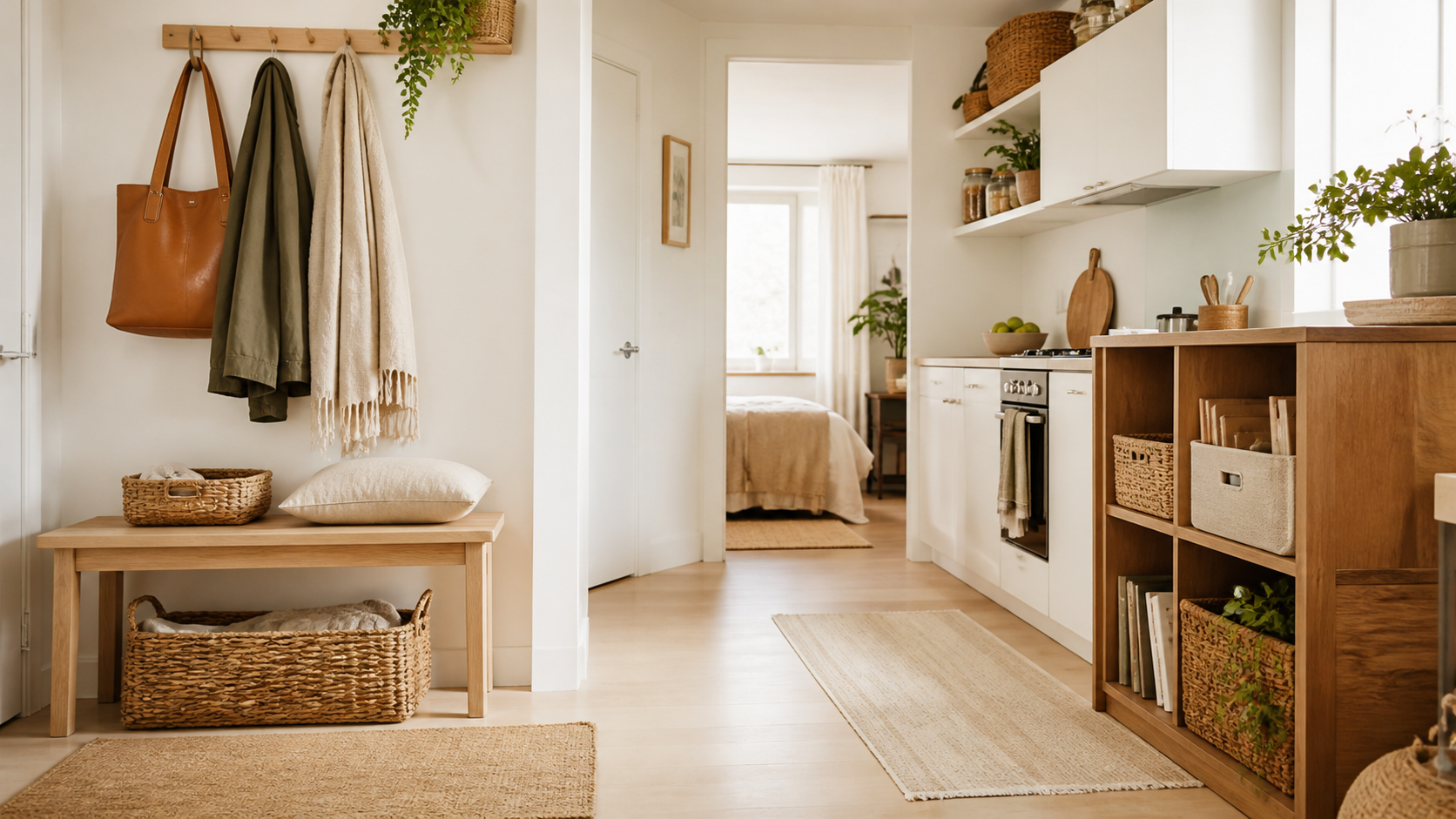
작은 집의 생활 공간 정리는 물건을 모두 꺼내는 일보다 자주 오가는 길을 줄이는 데서 시작할 수 있습니다. 현관에서 자주 쓰는 물건을 가까운 곳에 두고, 사용 장소와 보관 장소가 어긋난 물건을 다시 배치하면 짧은 시간에도 생활 동선을 점검하기 쉬워집니다. 이 글에서는 준비·분류·실행·점검의 4단계로 15분 정리 루틴을 진행합니다.
1. 정리 전에 생활 동선을 먼저 찾기
정리 대상은 방 전체가 아니라 한 구역으로 좁히는 것이 좋습니다. 작은 집에서는 물건의 양보다 이동 경로가 겹치는 지점이 불편을 크게 만들 수 있습니다. 현관, 주방 조리대, 책상, 침대 옆처럼 하루에 여러 번 사용하는 곳부터 살펴보세요.
15분 동안 관찰할 세 가지
반복 이동: 같은 물건을 찾거나 가져오려고 여러 번 움직이는 구간
임시 적치: 의자, 식탁, 바닥처럼 보관 장소가 아닌 곳에 물건이 쌓이는 지점
통로 방해: 문을 열거나 지나갈 때 손으로 옮겨야 하는 물건
관찰할 때는 ‘정리가 안 됐다’고 판단하기보다 ‘어떤 물건 때문에 움직임이 늘어나는가’를 적어보는 편이 유용합니다. 예를 들어 외출용 가방이 침실에 있어 현관과 침실을 오가거나, 자주 쓰는 조리도구가 깊은 수납장 안쪽에 있다면 배치가 생활 방식과 맞지 않을 수 있습니다.
구역을 하나만 고르는 기준
매일 사용하는 곳인가?
물건을 찾는 시간이 자주 생기는가?
물건을 임시로 내려놓는 일이 반복되는가?
정리 후 변화를 확인하기 쉬운가?
처음에는 현관이나 식탁처럼 범위가 분명한 곳을 고르는 편이 좋습니다. 집 전체를 한 번에 바꾸려 하면 분류와 이동이 길어져 실행을 이어가기 어려울 수 있습니다.
2. 물건을 네 가지 기준으로 분류하기
선택한 구역의 물건을 모두 다른 방으로 옮기기보다, 그 자리에서 네 가지 범주로 나눠보세요. 분류 기준은 물건의 소유 여부가 아니라 현재 공간과의 관계입니다.
이 자리에서 자주 쓰는 물건: 손이 쉽게 닿는 위치에 둘 대상
이 집에서 쓰지만 다른 장소가 맞는 물건: 사용 장소 가까이 이동할 대상
사용 빈도가 낮은 물건: 접근성이 낮아도 되는 보관 대상
역할이 불분명한 물건: 보류 상자나 임시 구역에 둘 대상
네 번째 범주를 두면 즉시 버리거나 기부할지 결정하기 어려운 물건 때문에 정리가 멈추는 일을 줄일 수 있습니다. 보류 물건은 별도 봉투나 상자에 담고, 상자 겉면에 확인 날짜와 물건의 용도를 간단히 적어두세요. 이 글에서는 물건의 처분 여부를 대신 결정하지 않습니다. 공간과 사용 습관에 맞춰 판단할 수 있도록 분류만 단순화합니다.
수납 기준을 정하는 질문
이 물건은 어디에서 가장 자주 사용하는가?
사용한 뒤 어느 장소에 두면 다음 사용이 편한가?
꺼내기 위해 다른 물건을 먼저 치워야 하는가?
함께 쓰는 물건이 서로 다른 장소에 흩어져 있는가?
수납 위치는 ‘빈 공간이 있는 곳’보다 ‘사용하는 곳에 가까운 곳’을 기준으로 정합니다. 다만 통로, 열리는 문 앞, 조리나 작업에 필요한 면은 물건을 두는 장소로 사용하지 않는 편이 안전하고 편리합니다.
3. 15분 실행표로 배치를 바꾸기
아래 실행표는 한 구역을 대상으로 하는 기본 루틴입니다. 타이머를 사용하되, 시간 안에 모든 결정을 끝내야 한다고 생각할 필요는 없습니다. 핵심은 한 구역에서 이동 동선과 물건의 위치를 함께 점검하는 것입니다.
시간
할 일
확인할 내용
0~2분
구역 선택과 관찰
가장 자주 오가는 경로와 방해 물건을 찾기
2~5분
네 가지 범주로 분류
자주 사용, 다른 장소, 낮은 빈도, 보류로 나누기
5~10분
자리 이동
사용 장소 가까이에 자주 쓰는 물건 배치하기
10~13분
통로와 표면 정리
바닥과 문 앞을 비우고 작업 면의 물건 수 줄이기
13~15분
짧은 점검
한 번의 이동으로 물건을 꺼내고 되돌릴 수 있는지 보기
구역별 배치 예시
현관: 외출할 때 함께 사용하는 물건은 이동 경로가 겹치지 않는 범위에서 현관 가까이에 묶습니다. 집 안쪽에 흩어진 가방이나 외출용 소품은 사용 순서를 떠올리며 위치를 조정합니다.
주방: 조리 중 반복해서 쓰는 도구와 식사 후 정리에 필요한 물건을 구분합니다. 자주 쓰는 물건을 깊은 곳에 넣어 꺼내기 위해 다른 물건을 옮기는 상황이 있다면 앞뒤 위치를 다시 검토합니다.
책상: 매일 사용하는 물건과 가끔 사용하는 자료를 나눕니다. 작업 면에는 현재 작업에 필요한 물건만 남기고, 나머지는 손이 닿되 작업을 방해하지 않는 위치로 이동합니다.
침대 주변: 잠들기 전과 일어난 뒤 사용하는 물건을 따로 살핍니다. 바닥에 내려놓는 물건이 반복된다면 침대 주변의 작은 범위 안에서 임시 적치가 생기는 이유를 확인하고 보관 위치를 조정합니다.
4. 정리 후 동선이 줄었는지 점검하기
정리의 기준은 보기 좋은 상태 하나로 정하지 않습니다. 실제로 물건을 사용할 때 손과 발의 이동이 줄었는지 확인해야 합니다. 배치 후 다음 세 가지 동작을 천천히 재현해보세요.
물건을 사용하는 장소까지 이동합니다.
물건을 꺼내고 사용한 뒤 원래 위치로 되돌립니다.
다음 행동에 필요한 물건을 찾는 경로를 확인합니다.
이 과정에서 같은 물건을 두 번 옮기거나, 수납장 문과 서랍을 연속으로 열어야 한다면 배치를 조금 더 조정할 수 있습니다. 반대로 통로가 넓어지고 자주 쓰는 물건이 손에 닿는다면 그 구역의 15분 루틴은 일단 마친 것으로 기록합니다.
복사 가능한 15분 체크리스트
[ ] 오늘 정리할 구역을 한 곳으로 정했다.
[ ] 반복해서 오가는 경로를 적었다.
[ ] 임시로 물건을 내려놓는 지점을 찾았다.
[ ] 물건을 자주 사용, 다른 장소, 낮은 빈도, 보류로 나눴다.
[ ] 자주 쓰는 물건을 사용 장소 가까이 옮겼다.
[ ] 통로와 문 앞을 확인했다.
[ ] 작업 면에 남은 물건의 역할을 확인했다.
[ ] 물건을 꺼내고 되돌리는 동작을 재현했다.
[ ] 추가 조정이 필요한 위치를 한 곳만 기록했다.
5. 정리 루틴을 이어가기 위한 기록법
생활 공간 정리는 한 번의 대규모 작업보다 짧은 점검을 반복하는 방식으로 관리하기 쉽습니다. 다만 모든 구역을 매일 점검할 필요는 없습니다. 불편이 다시 생긴 장소만 기록해 다음 15분 루틴의 대상으로 삼으세요.
기록은 다음처럼 간단히 남길 수 있습니다.
구역: 주방 조리대 불편: 자주 쓰는 도구를 찾을 때 앞쪽 물건을 옮김 조정: 사용 빈도가 낮은 물건을 다른 위치로 이동 점검: 조리 순서에 맞춰 꺼내고 되돌리기
새로운 수납용품을 마련하기 전에 현재 위치를 바꾸는 것만으로 불편이 줄어드는지 먼저 확인해보세요. 수납용품이 필요하다고 판단하더라도 크기나 개수보다 보관할 물건의 종류, 꺼내는 빈도, 통로와 문이 열리는 범위를 먼저 정리하는 편이 좋습니다.
결론: 물건보다 이동 경로를 먼저 정리하기
작은 집의 생활 공간 정리는 집 전체를 비우는 프로젝트가 아니라, 자주 쓰는 물건과 움직이는 경로를 맞추는 작업으로 시작할 수 있습니다. 한 구역을 고르고, 물건을 네 가지 범주로 나눈 뒤, 15분 실행표에 따라 배치를 바꾸고, 실제 사용 동작으로 점검하세요. 정리 결과를 오래 유지하려면 보기 좋은 배치보다 사용 후 돌아가기 쉬운 위치인지 확인하는 것이 중요합니다.
FAQ
Q1. 물건이 많은데 15분 안에 정리가 가능한가요?
15분 안에 집 전체를 정리하는 것이 아니라 한 구역의 문제를 확인하고 다음 행동을 정하는 방식입니다. 물건이 많다면 현관 바닥, 책상 표면처럼 범위를 더 좁혀 시작하세요. 보류 물건은 별도로 두어 결정이 늦어져도 전체 루틴이 멈추지 않게 할 수 있습니다.
Q2. 자주 쓰는 물건은 모두 밖에 꺼내두는 것이 좋은가요?
그렇지는 않습니다. 꺼내두었을 때 작업 면이나 통로를 방해한다면 가까운 서랍이나 수납 공간이 더 적합할 수 있습니다. 기준은 노출 여부가 아니라 사용하는 장소에서 꺼내고 되돌리기 쉬운지입니다.
Q3. 버릴 물건을 정하지 못하면 어떻게 하나요?
처분 결정을 잠시 미뤄도 됩니다. 보류 상자에 넣고 확인 날짜와 물건의 용도를 적어두면 정리 작업과 처분 판단을 분리할 수 있습니다. 이후 실제 사용 여부와 보관 공간을 함께 살펴보세요.
Q4. 동선이 줄었는지 무엇으로 확인하나요?
물건을 사용하는 과정을 한 번 재현해보세요. 같은 물건을 여러 번 옮기거나, 다른 물건을 치워야 꺼낼 수 있거나, 사용 후 되돌릴 장소가 불분명하면 배치를 다시 검토할 수 있습니다.
Diorstar Mini Bucket Bag brings a distinctive Dior perspective to the bucket-bag silhouette, balancing a compact profile with considered everyday versatility. Presented in 928 BleuMulticolor, it combines cotton, calfskin and technical fabric in a design that feels expressive without losing its polished character.
The proportions are deliberately compact: 13 cm wide, 16 cm high and 10 cm deep. Inside, the bag is organised around one main compartment and one interior slip pocket, while a magnetic closure keeps the form visually clean. A leather tag bearing the Christian Dior Paris signature and star adds a recognisable finishing detail.
For changing moments throughout the day, the adjustable and removable leather shoulder strap gives the bag more than one styling direction. Carry it as a neat shoulder accessory, or use its compact presence as a focused accent within a more considered outfit. The included dust bag also provides a dedicated way to store the piece when it is not in use.
Design details that shape its character
The appeal of Diorstar Mini Bucket Bag lies in the balance between its tactile composition and its practical layout. The main exterior composition is listed as 50% cotton, 35% calfskin, 10% polyester and 5% acrylic. The combination gives the design a layered visual identity, while the BleuMulticolor colourway offers room to coordinate with both quiet neutrals and more colourful wardrobe choices.
Compact bucket-bag proportions: the 13 cm by 16 cm by 10 cm format creates a small, defined silhouette that can sit comfortably within a streamlined look.
Distinctive material mix: cotton, calfskin and technical fabric provide contrast in the overall design, with a lining composed of cotton, linen and technical fabric.
Simple interior organisation: one compartment and one interior slip pocket keep the structure straightforward for selected essentials.
Magnetic closure: the closure maintains the clean appearance of the bag while providing a clear opening and closing detail.
Signature leather tag: the Christian Dior Paris signature and star bring a focused heritage note to the exterior.
Adaptable strap: the leather shoulder strap is both adjustable and removable, allowing the silhouette to be styled according to the occasion.
Thoughtful storage accessory: a dust bag is included with the piece.
Made in Italy, the bag presents itself as a compact accessory with a clear design vocabulary: a bucket shape, a graphic colour expression and carefully placed Dior signatures.
How to style a compact statement accessory
Its strongest styling quality is flexibility. The BleuMulticolor colourway can become the focal point of a pared-back outfit, or it can join a more expressive combination when the rest of the look shares a similar spirit. Consider pairing it with a neutral coat, tailored separates or a simple knit so that the bag’s colour and material contrast remain visible.
For a relaxed daytime ensemble, the adjustable shoulder strap supports an easy cross-body or shoulder-led styling approach, depending on the desired line of the outfit. Denim, a clean shirt and understated footwear allow the bag to add polish without making the look feel overly formal. For a more refined daytime setting, coordinate it with tonal blue pieces or soft monochrome layers, using the leather tag as a subtle signature detail.
The removable strap also creates another direction. Without it, the bag can be treated as a more sculptural accessory when your chosen styling allows a hand-carried format. This is particularly effective with a simple silhouette where the compact bucket shape can stand out clearly. Because the dimensions are modest, it is best approached as a curated accessory rather than a large carry-all.
For evening or occasion dressing, let the bag provide a touch of colour against a dark or neutral base. A minimal dress, sleek tailoring or a refined skirt-and-knit combination can give the multicolour finish enough space to read as intentional. Keep surrounding accessories selective if you want the Christian Dior Paris signature and star to remain the visual punctuation.
When not in use, the included dust bag offers a dedicated storage option. Keeping the bag with its supplied accessory helps maintain an organised wardrobe presentation and makes it easier to identify when planning future outfits.
What to consider before choosing it
Start with the proportions. At 13 cm wide, 16 cm high and 10 cm deep, Diorstar Mini Bucket Bag is suited to a compact carry. Review what you typically take with you and consider whether one main compartment with one interior slip pocket reflects your preferred level of organisation. The format is most appropriate when you want to carry selected essentials rather than a broad daily load.
Next, consider colour coordination. 928 BleuMulticolor is a characterful choice, so it can be used in two ways: as the central colour note in a neutral wardrobe, or as part of a deliberate colour story with complementary blues and varied tones. If your existing accessories are mostly understated, the bag can add visual interest without requiring a complete change of style.
Pay attention to the strap configuration as well. The adjustable and removable leather shoulder strap supports several ways of wearing the bag, but the ideal arrangement depends on how you prefer your accessories to sit within an outfit. Think about whether you value a hands-free shoulder option, a more compact appearance, or the ability to alternate between the two.
Finally, review the composition and details carefully. The piece combines cotton, calfskin and technical fabric externally, with a cotton, linen and technical fabric lining, a magnetic closure and a leather signature tag. These features define its look and should align with the aesthetic you want from a distinctive mini bucket bag.
Frequently asked questions
What is the colour of the bag?
The listed colour is 928 BleuMulticolor.
What are its measurements?
The item measurements are 13 cm in width, 16 cm in height and 10 cm in depth.
How is the interior organised?
It has one compartment and one interior slip pocket, with a magnetic closure.
Can the shoulder strap be adjusted or removed?
Yes. The leather shoulder strap is adjustable and removable.
What materials are listed?
The main composition is cotton, calfskin and technical fabric. The listed material percentages are 50% cotton, 35% calfskin, 10% polyester and 5% acrylic. The lining is described as cotton, linen and technical fabric.
Is a storage accessory included?
Yes. A dust bag is included.
Where was it manufactured?
The country of manufacture is Italy.
Please verify the current product details, measurements, composition, condition and purchase information on the product page before purchase.
CHLOE Chloe Spin medium tote bag은 출근부터 주말 외출까지 폭넓게 활용하기 좋은 미디엄 토트백입니다. 클레이 브라운 컬러의 그레인드 가죽과 골드 톤 디테일이 조화를 이루어 차분하면서도 존재감 있는 인상을 전합니다.
더블 핸들과 가죽 손잡이를 활용해 손에 들거나 숄더백처럼 연출할 수 있으며, 폭 27cm, 높이 30cm, 깊이 14cm의 여유 있는 내부 공간을 갖췄습니다. 전면 골드 레터 로고와 작은 체인에 달린 골드 톤 참 장식은 기본적인 데일리 룩에 섬세한 포인트가 되어줍니다.
가방 하나로 스타일의 방향을 정하고 싶다면 컬러, 크기, 수납 방식, 옷과의 조화를 함께 살펴보는 것이 좋습니다. 이 가이드는 제공된 제품 정보를 바탕으로 CHLOE Chloe Spin medium tote bag을 선택하고 활용하는 기준을 정리했습니다.
디자인과 사양에서 확인할 포인트
그레인드 가죽의 표정 주 소재와 안감은 모두 100% 소가죽으로 안내되어 있습니다. 표면의 그레인드 텍스처는 매끈한 단색 가방과 다른 시각적 깊이를 만들며, 클레이 브라운 컬러와 어우러져 계절에 구애받지 않는 차분한 분위기를 연출합니다.
균형 잡힌 미디엄 사이즈: 폭 27cm, 높이 30cm, 깊이 14cm로 구성되어 일상적인 소지품을 담기 좋은 비율입니다.
여러 방식의 휴대: 더블 핸들과 가죽 손잡이가 있어 손에 들 수 있고, 제품 설명에 숄더백 활용도 함께 기재되어 있습니다.
정돈된 장식: 전면 골드 레터 로고, 골드 톤 참, 작은 체인 디테일이 과도하지 않은 포인트를 더합니다.
메이드 인 이탈리아: 제조 국가는 이탈리아로 안내되어 있습니다.
가방의 존재감을 결정하는 요소는 크기만이 아닙니다. 부드러운 가죽의 질감, 브라운 계열의 색감, 금빛 장식의 대비가 함께 작용하므로 옷장의 색상과 주로 사용하는 휴대 방식을 먼저 떠올려보면 선택이 쉬워집니다.
일상 속 스타일링과 활용 아이디어
출근과 오피스 룩 차콜, 네이비, 베이지처럼 정돈된 색상의 재킷이나 팬츠에 매치하면 클레이 브라운 컬러가 자연스러운 온기를 더합니다. 블랙 착장에는 골드 톤 장식이 은은한 포인트가 되고, 브라운 계열 의상과 함께할 때는 가방의 색감을 중심으로 톤을 맞출 수 있습니다.
데일리 캐주얼 데님과 니트, 셔츠처럼 기본 아이템을 조합한 룩에 들면 그레인드 가죽과 전면 로고가 스타일을 깔끔하게 마무리합니다. 장식이 선명한 편이므로 액세서리는 골드 톤 한두 가지로 맞추면 가방과의 연결감이 좋아집니다.
주말 외출과 가벼운 일정 더블 핸들을 손에 들거나 숄더백처럼 활용해 이동 상황에 맞춰 연출해보세요. 여유 있는 내부 공간은 일상용 가방을 찾는 분에게 장점이 될 수 있지만, 실제로 넣을 물건의 크기와 양은 구매 전 치수를 기준으로 확인하는 것이 좋습니다.
코디네이션 기준
가방의 클레이 브라운을 의상 전체의 보조 색상으로 두고, 상의나 신발 중 한 곳에 유사한 브라운 계열을 배치합니다.
골드 톤 참과 로고가 보이도록 상의나 아우터의 앞면을 단순하게 구성합니다.
가방 자체의 질감이 돋보이도록 패턴이 많은 아이템보다 데님, 니트, 셔츠 같은 기본 소재와 조합합니다.
구매 전 체크하면 좋은 기준
먼저 평소 가방을 어떻게 드는지 생각해보세요. 손에 드는 스타일을 선호한다면 더블 핸들의 형태와 가죽 손잡이가 잘 맞을 수 있고, 양손을 자유롭게 쓰고 싶다면 숄더백 활용이 가능한지 제품 페이지의 안내와 이미지를 함께 확인하는 것이 좋습니다.
다음으로 수납 기준을 세워보세요. 폭 27cm, 높이 30cm, 깊이 14cm라는 외부 치수를 확인한 뒤 평소 휴대하는 파우치, 지갑, 노트나 태블릿 등의 크기와 비교해야 합니다. 내부에 별도의 구획이 있다는 정보는 제공되지 않았으므로, 수납 구조가 중요하다면 상세 이미지를 통해 직접 확인하세요.
색상 선택에서는 클레이 브라운이 옷장에 있는 색상과 잘 연결되는지 살펴보면 됩니다. 블랙과 네이비에는 대비감 있는 포인트로, 베이지와 아이보리에는 부드러운 톤온톤으로 활용할 수 있습니다. 골드 톤 장식이 포함되어 있으므로 평소 착용하는 주얼리나 하드웨어 색상과 맞추는 것도 좋은 기준입니다.
가죽 제품은 사용 환경에 따라 표면의 상태가 달라질 수 있습니다. 보관할 때는 형태가 눌리지 않도록 하고, 물기나 마찰이 우려되는 환경은 피하는 편이 좋습니다. 구체적인 관리 방법은 소재 특성에 맞춰 제품 페이지의 안내와 판매처 정보를 확인하세요.
자주 묻는 질문
Q. 어떤 색상인가요? A. 제품 정보상 색상은 클레이 브라운입니다.
Q. 어떤 소재로 제작되었나요? A. 주 소재와 안감 모두 100% 소가죽으로 안내되어 있습니다.
Q. 어떻게 들 수 있나요? A. 더블 핸들과 가죽 손잡이를 이용해 휴대할 수 있으며, 제품 설명에는 숄더백 활용도 기재되어 있습니다.
Q. 크기는 어떻게 되나요? A. 폭 27cm, 높이 30cm, 깊이 14cm입니다. 실제 수납 가능 여부는 소지품 크기와 내부 형태를 함께 확인하세요.
Q. 제조 국가는 어디인가요? A. 이탈리아로 안내되어 있습니다.
제품의 소재, 치수, 색상, 구성 및 구매 관련 정보는 변경될 수 있으므로 구매 전 THANKS KAI의 상품 페이지에서 현재 상세 정보와 구매 조건을 반드시 확인해 주세요.
If you want to put screens away in the evening but find that the transition feels awkward, try a 15-minute self-care routine built around four steps: prepare, sort, act, and review. The goal is not to create a flawless night or remove every digital distraction. It is to give your evening a clear handoff from screen time to rest, journaling, planning, or another low-pressure activity.
This routine is designed for adults with full schedules. You can use it after work, before bed, or at another point when you want to stop scrolling, streaming, or checking messages. The routine also works when you have only a small amount of energy because each step has a narrow purpose.
The four-part structure
A screen-free transition can become easier to repeat when you separate it into four decisions:
Prepare: Set up the place and time for putting screens away.
Sort: Decide which digital items need attention and which can wait.
Act: Put devices away and choose one offline activity.
Review: Note what helped and adjust the routine for another evening.
Keeping these decisions separate prevents one small task, such as replying to a message, from expanding into an unplanned hour online. It also leaves room for real life. If an important message or practical task needs attention, you can record it for later instead of pretending it does not exist.
Step 1: Prepare the transition
Suggested time: 3 minutes
Preparation gives your evening routine a visible starting point. Choose a simple signal that marks the beginning of the 15 minutes. This could be a clock time, the end of a show, the completion of a work task, or the moment you finish a meal.
Before the transition begins, decide where your main device will go. A shelf, drawer, desk, or charging area can work. The location matters less than having a consistent place that is not immediately in your hand.
Choose the starting signal for tonight.
Pick a storage or charging location for your device.
Place one offline option nearby, such as a notebook, book, sketchpad, or prepared drink.
Decide whether you are putting away one device or several.
Make the setup easy enough to repeat. If placing a phone across the room feels unrealistic, begin with a nearby surface. The routine can change as you learn what fits your space and schedule.
Step 2: Sort open loops
Suggested time: 4 minutes
Many people keep checking a screen because they are holding several unfinished items in mind. Use this short step to sort those items instead of solving all of them.
On paper or in a notes area that you will close afterward, make three brief groups:
Group
What belongs here
Next action
Needs attention
A time-sensitive message or practical task
Write when or how you will address it
Can wait
Items that do not need a decision tonight
Record a short reminder
Not needed
Scrolling, browsing, or repeated checking
Close it and leave it unscheduled
Keep each note short. “Reply to Sam tomorrow” is more useful for this purpose than writing a full explanation. The point is to create a landing place for unfinished thoughts, not to build a second task list that demands more attention.
If you need to check one item before putting your device away, give that check a defined boundary. For example, you might read one message, write the next action, and close the app. Avoid turning the sorting step into general browsing.
Step 3: Act on one offline choice
Suggested time: 5 minutes
Now put the screen away and move directly into one small offline activity. A clear choice reduces the empty gap in which you may automatically reach for the device again.
Choose an activity based on the kind of evening you want:
For reflection: Write three lines about what is on your mind.
For planning: List one personal priority for tomorrow.
For a slower transition: Make a drink, arrange clothing for the next day, or tidy one small surface.
For creative time: Read a few pages, sketch, write freely, or work on a small hobby.
For a pause: Sit quietly and notice the room without adding another task.
Journaling can be especially useful when your thoughts feel scattered, but it does not need to follow a formal method. Try one of these prompts:
What can I set down for tonight?
What would make tomorrow a little easier?
What kind of rest or personal time would fit my energy right now?
What is one thing I do not need to decide today?
Stop when the five-minute activity ends or continue if it feels natural. The value of the routine comes from creating a deliberate transition, not from completing a particular amount of journaling or reading.
Step 4: Review without judging the evening
Suggested time: 3 minutes
Use the final minutes to review the system rather than evaluate yourself. A useful review asks whether the routine was easy to start, whether the storage location worked, and whether the chosen offline activity matched your energy.
Write or consider three short answers:
What helped me put the screen away?
What created friction?
What small change could I try next time?
Possible adjustments include moving the device location, choosing a shorter activity, preparing the notebook earlier, or changing the starting signal. If the routine did not happen, treat that as information about the setup. You can restart with one part, such as sorting open loops or placing the device in its storage location.
A copyable 15-minute checklist
Save or copy this checklist into a notebook. Adapt the wording so it sounds natural to you.
Time
Action
Done
0–3 minutes
Choose the starting signal, device location, and offline option.
□
3–7 minutes
Sort open loops into needs attention, can wait, and not needed.
□
7–12 minutes
Put the screen away and do one offline activity.
□
12–15 minutes
Review what helped, what created friction, and one adjustment.
□
How to make the routine easier to keep
Use a minimum version
On a busy evening, use a three-part version: record any urgent open loop, place the device away from your immediate reach, and choose one offline action. This keeps the structure available without requiring a full 15-minute block.
Separate practical tasks from personal time
Putting a device away may reveal tasks that still need attention. Write those tasks down with a next step and a possible time. Then return to the evening activity. This approach gives practical responsibilities a place without allowing them to occupy the whole transition.
Keep the choice list small
Too many options can make a self-care routine feel like another decision-heavy project. Prepare two or three offline choices that suit different energy levels. For example, you might keep one reflective option, one practical option, and one restful option.
Review the environment
If the screen remains the easiest option, change the surroundings rather than relying only on motivation. Keep the notebook visible, place reading material within reach, or move the charger to the location you selected. Small environmental changes can support the behavior you are trying to practice.
FAQ
What if I need my phone for an important matter?
Use the sort step to identify the specific matter and write the next action. If you need to remain available, choose a limited arrangement that fits your circumstances, such as keeping the device audible for a defined reason while avoiding unrelated apps. The routine is meant to support practical needs, not deny them.
Does this routine require journaling?
No. Journaling is one possible offline activity. You can replace it with reading, preparing for tomorrow, a small creative activity, or a quiet pause.
What should I do if I start scrolling again?
Notice where the transition broke down and return to the smallest next step. You might close the current app, write down the open loop that triggered the check, and place the device in its chosen location. A reset can be part of the routine.
When should I use the 15-minute routine?
Choose a transition that already exists in your day, such as finishing work, eating dinner, or beginning your bedtime preparation. A consistent cue can make the routine easier to remember, but you can also use it whenever you want to create a screen-free interval.
Conclusion
A useful evening self-care routine does not need to fill the entire night. With 15 minutes, you can prepare the transition, sort unfinished digital items, act on one offline choice, and review what to change next time. The aim is a calmer handoff from screens to personal time, shaped around your actual energy and responsibilities. Start with the smallest version that feels workable, then let the routine develop through observation rather than pressure.