Tag: n8n-managed

n8n 자동화가 관리하는 글

  • A Refined Guide to Styling Lace Mules

    Black Manolo Blahnik Ballerimu mules with floral lace, bow detailing, pointed toe, and flat heel

    Manolo Blahnik Ballerimu mules offer a considered take on the slip-on mule, balancing a pointed toe and flat heel with the delicacy of floral lace and a bow detail. In black, the design has an inherently versatile presence: elegant enough to anchor a dressed-up look, yet composed enough to work within a restrained everyday wardrobe.

    Made in Italy, this pair is defined by a fabric outer, calf leather lining, and calf leather sole. The result is a design to approach as a refined finishing piece rather than a background basic. Its pointed profile brings clarity to relaxed outfits, while the bow introduces a softer note that can be echoed through colour, texture, or proportion elsewhere in the look.

    Whether styled with tailored separates, fluid evening pieces, or carefully edited daily layers, these mules invite a polished approach to dressing. The following guide focuses on how to select, coordinate, and care for them using the details available for this design.

    Design details that define the pair

    The appeal of Manolo Blahnik Ballerimu mules lies in the relationship between its structured silhouette and ornamental surface. Each listed detail contributes to a distinctive visual balance:

    • Black colour: A deep, adaptable base that can be paired with tonal dressing, crisp contrast, or rich neutrals.
    • Floral lace: Adds pattern and transparency to the upper, creating visual interest without relying on a bright colour.
    • Bow detailing: Gives the pointed front a graceful focal point and brings a feminine accent to tailored or minimal outfits.
    • Pointed toe: Creates a streamlined outline that can sharpen wide-leg trousers, cropped tailoring, or long skirts.
    • Flat heel: Keeps the profile visually clean and understated, making the pair suitable for styling scenarios where ornament should remain the focus.
    • Slip-on style: Supports an effortless dressing rhythm and makes the mules easy to consider as a finishing layer for changing outfits.

    The construction details are equally important when assessing the design. The outer is listed as fabric, while the lining and sole are calf leather. These materials should be treated as part of the selection conversation, particularly if you are looking for a lace-led shoe with a leather interior and sole.

    How to style them across the day

    For a polished daytime look, place the mules with sharply cut trousers and a simple top. Black trousers create a tonal line that allows the floral lace and bow to come forward; alternatively, lighter tailoring can frame the footwear as a deliberate contrast. Keep accessories edited so the pointed toe remains visible and the shoe reads as the principal detail.

    A relaxed daily outfit can benefit from the same contrast. Try the pair with straight or gently relaxed denim, then add a neat shirt, fine knit, or understated jacket. The flat heel and slip-on shape keep the styling visually uncomplicated, while the lace prevents the outfit from feeling overly plain. When wearing cropped hems, allow enough space around the ankle to show the mule’s outline clearly.

    For evening dressing, consider the mules with a fluid black dress or a skirt and tailored top. Repeating black through the outfit will make the silhouette feel composed, while a different texture—such as smooth tailoring or a softly draped fabric—can distinguish the lace upper. The bow can be echoed subtly through a ribbon detail, a compact handbag, or a delicate hair accessory without creating a literal matching set.

    They can also temper stronger pieces. If your outfit includes a vivid colour, expressive print, or statement jacket, the black pointed mule provides a controlled visual anchor. Conversely, with a quiet neutral palette, the floral lace supplies a small but considered point of interest. Across each scenario, proportion matters: avoid allowing a long hem to conceal the footwear entirely, and let the front of the shoe remain part of the outfit’s composition.

    What to consider before choosing

    Begin with the role you want the shoes to play. If you are seeking a pair that can move between tailored daytime dressing and more formal combinations, the black colour, pointed toe, and flat heel form a strong styling foundation. If your wardrobe is already rich in ornament, the lace and bow may serve as a focused accent. If your clothes are mostly minimal, those same details can introduce dimension without changing your overall palette.

    Consider the fabrics you commonly wear. Floral lace works naturally with clean tailoring, denim, knitwear, and smooth evening fabrics, but the most successful combinations will depend on the texture and proportion of your existing pieces. Review your trouser lengths and skirt shapes as well: the pointed front is best appreciated when it is not hidden by excess fabric.

    Material preferences should also be checked carefully. The product information lists a fabric outer, calf leather lining, and calf leather sole, as well as Italian manufacture. Those details may be useful when comparing the pair with other mules, especially if the composition of the upper and interior matters to your wardrobe choices.

    Finally, use the product page to confirm current information before purchasing. Check the available product details and purchase information directly, and consider how the slip-on construction fits your preferred styling and everyday routine.

    Frequently asked questions

    What type of shoe is this?
    It is a mule with a slip-on style, pointed toe, and flat heel.

    What colour is the design?
    The product is listed in black.

    Which details make the pair distinctive?
    Floral lace and bow detailing provide the principal decorative accents, while the pointed toe gives the silhouette a sharper finish.

    What materials are listed?
    The outer is fabric 100%, the lining is calf leather 100%, and the sole is calf leather 100%.

    Where is it made?
    The product information states that it is made in Italy.

    How should I coordinate it?
    Use it with tailored trousers, cropped denim, skirts, or dresses. Keep the rest of the outfit considered and allow the pointed, lace-trimmed front to remain visible.

    Please verify current product details and purchase information on the product page before purchase.

    View Manolo Blahnik Ballerimu mules at THANKS KAI and explore how this lace mule could complement your wardrobe.

    Product: Manolo Blahnik Ballerimu mules
  • A 15-Minute Kitchen Organization Routine for Choosing Weekly Meal Ideas

    A 15-Minute Kitchen Organization Routine for Choosing Weekly Meal Ideas

    작성자: Kai Life Editorial Team

    If weekly meal planning feels scattered, use a short kitchen organization routine built around four steps: prepare your notes, sort the ideas, act on a small selection, and review what remains. In about 15 minutes, you can turn loose meal ideas into a practical list for the week without creating a detailed cooking schedule.

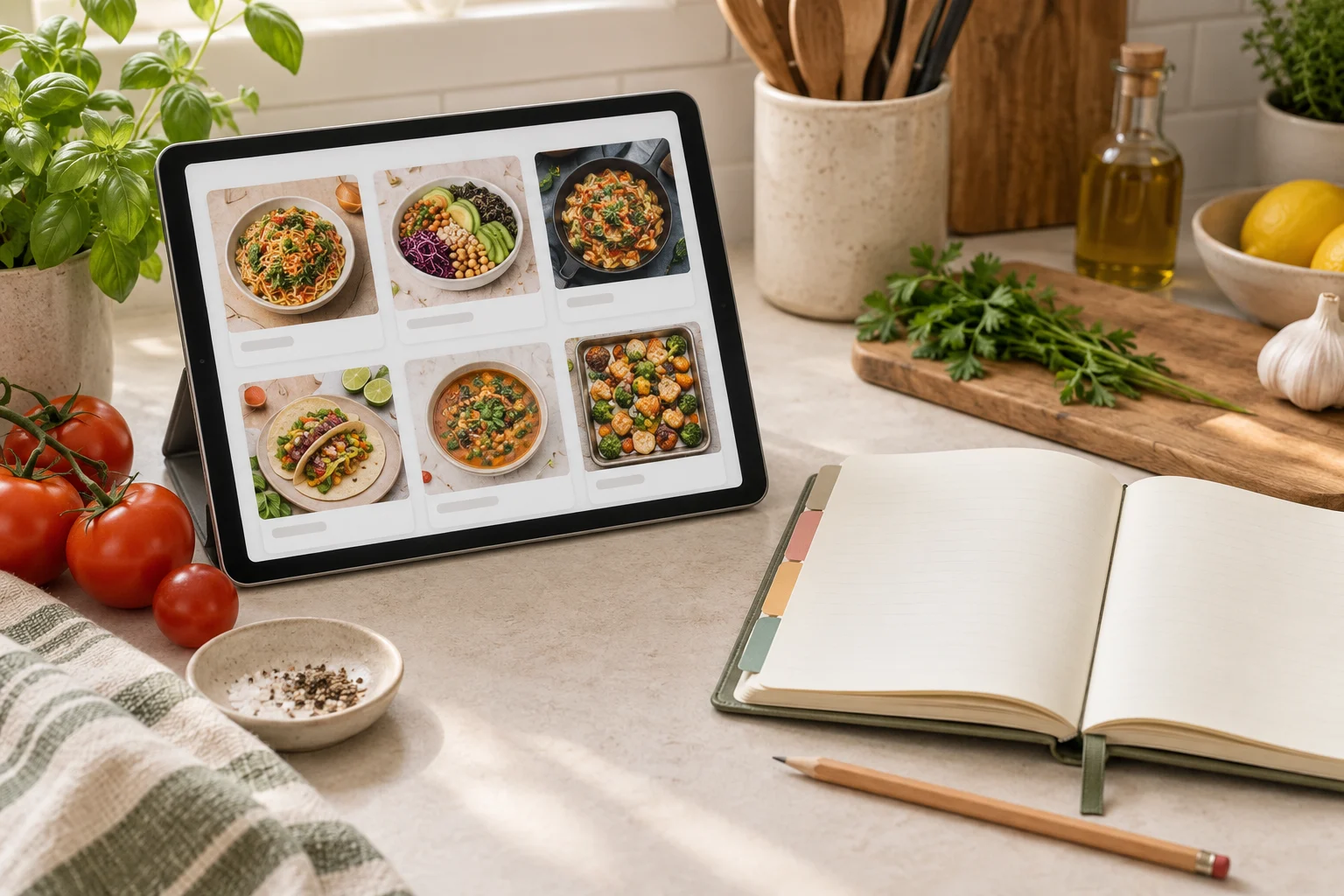
    Tablet recipe cards beside a notebook for organizing recipes and meal ideas

    Why a Short Meal-Note Routine Helps

    Meal ideas often live in several places: a phone note, a saved recipe, a paper list, or a thought that comes to mind while looking through the kitchen. The problem is not necessarily a lack of ideas. It is the effort required to decide what to do with them.

    A short routine gives each note a simple next step. An idea can become a meal to consider, an item to add to a shopping list, a note to keep for later, or something to remove. This makes kitchen organization less about arranging objects and more about reducing small decisions.

    The aim is not to create a strict menu. It is to make the next few food-related decisions easier to see.

    The Four-Part Framework

    1. Prepare

    Set up one place for the current session. This can be a notebook, a single digital note, or a document that contains three sections:

    • Meal ideas: dishes or meal combinations you may want to make.
    • Shopping list: ingredients or household items to check before buying.
    • Review later: ideas that are not useful for the current week but may be worth keeping.

    Keep the setup simple. A system with too many folders, labels, or planning fields can turn a quick routine into another task to maintain.

    2. Sort

    Look at the meal ideas without trying to plan every day. Sort each idea by its current usefulness. You can use four labels:

    • Now: an idea that fits the coming week.
    • Maybe: an idea that could work but needs another decision.
    • Later: an idea to save without acting on it today.
    • Remove: a note that no longer helps or is too vague to use.

    Sorting is useful because it separates choosing from collecting. You do not need to judge every idea in detail. You only need to decide which notes deserve attention now.

    3. Act

    Choose a small group of meal ideas for the coming period. The group can be as short as two or three ideas if that is enough for your schedule. For each selected idea, write down the ingredients that need checking.

    Use broad notes when exact quantities are not yet known. For example, write “vegetables for soup” or “ingredients for a simple rice dish” rather than filling the list with details that may change. The goal at this stage is to support a shopping decision, not to write a complete recipe.

    Then compare the list with what is already available. Cross out anything already on hand, combine duplicate items, and move uncertain items to a small “check first” section. This keeps the shopping list connected to kitchen organization instead of treating it as a separate document.

    4. Review

    Use the final few minutes to review the plan. Ask three practical questions:

    • Does each selected meal idea have a clear next action?
    • Are any shopping-list items duplicates or unclear?
    • Which unused notes should be saved, rewritten, or removed?

    A review prevents the note from becoming another collection of unfinished decisions. It also creates a natural starting point for the next session.

    A 15-Minute Action Plan

    The following schedule is a flexible guide. Adjust the timing if your notes are especially short or crowded.

    Time Action Output
    Minutes 0–2 Open one note or notebook and remove unrelated items. A focused planning space
    Minutes 2–5 Collect meal ideas from your current notes. A short list of possible ideas
    Minutes 5–8 Sort ideas into now, maybe, later, or remove. A smaller group for consideration
    Minutes 8–12 Select a few ideas and draft the shopping list. A working meal list and shopping list
    Minutes 12–15 Check what is already available and clarify the remaining notes. A cleaner plan for the week

    This schedule is intentionally limited. If a meal idea requires extensive research, move it to “later” rather than allowing one item to use the entire session.

    How to Write Better Meal Notes

    A meal note should be easy to understand when you see it again. Short notes can work well when they answer one of these questions:

    • What kind of meal is this?
    • What is the main ingredient or combination?
    • Why is this idea useful for the current week?
    • What needs to be checked before buying anything?

    Compare a vague note such as “try something different” with a more useful note such as “simple noodle meal with vegetables.” The second note does not prescribe a recipe, but it gives the next planning step more shape.

    You can also add a small context word to an idea, such as “quick,” “use pantry items,” “leftover option,” or “weekend project.” These labels help you sort ideas according to your available time without creating a complicated scoring system.

    Connecting the Shopping List to Kitchen Organization

    A shopping list becomes easier to use when it reflects how you check the kitchen. Instead of writing items in the order they occur to you, group them in a way that supports your routine. For example, you could use sections such as:

    • Check at home
    • Fresh items
    • Dry goods
    • Refrigerated items
    • Household items

    The categories can be different. The important point is to choose labels that help you notice what is missing and what is already available.

    Before finalizing the list, look for three common sources of clutter:

    • Duplicates: the same ingredient appears more than once.
    • Unclear descriptions: a note does not identify what decision is needed.
    • Uncommitted ideas: an ingredient is listed even though no meal idea uses it.

    Removing these items can make the list shorter and easier to review.

    Copyable Weekly Meal Notes Template

    Copy the following structure into a note and adjust the headings to fit your routine.

    WEEKLY MEAL NOTES
    
    Ideas to consider:
    - 
    - 
    - 
    
    Selected ideas:
    - 
    - 
    - 
    
    Check at home:
    - 
    - 
    
    Shopping list:
    - Fresh items:
    - Dry goods:
    - Refrigerated items:
    - Other:
    
    Review later:
    - 
    
    Next review date or reminder:
    - 

    Leaving blank lines is useful. It keeps the template ready for the next session without requiring you to fill every field.

    Quick Checklist

    • Prepare: Did I collect the meal notes in one place?
    • Sort: Did I separate current ideas from ideas for later?
    • Act: Did I select only the ideas I can reasonably consider now?
    • Check: Did I compare the shopping list with what is already available?
    • Clarify: Does each remaining item have a clear meaning?
    • Review: Did I save, rewrite, or remove unused notes?

    Common Problems and Simple Adjustments

    Too many saved ideas

    Create a “later” section and move older ideas there. Keeping them separate from current choices reduces visual clutter.

    The shopping list keeps growing

    Return to the selected meal ideas and remove items that do not support one of them. An item can remain in a separate idea note if it may be useful later.

    The routine takes longer than 15 minutes

    Reduce the scope of the session. Work only with the meal notes already collected instead of searching for new recipes or reorganizing every kitchen note at once.

    The notes are too vague

    Add one detail that gives the idea direction: a main ingredient, a meal type, a time context, or a reason to consider it.

    FAQ

    Do I need to plan meals for every day?

    No. This routine is designed to help you choose a manageable set of ideas. You can decide how many meal notes are useful for your schedule.

    Should I use paper or a digital note?

    Either can work. Choose the format that makes it easy for you to capture, sort, and review information without adding extra setup.

    What should I do with recipes I want to try later?

    Move them to the “review later” section and add a short description if the original note is unclear. Keeping them separate protects the current shopping list from unrelated ideas.

    How often should I use the routine?

    Use it when your meal notes or shopping list begin to feel difficult to review. A repeatable trigger, such as a regular planning moment, can make the routine easier to remember.

    Conclusion

    A useful kitchen organization system does not need a large database or a detailed weekly schedule. A focused 15-minute routine can help you prepare your notes, sort meal ideas, act on a small selection, and review the result. By connecting meal notes with the shopping list and the items already in your kitchen, you create one clearer place for the next decision.


  • 투톤 로고 볼캡 스타일링과 선택 가이드

    투톤 배색과 자수 로고가 돋보이는 Miu Drill twotone logo baseball cap

    Miu Drill twotone logo baseball cap은 두 가지 색상 조합과 자수 로고가 돋보이는 베이스볼 캡입니다. 단순한 캐주얼 액세서리를 넘어 데일리룩의 인상을 정리해 주는 아이템을 찾을 때 살펴보기 좋은 디자인입니다.

    면 100% 구성으로 소개된 드릴 모자이며, 챙 길이는 7cm입니다. 전면의 아이코닉 자수 로고와 투톤 배색이 함께 어우러져 스포티한 분위기와 브랜드 특유의 존재감을 동시에 표현합니다. 제품을 고를 때는 색상 배치가 평소 옷장과 잘 맞는지, 챙의 길이가 원하는 실루엣에 어울리는지, 모자 관리 방식을 꾸준히 지킬 수 있는지를 차례로 확인해 보세요.

    티셔츠와 데님처럼 편안한 조합에는 물론, 셔츠나 재킷을 활용한 차분한 코디에도 포인트로 매치할 수 있습니다. 모자 하나로 전체 룩에 명확한 중심을 만들고 싶지만 지나치게 복잡한 장식은 피하고 싶다면, 투톤과 로고라는 두 가지 요소에 집중해 스타일을 완성해 보세요.

    디자인과 핵심 특징

    투톤 배색으로 만드는 선명한 포인트

    이 제품의 가장 눈에 띄는 특징은 두 가지 색상이 나뉘어 보이는 투톤 디자인입니다. 상의나 아우터의 색상 중 한 가지와 모자의 배색을 연결하면 자연스럽고 정돈된 인상을 만들 수 있습니다. 반대로 의상 전체를 한 가지 톤으로 맞춘 뒤 모자를 포인트로 활용하면 얼굴 주변에 시선이 모입니다.

    아이코닉 자수 로고

    전면에 장식된 자수 로고는 그래픽 프린트와 다른 질감의 포인트를 더합니다. 로고가 중심이 되는 디자인이므로 상의에 큰 그래픽이 있는 날에는 다른 액세서리를 간결하게 선택하면 균형을 맞추기 좋습니다. 작은 로고 액세서리나 심플한 가방처럼 시각적 무게가 가벼운 아이템과도 조화를 기대할 수 있습니다.

    확인할 수 있는 제품 정보

    • 제품명: Miu Drill twotone logo baseball cap
    • 구성: 면 100%
    • 챙 길이: 7cm
    • 특징: 투톤 디자인, 자수 로고
    • 상품 식별 정보: 34801710, 5HC179ACQ1

    면 소재와 챙 길이처럼 확인 가능한 정보는 착용감과 스타일을 예상하는 기준으로 활용할 수 있습니다. 다만 실제 색감과 형태는 상품 페이지의 이미지 및 최신 안내를 함께 확인하는 것이 좋습니다.

    상황별 스타일링 아이디어

    가벼운 데일리룩

    화이트 또는 뉴트럴 계열의 티셔츠에 데님을 매치하고 모자를 더하면 편안한 외출용 조합이 됩니다. 신발은 모자에 포함된 색상 중 한 가지와 맞추고, 가방은 단색으로 선택하면 투톤 배색이 자연스럽게 강조됩니다. 소매를 가볍게 걷거나 셔츠를 걸치는 방식으로 레이어드를 더해도 좋습니다.

    주말의 스포티한 조합

    스웨트셔츠, 조거 팬츠, 스니커즈처럼 움직임이 편한 아이템과 함께 착용하면 베이스볼 캡의 캐주얼한 성격이 잘 드러납니다. 이때 로고가 이미 포인트 역할을 하므로 상·하의는 패턴보다 단색을 우선해 보세요. 모자의 색상 중 밝은 톤을 상의에, 어두운 톤을 하의나 신발에 연결하면 전체가 안정적으로 이어집니다.

    차분한 믹스 매치

    셔츠, 니트, 가벼운 재킷처럼 단정한 아이템에 캡을 더하면 지나치게 격식 있는 느낌을 덜어낼 수 있습니다. 모자를 깊게 눌러 쓰기보다 헤어스타일과 얼굴선을 고려해 자연스럽게 착용하고, 주얼리나 가방은 최소화하면 자수 로고가 중심을 유지합니다.

    선택과 관리 체크

    1. 평소 자주 입는 상의와 모자의 두 색상이 조화를 이루는지 확인합니다.
    2. 7cm 챙이 원하는 얼굴 주변의 실루엣과 일상적인 스타일에 맞는지 살펴봅니다.
    3. 면 100% 소재의 형태와 청결을 오래 유지할 수 있도록 상품 페이지의 최신 관리 안내를 확인합니다.
    4. 보관할 때는 로고와 챙이 눌리지 않도록 형태를 정돈해 둡니다.

    구매 전 확인하면 좋은 기준

    먼저 모자의 역할을 정해 보세요. 매일 편하게 쓰는 기본 액세서리를 원하는지, 단색 룩에 강한 포인트를 더할 아이템을 찾는지에 따라 투톤 배색을 바라보는 기준이 달라집니다. 두 색상이 평소 옷과 연결되는지 확인하면 활용도를 가늠하기 쉽습니다.

    다음으로 챙 길이와 전체 인상을 살펴보세요. 7cm 챙은 모자의 정면 실루엣을 구성하는 중요한 정보이므로, 상품 이미지를 통해 챙의 형태와 로고 위치를 함께 확인하는 것이 좋습니다. 헤어스타일, 안경, 귀걸이처럼 얼굴 주변에 놓이는 요소가 많다면 모자 외 액세서리는 단순하게 조정해 보세요.

    소재 정보를 중시한다면 면 100%라는 구성도 선택 기준에 포함할 수 있습니다. 면 소재의 모양과 상태를 관리하는 방식은 세탁이나 보관 방법에 따라 달라질 수 있으므로, 임의로 관리하기보다 구매 전 상품 페이지에 표시된 최신 안내를 우선 확인하세요. 특히 자수 로고와 챙은 마찰이나 눌림의 영향을 받을 수 있어 보관 시 형태를 세심하게 정돈하는 편이 좋습니다.

    마지막으로 상품명, 제품 식별 정보, 이미지, 색상 표현을 구매 페이지에서 대조해 보세요. Miu Drill twotone logo baseball cap은 로고와 투톤 배색이 핵심인 제품인 만큼, 자신의 옷장에 있는 색상과 실제 조합을 상상해 본 뒤 선택하면 활용 계획을 세우기 수월합니다.

    자주 묻는 질문

    어떤 스타일에 잘 어울리나요?

    티셔츠와 데님, 스웨트셔츠와 조거 팬츠 같은 캐주얼 조합에 자연스럽게 어울립니다. 셔츠나 재킷에 더해 단정한 룩의 분위기를 가볍게 바꾸는 방식도 활용할 수 있습니다.

    소재와 챙 길이는 어떻게 되나요?

    제품 정보에는 면 100%로 안내되어 있으며, 챙 길이는 7cm입니다. 착용감과 실루엣에 관한 최신 안내는 상품 페이지에서 함께 확인해 주세요.

    코디할 때 색상은 어떻게 맞추면 좋나요?

    상의, 하의 또는 신발 중 한 가지를 모자의 두 색상 가운데 하나와 연결하면 안정적입니다. 의상은 단색으로 구성하고 모자를 포인트로 두는 방법도 간단합니다.

    관리할 때 특별히 확인할 점이 있나요?

    면 소재와 자수 로고, 챙의 형태를 고려해 상품 페이지의 최신 관리 안내를 먼저 확인하세요. 보관 시에는 로고와 챙이 눌리지 않도록 형태를 정돈하는 것이 좋습니다.

    제품의 소재, 치수, 색상, 관리 방법 및 구매 관련 정보는 변경될 수 있으므로 구매 전 THANKS KAI 상품 페이지에서 최신 내용을 반드시 확인해 주세요.

    Miu Drill twotone logo baseball cap의 상세 이미지와 최신 제품 정보를 THANKS KAI에서 확인해 보세요.

    Product: Miu Drill twotone logo baseball cap

  • A Simple Home Organization Rule for Shorter Paths in a Small Home

    A Simple Home Organization Rule for Shorter Paths in a Small Home

    작성자: Kai Life Editorial Team

    A useful home organization rule for a small home is simple: place an item as close as practical to the point where it is used, not merely where there is an empty shelf. In a 15-minute tidy-up, you can identify a few repeated trips, sort the items involved, move them closer to their work area, and review whether the new arrangement makes sense for daily life. This approach is especially useful in one- or two-person homes, where a small change in the location of keys, cleaning supplies, chargers, or cooking tools can affect the home’s flow.

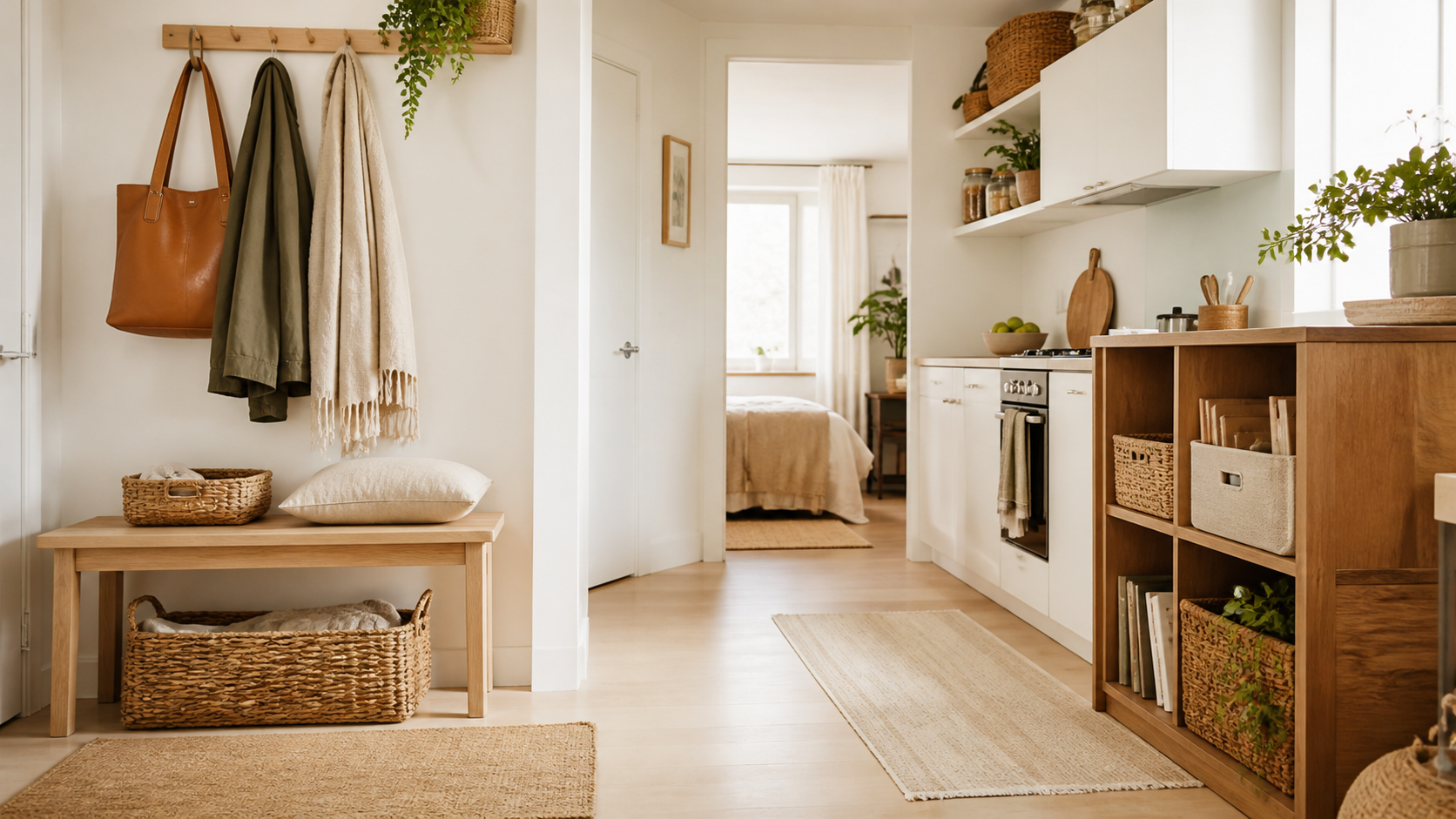
    Organized storage along the entryway and kitchen of a small home

    The placement rule: organize around movement

    Many storage decisions begin with appearance: an open surface looks cluttered, so everything is placed out of sight. That can create a second problem. If an item is hidden far from where it is used, you may walk back and forth, leave it on a temporary surface, or forget where it belongs.

    Instead, look at the short routes you repeat during an ordinary day. Examples include:

    • Door to key storage, bag storage, or shoe care.
    • Sink to dish towel, drying area, or cleaning supplies.
    • Desk to charger, notebook, or headphones.
    • Bedside area to glasses, medication packaging, or reading material.
    • Laundry area to hamper, drying space, or folding surface.

    The aim is not to keep every object visible. The aim is to give frequently used objects a clear home near the activity that needs them. Items used less often can usually tolerate a less convenient location, provided that the storage place is labelled by function or easy to remember.

    A 15-minute home organization routine

    1. Prepare: choose one route

    Set a timer for 15 minutes and choose one small route, such as the entrance, desk, kitchen counter, or bedside area. Avoid attempting the whole home in one session. A narrow focus makes it easier to see which items are causing repeated movement or surface clutter.

    Prepare three temporary groups:

    • Keep here: items that are used in this area and have a sensible location nearby.
    • Move closer to use: items that belong in the area but are stored too far away.
    • Review later: items that need a decision about frequency, ownership, or disposal.

    You do not need new containers for this exercise. Use the existing shelves, drawers, hooks, or a temporary box while you test the arrangement.

    2. Sort: notice repeated trips

    Look at the selected area and ask four questions:

    1. What do I reach for here?
    2. What do I carry into this area from somewhere else?
    3. What do I leave here because returning it is inconvenient?
    4. Which item has no clear next destination?

    Write down two or three examples. A short note such as “charger is used at the desk but stored in the bedroom” is enough. This keeps the exercise focused on observable routines rather than an idealized room.

    3. Act: move the highest-friction items first

    Choose one to three items that create the most repeated movement or temporary piles. Move them to a location that is:

    • Near the point of use.
    • Easy to reach without moving several other objects.
    • Appropriate for the item’s safety and condition.
    • Simple enough that another household member can understand it.

    For example, a notebook used at a desk can stay in a desk drawer rather than on a distant bookshelf. A small cleaning cloth used near the kitchen sink can have a nearby hook or designated shelf. A bag used when leaving home can be placed near the entrance, if that location does not block the walkway.

    Keep the arrangement modest. The purpose of this session is to test a route, not to redesign every storage area. If moving an item creates a safety concern, obstructs a passage, exposes it to moisture or heat, or makes it harder to secure, choose a different location.

    4. Review: run the route once

    After making the changes, imitate the activity that normally creates the clutter. Sit at the desk and collect the items you use there. Enter the home and put down your bag and keys. Prepare a simple drink and return the tools to their places.

    Ask:

    • Can I reach the item without an unnecessary detour?
    • Can I return it with one clear action?
    • Is the new location visible or memorable enough?
    • Did the change create a new obstacle somewhere else?

    If the arrangement feels awkward, adjust one item at a time. A location that looks efficient on paper may not fit the way the room is actually used.

    Copyable 15-minute checklist

    Time Action Prompt
    0–2 minutes Choose one route Which small area causes repeated movement or temporary piles?
    2–5 minutes Gather and sort What belongs here, what needs to move closer, and what needs later review?
    5–10 minutes Change locations Which one to three items would benefit from a shorter path?
    10–13 minutes Return related items Can each item be reached and put away with a clear action?
    13–15 minutes Test and note What worked, and what should be adjusted during the next reset?

    You can copy this shorter version into a note:

    • Area: ____________________
    • Repeated trip I noticed: ____________________
    • Item to move closer: ____________________
    • New location: ____________________
    • Test result: ____________________
    • Next small adjustment: ____________________

    Storage rules that support home flow

    Give frequent items the easiest access

    Items used every day benefit from a location that is quick to reach and easy to restore. This may be an open tray, a front section of a drawer, or a hook at a natural stopping point. Convenience can reduce the temptation to leave an item on a table or counter.

    Group items by activity, not only by object type

    Keeping all similar objects together can be useful, but activity-based grouping may be more practical in a small home. For example, the objects used for preparing coffee can share a zone even if they are different types of items. The same idea can apply to a work-from-home kit, an entryway kit, or a basic cleaning kit.

    Keep a small buffer near busy surfaces

    A busy surface often needs a temporary landing place. A small tray or clearly defined section can hold items that have entered the room but are not ready to be put away. The buffer should be limited enough to reveal when it needs attention. It is a holding zone, not a replacement for storage.

    Separate daily access from occasional storage

    Do not give prime storage space to items that are rarely used if daily items are difficult to reach. Place occasional items higher, farther back, or in a less convenient cabinet when their condition and safety allow. Keep the most accessible locations for the routines that happen frequently.

    Common mistakes to avoid

    • Changing too many areas at once: A large rearrangement makes it difficult to tell which change helped.
    • Choosing a location only because it is empty: Empty space may be far from the activity or inconvenient to restore.
    • Buying organizers before observing the route: A new container cannot correct an unclear storage rule.
    • Ignoring other household members: A system works better when its locations are understandable to everyone who uses them.
    • Keeping a temporary pile without a review point: Add a short review time so the pile does not become permanent.

    Conclusion: make one route easier

    Effective home organization in a small home can begin with one repeated route rather than a complete makeover. Choose a small area, identify the objects that travel unnecessarily, move a few of them closer to their point of use, and test the result. The goal is a home flow that supports real routines, including imperfect days. Repeat the 15-minute process in another area when the first change has had enough time to show whether it fits.

    FAQ

    Should every item be stored near where it is used?

    No. Prioritize items used frequently or items that create repeated trips and surface clutter. Infrequently used belongings can stay in more remote storage if the location is safe and easy to remember.

    What if there is not enough storage near the activity?

    First, review whether the area contains items that belong elsewhere. Then consider a small existing shelf, drawer section, hook, or tray. If no suitable location exists, use a clear portable group for that activity and review whether it is helping before adding more equipment.

    How often should I repeat the 15-minute routine?

    Repeat it when a route begins producing the same temporary pile or repeated search. A short session can also be useful after a change in work schedule, household membership, or room use.

    What is the best place for items shared by two people?

    Choose a location that both people can reach and recognize. If the item is used in two separate areas, keep a small shared location near the more frequent activity and agree on the return rule.


  • A Refined Guide to a Gold-Tone Statement Ring

    Gold adjustable stainless-steel statement ring with radiant-cut zircon and pave setting

    INS Hot Fashion 18K Gold Plated Surgical Tungsten Steel Engagement Ring Statement CZ Ring for Women Wedding brings a polished, expressive finish to the everyday jewellery wardrobe. Presented in gold, this ring combines the visual appeal of a radiant-cut zircon main stone with a pave setting and a wedding-band-inspired silhouette. Its design language moves comfortably between understated daily styling and more occasion-led dressing, making it a considered choice for anyone seeking one adaptable statement piece.

    The product information identifies stainless steel as the main material, with 316L listed as the material type. It is described as adjustable, allowing the fit to be approached with greater flexibility than a fixed-size ring. The profile is positioned as minimal, tiny and fancy jewellery, while its trendy character gives classic ring styling a more current direction. It is available for occasions including anniversaries, engagements, gifts, parties and weddings.

    Rather than treating a statement ring as an accessory reserved for formal moments, consider it a small styling anchor. The gold colour can introduce warmth to a neutral outfit, while the zircon detail adds a focused point of light around the hand. The result is a piece that can be interpreted in several ways: refined with tailoring, feminine with soft separates, or deliberately contrasted against relaxed daily looks.

    Design details that shape the look

    • Gold presentation: The listed colour is gold, giving the ring a warm, luminous presence that coordinates easily with cream, black, white, denim and other wardrobe neutrals.
    • Radiant-cut zircon: The main stone is identified as zircon in a radiant cut. This angular shape offers a crisp focal point and supports the ring’s statement character without relying on a complex colour story.
    • Pave setting: The setting type is listed as pave, contributing to a detailed surface treatment around the stone and reinforcing the ring’s occasion-ready appearance.
    • Stainless-steel construction: Stainless steel is specified as the jewellery main material and material, with 316L listed as the material type. These details should be considered alongside the product page information when assessing whether the piece suits your preferences.
    • Adjustable sizing: The size is listed as adjustable. This can be useful when selecting a ring for flexible everyday styling or as a gift, although the current product-page details should be checked before purchase.
    • Versatile positioning: The listed occasions include anniversary, engagement, gift, party and wedding. Its wedding-band shape and trendy style allow it to sit between symbolic dressing and fashion-led accessorising.
    • Gift presentation: The product information states that it comes in a gift packing box or OPP bag, offering two listed presentation formats.

    The product is associated with H.Y and carries the model number R220331-5. The listed plating is black rhodium, while the listed colour is gold; because these are distinct product details, review the current product page carefully to understand the presentation offered for the specific item.

    How to style it from day to occasion

    For a composed daily look: Pair the ring with a crisp shirt, fine knit or simple blouse in ivory, white or pale blue. Let the gold tone provide the accent, and keep the rest of the jewellery edited so the radiant-cut centre remains the visual focus. With denim and a structured bag, the ring can make a relaxed outfit feel more intentional without changing its easy character.

    For evening dressing: Use the ring as a finishing detail with a black dress, tailored jumpsuit or clean monochrome separates. The pave setting and zircon centre are naturally suited to evening light, while the relatively focused silhouette avoids the need for multiple competing statement pieces. If wearing additional jewellery, repeat the gold colour in one subtle element such as a slim bracelet or small earrings.

    For engagement or wedding-related styling: The wedding-band shape and engagement-ring classification make this design appropriate for celebratory wardrobes. It can complement a minimal manicure, soft neutrals and clean tailoring, or add a polished counterpoint to a more romantic outfit. For a coordinated look, echo the ring’s angular stone shape through geometric earrings or a structured neckline rather than matching every detail exactly.

    For gifting: The adjustable size and listed gift-packing options may make the ring worth considering when you want a present with a clear jewellery identity. Before choosing it as a gift, confirm the current sizing information and presentation details on the product page. A simple note explaining the gold styling potential can make the gesture feel personal without overcomplicating it.

    For a modern contrast: Wear the ring with a leather jacket, oversized blazer or casual knit to place its refined stone setting against relaxed textures. This approach highlights the product’s trendy character and keeps it relevant to daily outfits, not only formal occasions.

    What to consider before choosing

    1. Check the current fit information. The size is listed as adjustable, but the way an adjustable ring suits your preferred fit is personal. Review the product page before ordering, especially if the ring is intended as a gift or for a particular finger.
    2. Review the material and finish details. The supplied information lists stainless steel, 316L and gold as key product details, while also listing black rhodium under plating. Read the current product description carefully so your expectations align with the precise finish and construction information provided.
    3. Choose according to your wardrobe. Gold works especially well with warm neutrals, monochrome outfits and denim. If your existing jewellery is predominantly silver-toned, decide whether you want this ring to stand alone as a deliberate contrast or coordinate it with another warm-toned accessory.
    4. Consider the visual scale. The ring is described as a statement CZ ring, yet its feature description also uses minimal, tiny and fancy. If you prefer a restrained look, style it alone. If you enjoy more impact, pair it with carefully selected pieces that do not obscure the zircon centre.
    5. Plan its role. This design can serve as a daily accent, a celebration accessory or a gift. Identifying its primary role will help you decide whether its adjustable construction, gold colour and radiant-cut detail match the occasion you have in mind.
    6. Keep care practical. Store the ring separately when not wearing it to help reduce contact with other jewellery. Keep the surface away from unnecessary friction, and follow the care guidance provided on the current product page. Check the finish periodically and handle it thoughtfully as part of a plated jewellery wardrobe.

    Frequently asked questions

    Is the ring adjustable?

    Yes. The supplied product information lists the size as adjustable. Confirm the current fit details on the product page before purchase.

    What is the main stone?

    The main stone is listed as zircon, with a radiant cut and pave setting.

    What colour is offered?

    The listed colour is gold. The product information also lists black rhodium under plating, so review the current product page for the exact finish presentation.

    What material is specified?

    Stainless steel is listed as the jewellery main material and material, with 316L specified as the material type.

    When can it be worn?

    Listed occasions include anniversary, engagement, gift, party and wedding. Its gold colour and statement setting can also be styled with daily outfits.

    Does it arrive as a gift?

    The product information states that it comes in a gift packing box or OPP bag. Confirm the current packaging details before purchasing.

    Please verify the current product details, finish, sizing, packaging and purchase information on the product page before purchase.

    Explore INS Hot Fashion 18K Gold Plated Surgical Tungsten Steel Engagement Ring Statement CZ Ring for Women Wedding at THANKS KAI.

    Product: INS Hot Fashion 18K Gold Plated Surgical Tungsten Steel Engagement Ring Statement CZ Ring for Women Wedding

  • 잠들기 전 화면 사용을 정리하는 셀프케어 루틴: 15분 저녁 실행표

    잠들기 전 화면 사용을 정리하는 셀프케어 루틴: 15분 저녁 실행표

    작성자: Kai Life 편집팀

    잠들기 전 화면 사용을 정리하려면 기기를 한 번에 멀리하기보다, 15분 동안 사용 목적을 확인하고 필요한 연락을 마친 뒤 화면 밖의 짧은 행동으로 전환하는 저녁 루틴을 만들어 보세요. 핵심은 의지로 버티는 것이 아니라 화면을 내려놓는 순서를 미리 정하는 데 있습니다.

    휴대전화를 내려놓고 독서를 준비한 저녁 침실

    이 글에서는 셀프케어 루틴을 준비·분류·실행·점검의 네 단계로 나눕니다. 오늘 바로 적용할 수 있도록 각 단계의 시간을 나누고, 상황에 따라 줄이거나 늘릴 수 있는 체크리스트도 함께 제시합니다.

    1. 시작 전 준비: 화면을 줄일 시간과 목적 정하기

    저녁 루틴은 거창한 계획보다 시작 시점을 알아보기 쉬운 신호에서 출발합니다. 예를 들어 씻은 뒤, 침실에 들어가기 전, 알람을 맞춘 뒤처럼 매일 반복되는 행동에 화면 정리 시간을 연결할 수 있습니다.

    15분을 시작하기 전에 정할 것

    • 시작 신호: 화면 정리를 시작할 행동을 하나 고릅니다.
    • 종료 목표: 업무 확인, 연락 정리, 영상 시청처럼 오늘 처리할 범위를 좁힙니다.
    • 대체 행동: 물 마시기, 가벼운 정리, 종이 기록, 조용히 앉기 중 하나를 선택합니다.
    • 기기 위치: 손이 닿는 곳에서 조금 떨어진 충전 위치를 정합니다.

    처음부터 화면을 전혀 보지 않는 계획이 부담스럽다면, ‘사용 시간을 없애기’보다 ‘끝나는 지점을 만들기’를 목표로 잡는 편이 현실적입니다. 저녁마다 조건이 달라질 수 있으므로 한 가지 방식만 고집하지 않아도 됩니다.

    2. 분류 단계: 15분 동안 화면 사용을 네 가지로 나누기

    화면을 켜는 이유를 구분하면 계속 이어지는 사용과 지금 처리할 필요가 있는 사용을 분리하기 쉬워집니다. 아래 네 가지 분류를 빠르게 적용해 보세요.

    분류 예시 정리 방법
    필요한 확인 알람, 일정, 내일의 약속 확인 후 바로 종료
    짧은 연락 답장이 필요한 메시지 보낼 내용을 정한 뒤 마무리
    나중에 처리할 일 검색, 쇼핑, 긴 답변 메모로 옮기고 다음 시간에 처리
    습관적 보기 목적 없이 앱을 넘기기 화면을 끄고 대체 행동으로 이동

    이때 모든 알림을 확인하려고 하면 정리 시간이 길어질 수 있습니다. 오늘 저녁에 필요한 정보인지, 내일 처리해도 되는지 정도만 판단해도 충분합니다. 처리하지 못한 일을 기록으로 옮기면 머릿속에서 계속 확인하려는 부담을 줄이는 데 도움이 될 수 있습니다.

    3. 실행 단계: 15분 저녁 루틴

    다음 실행표는 화면 사용을 정리하는 시간을 세 구간으로 나눈 것입니다. 시계나 타이머를 사용할 수 있지만, 타이머를 확인하는 일이 새로운 화면 사용으로 이어진다면 일반 시계를 활용해도 좋습니다.

    1. 0~5분 | 필요한 확인: 알람, 일정, 중요한 연락처럼 오늘 확인할 항목만 처리합니다. 새로 생긴 검색거리나 긴 답변은 메모 목록으로 보냅니다.
    2. 5~10분 | 사용 종료 준비: 열어 둔 앱을 닫고, 내일 처리할 일을 한두 문장으로 기록합니다. 기기를 충전 위치에 두고 알림을 정리합니다.
    3. 10~15분 | 화면 밖 전환: 조명을 낮추거나, 물을 마시거나, 내일 입을 옷을 준비하거나, 종이에 짧게 감정을 적는 등 화면이 필요 없는 행동을 하나 합니다.

    핵심은 마지막 5분을 비워 두는 것입니다. 화면을 끈 직후에도 계속 할 일이 떠오르면 다시 기기를 확인하기 쉬우므로, 작은 전환 행동을 정해 두면 루틴의 끝을 알아차리기 편합니다.

    복사 가능한 15분 체크리스트

    • [ ] 오늘 꼭 확인할 알람과 일정만 확인했다.
    • [ ] 지금 답할 연락과 내일 답할 연락을 나눴다.
    • [ ] 나중에 할 검색이나 업무를 짧게 기록했다.
    • [ ] 화면을 끄고 기기를 정해 둔 곳에 놓았다.
    • [ ] 화면이 필요 없는 행동을 5분 동안 했다.
    • [ ] 오늘 루틴에서 불편했던 점을 한 문장으로 남겼다.

    4. 점검 단계: 잘했는지보다 조정할 점 찾기

    저녁 루틴을 평가할 때 ‘성공’과 ‘실패’로 나누면 하루의 변동을 반영하기 어렵습니다. 대신 다음 날 조정할 항목 하나만 찾습니다.

    • 화면을 오래 본 이유는 무엇이었나?
    • 정리 시간이 부족했나, 처리할 항목이 너무 많았나?
    • 기기를 내려놓은 뒤 가장 자연스러웠던 대체 행동은 무엇이었나?
    • 다음에는 시작 신호나 기기 위치를 바꿀 필요가 있나?

    예를 들어 메시지 확인이 길어졌다면 다음 날에는 답장할 사람을 미리 정할 수 있습니다. 검색이 반복됐다면 ‘내일 확인’ 메모를 침대 밖에 두는 방법을 시도할 수 있습니다. 기록은 길게 쓰지 말고 원인과 다음 조정만 남겨도 됩니다.

    생활에 맞게 루틴을 조정하는 방법

    15분이 매일 같은 방식으로 작동하지 않을 수 있습니다. 늦게 귀가한 날에는 5분으로 줄이고, 일정이 많은 날에는 필요한 확인 시간을 조금 늘릴 수 있습니다. 중요한 것은 시간을 늘리는 것보다 정리 순서를 유지하는 것입니다.

    상황별 조정 예시

    • 업무 연락이 많은 날: 업무용 확인과 개인용 보기를 분리하고, 업무 종료 시점을 기록합니다.
    • 가족이나 지인 연락이 필요한 날: 답장 범위를 정한 뒤 남은 대화는 다음 날 이어갈 문장으로 메모합니다.
    • 불안한 생각이 많은 날: 해결할 일과 지금 해결하기 어려운 일을 나누어 종이에 적습니다.
    • 루틴을 놓친 날: 다음 저녁에 가장 짧은 단계부터 다시 시작합니다.

    결론: 셀프케어 루틴은 화면을 없애는 계획이 아니다

    잠들기 전 화면 사용을 정리하는 셀프케어 루틴은 기기를 멀리하는 행위만으로 완성되지 않습니다. 필요한 확인을 분류하고, 미룰 일을 기록하고, 화면 밖 행동으로 넘어가는 순서를 반복하는 데 의미가 있습니다. 오늘은 15분 전체를 지키는 것보다 확인할 것 하나, 기록할 것 하나, 화면 밖 행동 하나를 정해 시작해 보세요.

    자주 묻는 질문

    15분 동안 화면을 전혀 사용하지 않아야 하나요?

    그럴 필요는 없습니다. 이 루틴의 목적은 화면 사용을 구분하고 종료 지점을 만드는 것입니다. 알람이나 필요한 연락처럼 이유가 있는 사용은 처리하고, 나중에 할 일은 기록으로 옮기는 방식으로 시작할 수 있습니다.

    타이머를 켜는 것 자체가 화면 사용 아닌가요?

    타이머가 도움이 된다면 사용할 수 있지만, 타이머 확인이 다른 앱 사용으로 이어진다면 시계나 주방 타이머처럼 화면이 아닌 도구를 선택해도 됩니다.

    하루 빠뜨리면 처음부터 다시 해야 하나요?

    다시 처음부터 할 필요는 없습니다. 놓친 이유를 한 문장으로 적고, 다음 날 가장 쉬운 단계부터 이어가면 됩니다. 저녁 일정에 따라 15분을 5분으로 줄이는 것도 조정 방법입니다.

    기록은 무엇을 적으면 되나요?

    ‘무엇 때문에 화면을 켰는지’, ‘내일 처리할 일은 무엇인지’, ‘다음에 바꿀 점은 무엇인지’를 짧게 적어 보세요. 긴 일기를 쓰기보다 다음 행동이 보이는 정도로 남기는 편이 실용적입니다.


  • 하트 크리스털 펜던트로 완성하는 데일리 주얼리 스타일링

    더블 하트 지르콘 펜던트와 18K 골드 도금 스테인리스 스틸 목걸이

    Hot Selling 18k Gold Plated Stainless Steel Pendant Necklace Double Heart Crystal Design Elegant Jewelry Gift for Women은 두 개의 하트 모티프와 크리스털 포인트가 돋보이는 펜던트 목걸이입니다. 스테인리스 스틸을 주 소재로 사용했으며, 18K 골드 도금과 하트 형태의 지르콘 장식이 디자인의 중심을 이룹니다.

    미니멀한 펜던트에 기하학적인 인상을 더한 트렌디한 액세서리로, 데일리룩부터 선물용 주얼리까지 폭넓게 고려할 수 있습니다. 골드 컬러가 주는 또렷한 포인트와 하트 실루엣의 부드러운 분위기를 함께 연출하고 싶을 때 살펴보기 좋은 제품입니다.

    하트 디테일과 골드 포인트가 만나는 디자인

    이 목걸이의 가장 눈에 띄는 요소는 서로 연결된 듯한 더블 하트 펜던트입니다. 하트 셰이프의 스톤이 중심에 자리해 로맨틱한 분위기를 전하며, 기하학적인 형태가 지나치게 장식적으로 보이지 않도록 균형을 잡아줍니다.

    • 소재: 스테인리스 스틸
    • 도금: 18K 골드 도금
    • 메인 스톤: 지르콘
    • 스톤 형태: 하트
    • 체인 타입: 박스 체인
    • 세팅 방식: 클로 세팅
    • 스타일: 트렌디한 미니멀 펜던트 디자인
    • 활용: 데일리 라이프와 선물용

    스톤은 랩 크리에이티드 방식으로 제작된 것으로 안내되어 있으며, 제품의 시각적인 포인트를 담당합니다. 브랜드명은 Amaranth이고, 제품 모델 번호는 APZW520WX입니다. 남녀 모두를 위한 주얼리로 안내되어 있어, 하트 디자인을 선호하는 다양한 착용자와 선물 대상을 고려할 수 있습니다.

    데일리룩부터 선물까지, 이렇게 활용해 보세요

    골드 컬러의 펜던트는 기본적인 상의와 매치했을 때 목선에 자연스러운 포인트를 더하기 좋습니다. 흰색이나 크림색처럼 밝은 톤의 셔츠와 함께하면 하트 장식의 형태가 또렷하게 드러나고, 블랙이나 네이비 계열의 상의와 매치하면 골드 포인트가 한층 선명하게 보입니다.

    출근이나 가벼운 외출처럼 과한 장식보다 단정한 포인트가 필요한 날에는 단독으로 착용해 보세요. 박스 체인과 간결한 펜던트 구성이 전체 스타일을 복잡하게 만들지 않으면서도 작은 디테일을 더해줍니다. 데일리룩, OOTD, 기념일 스타일링처럼 하트 모티프를 중심으로 분위기를 만들고 싶은 경우에도 잘 어울립니다.

    선물로 선택할 때는 받는 사람이 평소 골드 컬러 액세서리를 즐겨 착용하는지, 하트 또는 로맨틱한 디자인을 선호하는지 먼저 살펴보면 좋습니다. 여성용 주얼리 선물뿐 아니라 남성 또는 성별 구분 없이 착용할 수 있는 제품으로 안내되어 있으므로, 상대의 취향과 평소 옷차림을 기준으로 선택해 보세요.

    다른 목걸이와 레이어드할 때는 펜던트의 하트 형태가 묻히지 않도록 체인과 장식이 단순한 아이템을 고르는 편이 좋습니다. 반대로 하나의 포인트 주얼리로 연출하고 싶다면 귀걸이와 반지의 장식을 최소화해 목걸이에 시선이 모이도록 구성할 수 있습니다.

    선택 전 확인하면 좋은 기준

    1. 디자인 취향을 먼저 확인하세요. 더블 하트와 지르콘 장식이 제품의 핵심이므로, 하트 모티프와 골드 컬러를 좋아하는지 살펴보는 것이 우선입니다.
    2. 주로 입는 옷과 맞춰 보세요. 단색 상의, 셔츠, 심플한 데일리웨어가 많은 사람이라면 펜던트가 포인트로 활용되기 쉽습니다. 화려한 액세서리를 자주 착용한다면 다른 장식과의 조화를 함께 고려해 보세요.
    3. 체인과 펜던트 구성을 확인하세요. 박스 체인과 미니멀 펜던트 조합이므로, 목걸이 전체의 인상은 단정한 편입니다. 굵고 큰 장식을 기대하는 경우에는 제품 이미지를 자세히 확인하는 것이 좋습니다.
    4. 선물 목적이라면 활용 장면을 생각하세요. 제품 정보에는 Gift와 Daily Life가 주요 활용으로 안내되어 있습니다. 일상 착용을 원하는지, 특별한 의미를 담은 선물을 원하는지에 따라 선택 기준을 세워 보세요.
    5. 관리할 때는 제품 상태를 살펴보세요. 착용 후에는 장식과 체인에 오염이나 잔여물이 남지 않았는지 확인하고, 보관 전 제품 페이지의 최신 관리 관련 안내를 함께 확인하는 것이 좋습니다. 도금 제품인 만큼 보관과 사용 환경은 구매 전 안내 사항을 기준으로 판단하세요.

    제품 정보상 원산지는 중국 산둥이며, 제품 유형은 펜던트 목걸이입니다. 실제 구매 전에는 색상 선택 가능 여부와 구성, 상세 이미지에 표시된 내용을 제품 페이지에서 다시 확인하면 선택에 도움이 됩니다.

    자주 묻는 질문

    어떤 소재로 만들어졌나요?

    주 소재는 스테인리스 스틸이며, 18K 골드 도금이 적용된 제품으로 안내되어 있습니다.

    펜던트에는 어떤 스톤이 사용되나요?

    메인 스톤은 지르콘이며, 하트 형태로 표현되었습니다. 스톤 제작 방식은 랩 크리에이티드로 안내되어 있습니다.

    어떤 스타일에 어울리나요?

    트렌디한 미니멀 펜던트 디자인으로, 데일리룩과 OOTD에 포인트를 더하거나 선물용 주얼리로 활용할 수 있습니다.

    남성도 착용할 수 있나요?

    제품 정보에는 Unisex, Men’s, Women’s로 안내되어 있습니다. 다만 더블 하트 디자인에 대한 취향과 평소 스타일을 함께 고려해 선택하세요.

    구매 전에 무엇을 확인해야 하나요?

    현재 판매 색상, 구성, 상세 이미지와 구매 조건은 변경될 수 있으므로 구매 전 제품 페이지의 최신 정보를 확인하는 것이 좋습니다.

    제품의 소재, 도금, 스톤, 구성 및 구매 관련 정보는 변경될 수 있으므로 구매 전 THANKS KAI 제품 페이지에서 최신 상품 상세와 구매 정보를 반드시 확인해 주세요.

    더블 하트와 골드 포인트의 데일리 주얼리를 살펴보고 싶다면 THANKS KAI에서 제품을 확인해 보세요.

    Product: Hot Selling 18k Gold Plated Stainless Steel Pendant Necklace Double Heart Crystal Design Elegant Jewelry Gift for Women

  • 월별 생활비 항목을 단순하게 나누는 기준: 15분 실행 루틴

    월별 생활비 항목을 단순하게 나누는 기준: 15분 실행 루틴

    작성자: Kai Life 편집팀

    생활비 정리는 지출 항목을 많이 만드는 것보다 다음 달에도 같은 기준으로 다시 기록할 수 있게 나누는 일이 핵심입니다. 가장 간단한 출발점은 월별 지출을 고정비, 변동비, 비정기 지출의 세 묶음으로 구분한 뒤, 매달 15분 동안 정기 결제와 큰 변동만 점검하는 방식입니다. 세부 항목은 필요한 만큼만 추가하고, 기록 목적이 흐려질 정도로 잘게 쪼개지는 것은 피합니다.

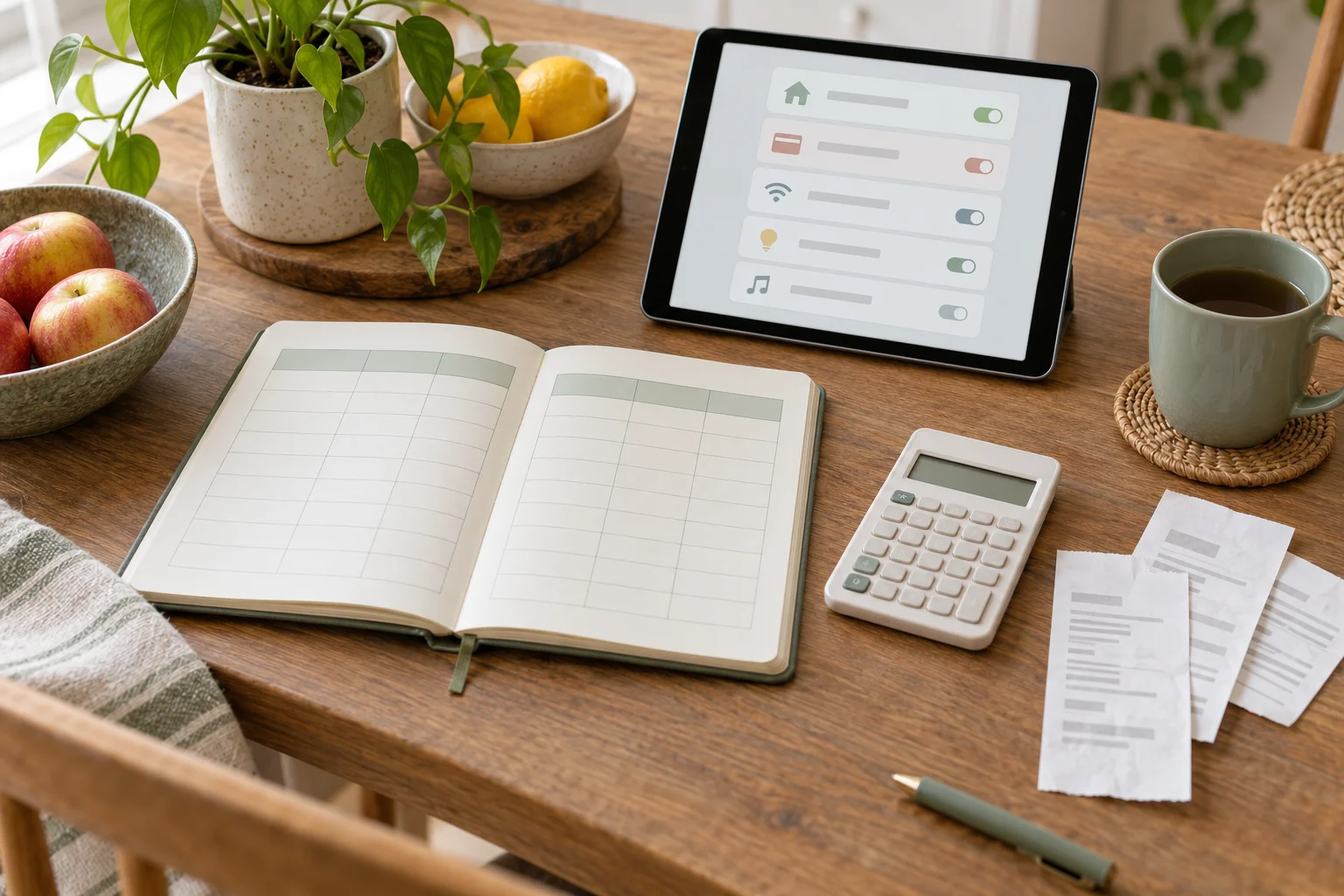
    생활비 기록표와 반복 결제 항목을 확인하는 태블릿

    1. 생활비 항목을 세 묶음으로 나누는 기준

    항목을 나눌 때는 지출의 이름보다 다음 달에도 비슷한 방식으로 반복되는지를 기준으로 판단하면 편합니다. 아래 세 가지 분류만으로도 대부분의 월별 생활비 흐름을 한눈에 볼 수 있습니다.

    구분 판단 기준 예시 기록 방법
    고정비 금액이나 결제일이 비교적 일정한 지출 주거 관련 비용, 통신비, 정기 구독 결제일과 예상 금액을 함께 기록
    변동비 사용량이나 생활 방식에 따라 달라지는 지출 식비, 교통비, 생활용품 한 달 합계와 주요 원인을 기록
    비정기 지출 매달 발생하지 않지만 특정 시기에 필요한 지출 행사, 수리, 계절용품, 연간 결제 발생일과 다음 예상 시점을 메모

    예를 들어 정기적으로 빠져나가는 온라인 서비스 이용료는 고정비로, 그때그때 달라지는 장보기 비용은 변동비로 볼 수 있습니다. 1년에 한 번 결제되는 비용은 이번 달에 빠져나갔더라도 비정기 지출로 따로 남겨 두면 다음 발생 시점을 놓치기 쉽지 않습니다.

    세부 항목을 추가해도 되는 경우

    세 묶음만으로 원인을 파악하기 어려울 때만 하위 항목을 추가합니다. 변동비 안에서 식비와 교통비를 나누는 것은 다음 달 조정에 도움이 될 수 있습니다. 반면 비슷한 성격의 지출을 결제처별로 계속 쪼개면 기록 시간만 늘고 전체 흐름을 보기 어려워질 수 있습니다.

    • 다음 달 금액을 조정해야 하는 항목인가?
    • 구분했을 때 지출 원인이 더 분명해지는가?
    • 기록할 때 한 번에 판단할 수 있는 이름인가?

    2. 15분 실행 루틴: 준비·분류·실행·점검

    생활비 기록은 한 번에 오래 정리하는 것보다 짧은 시간에 같은 순서로 반복하는 편이 부담이 적습니다. 아래 루틴은 한 달의 지출 흐름을 빠르게 훑고, 다음 달에 확인할 항목을 남기는 데 초점을 둡니다.

    1단계 준비: 2분

    이번 달에 확인할 자료를 한곳에 모읍니다. 계좌 내역, 카드 이용 내역, 현금으로 적어 둔 지출 메모, 정기 결제 목록을 준비합니다. 자료를 모두 완벽하게 맞추려 하기보다 빠진 기록이 있는지 확인할 수 있는 상태를 만드는 것이 목적입니다.

    2단계 분류: 5분

    각 지출 옆에 고정비, 변동비, 비정기 지출 중 하나를 표시합니다. 애매한 항목은 임시로 표시해 두고 다음 단계에서 처리합니다. 이때 결제처 이름만 남기지 말고 실제 용도를 짧게 적으면 나중에 같은 지출을 분류하기 쉽습니다.

    3단계 실행: 5분

    정기 결제를 확인하고 이번 달에 실제로 사용한 서비스와 사용하지 않은 서비스를 나눠 적습니다. 해지나 변경을 바로 결정하기보다, 확인이 필요한 항목을 별도 메모로 남기는 방식이 안전합니다. 변동비에서는 전체 금액보다 평소와 달라진 지출 한두 가지를 먼저 찾습니다.

    4단계 점검: 3분

    다음 달에 다시 확인할 항목을 세 개 이내로 남깁니다. 예를 들어 정기 결제 확인, 비정기 지출 예정일, 기록이 빠진 항목처럼 행동으로 이어지는 표현이 좋습니다. 점검 목록이 지나치게 길어지면 다음 실행 때 부담이 커질 수 있습니다.

    3. 복사해서 쓰는 생활비 기록표

    아래 표는 숫자 자체보다 지출의 성격과 다음 행동을 남기는 데 적합합니다. 메모 앱, 스프레드시트, 종이 노트 중 편한 곳에 옮겨 사용할 수 있습니다.

    날짜 지출 내용 분류 금액 다음 행동 또는 메모
    고정비 / 변동비 / 비정기
    고정비 / 변동비 / 비정기
    고정비 / 변동비 / 비정기

    월말 비교표

    확인 항목 이번 달 상태 다음 달 확인할 점
    고정비 결제일 또는 금액 변화 확인
    변동비 평소와 달라진 원인 기록
    비정기 지출 예상 시점과 준비 방법 메모
    정기 결제 사용 여부와 갱신 시점 확인

    4. 기록이 밀렸을 때 다시 시작하는 방법

    몇 주 또는 몇 달의 기록이 비어 있다면 모든 내역을 처음부터 복원하려고 하기보다 기준일을 정해 다시 시작합니다. 먼저 현재 달의 고정비와 정기 결제부터 적고, 변동비는 큰 지출과 기억나는 지출부터 기록합니다. 세부 금액이 불확실한 항목에는 별도 표시를 남겨 추정치와 확인된 기록을 구분합니다.

    이후 기록 방식이 부담스러운 이유를 찾아 조정합니다. 입력 칸이 너무 많다면 분류를 줄이고, 결제처만 적어 용도가 헷갈린다면 메모 칸에 한 단어를 추가합니다. 핵심은 과거 기록을 깔끔하게 만드는 데만 머무르지 않고, 다음 달에 같은 방식으로 이어 갈 수 있도록 구조를 가볍게 바꾸는 것입니다.

    실행 전 체크리스트

    • 이번 달 계좌·카드 내역을 확인할 준비가 되었는가?
    • 지출을 고정비, 변동비, 비정기 지출 중 하나로 표시했는가?
    • 정기 결제의 결제일과 사용 여부를 메모했는가?
    • 평소와 달라진 변동비의 원인을 한 줄로 남겼는가?
    • 다음 달에 확인할 항목을 세 개 이내로 정했는가?

    자주 묻는 질문

    항목을 몇 개까지 만들어야 하나요?

    처음에는 고정비, 변동비, 비정기 지출 세 가지로 시작해도 충분합니다. 특정 항목의 변동 원인을 파악해야 할 때만 식비, 교통비처럼 하위 분류를 추가하는 방식이 관리하기 쉽습니다.

    정기 결제는 고정비로만 기록하면 되나요?

    분류상으로는 고정비에 넣을 수 있지만, 별도의 정기 결제 목록을 함께 두면 갱신 시점과 사용 여부를 확인하기 좋습니다. 고정비 합계와 정기 결제 점검은 서로 다른 목적의 기록으로 볼 수 있습니다.

    금액이 정확하지 않은 지출은 어떻게 하나요?

    확인되지 않은 금액은 추정치라고 표시하고, 나중에 확인할 자료를 메모합니다. 확인된 금액과 추정치를 구분하면 기록의 신뢰도를 판단하기 쉬워집니다.

    마무리

    생활비 정리는 세부 내역을 많이 쌓는 작업이 아니라, 다음 달의 판단에 필요한 정보만 남기는 과정입니다. 고정비·변동비·비정기 지출로 먼저 나누고, 15분 동안 정기 결제와 큰 변동을 확인한 뒤, 다음 달에 볼 항목을 짧게 남겨 보세요. 가족이 함께 기록한다면 분류 이름과 메모 방식을 먼저 맞추는 것만으로도 기록이 훨씬 덜 흔들릴 수 있습니다.


  • A Refined Guide to Everyday Stackable Rings

    Open heart-shaped ring with round-cut zircon detail in a delicate silver-toned presentation

    BSR338 Small Dainty Women Rings Non Tarnish 14K Gold Plated Stackable Rings for Teen Girls Open Cute Cubic Zirconia Thumb Ring is designed for a light, adaptable approach to everyday jewellery. Its open ring profile, heart shape and round-cut zircon detail create a delicate focal point, while the choice of silver or gold presentation makes it easy to consider alongside different wardrobes and styling moods.

    Listed under the RINNTIN brand, this ring is described with silver as its main jewellery material and with gold plated, rhodium plated and 14K gold plated finishes. The product information also identifies a bezel setting, a zircon main stone and a trendy style. Together, these details position it as a versatile piece for personal styling, thoughtful gifting or an understated occasion look.

    The open design is especially useful when you want jewellery that feels expressive without requiring a heavily layered arrangement. Wear it as a small accent on its own, use it to bring a little sparkle to a casual outfit, or coordinate it with other rings for a more considered stack. Before choosing, review the current product page for the available presentation, product details and purchase information.

    Details That Shape the Look

    Open ring profile: The open construction gives the design a distinctive silhouette and allows it to read as lighter and more visually relaxed than a fully enclosed band. It also supports the product’s stackable styling direction.

    Heart-shaped character: The listed heart shape introduces a gentle, playful note. This makes the ring suitable for everyday outfits while also giving it a thoughtful quality for gifting, anniversaries, weddings, engagements, parties and other listed occasions.

    Round-cut zircon: A round-cut zircon is identified as the main stone. Set with a bezel setting, it provides a neat, contained centre of attention rather than a densely ornamented appearance.

    Finish options: The supplied product information references silver, gold plated, rhodium plated and 14K gold plated presentations. The images also identify Silver and Gold options. Check the product page carefully to confirm the current option names and the selection available when you shop.

    Flexible styling direction: The ring is categorised as trendy and suitable for women, children and unisex wear in the supplied details. Its compact, dainty profile can work with casual daily dressing, a polished OOTD, or a more coordinated jewellery arrangement.

    • Brand: RINNTIN
    • Model number supplied: SR338
    • Jewellery type: Rings
    • Main stone: ZIRCON
    • Pearl type: None
    • Certificate type: None

    Ways to Style and Coordinate It

    For a simple daily look, let the ring remain the only statement at hand. Pair its fine, open appearance with clean tailoring, a soft knit or a relaxed T-shirt and denim combination. This approach keeps the heart detail visible and allows the zircon to act as a small point of light rather than competing with the rest of the outfit.

    For a delicate stack, place it beside slim bands in a similar visual weight. Since the design is described as stackable, the most harmonious result will usually come from balancing it with uncomplicated shapes instead of adding several large or highly detailed rings. You can keep the heart motif central, or use it as a subtle contrast within a more linear arrangement.

    For mixed-metal coordination, begin by deciding whether you want the Silver or Gold presentation to lead. A silver-toned selection can complement cool neutrals, white shirts and crisp tailoring. A gold-toned selection can sit comfortably with warm beige, cream, brown and denim. If combining tones, repeat the chosen contrast elsewhere in your jewellery or accessories so the look feels intentional.

    For a gift-minded presentation, the heart shape offers an easy emotional cue without relying on an elaborate design. The supplied occasions include gifts, weddings, anniversaries, engagements, parties and everyday wear. Consider the recipient’s usual jewellery tone and preferred level of delicacy before selecting an option.

    For thumb-ring styling, the product name specifically identifies a thumb-ring direction. Keep the surrounding hand styling restrained if you want the thumb placement to be the focus. Alternatively, create a balanced composition by echoing the ring’s fine profile on another finger, subject to the fit and size information available on the product page.

    How to Choose and Care for Your Styling Plan

    Begin with finish. The supplied information references several plating descriptions, while the visual options are labelled Silver and Gold. Read the current option selector and product details carefully rather than assuming that a colour label represents a particular underlying finish. If the ring is intended as a gift, match the choice to the recipient’s existing jewellery, watch details or preferred wardrobe palette.

    Next, consider the role you want the ring to play. For a quiet everyday accent, the open heart design can stand alone. For a more decorative result, use the stackable direction as a guide and combine it with slender, visually compatible rings. Keep the overall arrangement proportionate so the zircon and heart shape remain legible.

    Fit should be checked before purchase. The supplied data does not state a ring size, adjustment range or dimensions, so consult the product page for the current sizing information. This is particularly important when considering the open design, thumb placement or a gift for another person.

    For care, follow the current product-page guidance if provided and handle plated jewellery thoughtfully. Keep the ring separated from pieces that could scratch or catch it, and store it in a clean, dry place when it is not being worn. Avoid making assumptions about water, cosmetics, chemicals or activity resistance because those details are not supplied here. Gently handling the piece and checking the finish regularly can help you make informed decisions about when and how to wear it.

    Finally, confirm the current product details, option names and purchase information before ordering. The supplied information lists no certificate, warranty, price, dimensions or shipping terms, so those points should be verified directly on the product page.

    Frequently Asked Questions

    What is the main stone?
    The main stone is listed as ZIRCON, with a round-cut shape and bezel setting.

    Is the design suitable for stacking?
    Yes. Stackable styling is part of the supplied product description. For the best visual balance, consider pairing it with slim, uncomplicated rings.

    Which finishes or colours are referenced?
    The information references silver, gold plated, rhodium plated and 14K gold plated descriptions, while the visual options are labelled Silver and Gold. Confirm the current selectable options on the product page.

    Can it be worn as a thumb ring?
    The product name identifies a thumb-ring direction. Check the current sizing and fit information before choosing thumb placement.

    Is a certificate included?
    The supplied details state “Certificate type: None.” Review the product page for any current information before purchase.

    What occasions are listed?
    Gift, wedding, anniversary, engagement, party and everyday wear are listed as occasions.

    Please verify the current product details, available options, sizing information and purchase information on the product page before purchase.

    View BSR338 Small Dainty Women Rings Non Tarnish 14K Gold Plated Stackable Rings for Teen Girls Open Cute Cubic Zirconia Thumb Ring at THANKS KAI.

    Product: BSR338 Small Dainty Women Rings Non Tarnish 14K Gold Plated Stackable Rings for Teen Girls Open Cute Cubic Zirconia Thumb Ring

  • 오늘 할 일을 세 칸으로 나누는 업무 정리법: 15분 우선순위 메모 루틴

    오늘 할 일을 세 칸으로 나누는 업무 정리법: 15분 우선순위 메모 루틴

    작성자: Kai Life 편집팀

    업무 정리가 막힐 때는 모든 일을 한 목록에 넣기보다, 오늘의 할 일을 세 칸으로 나누어 적어보세요. 추천하는 세 칸은 오늘 실행할 일, 진행 중인 일, 확인하거나 나중에 판단할 일입니다. 이후 15분 동안 준비·분류·실행·점검의 순서로 메모하면, 우선순위가 흐릿한 상태에서 할 일을 고르는 데 도움이 됩니다.

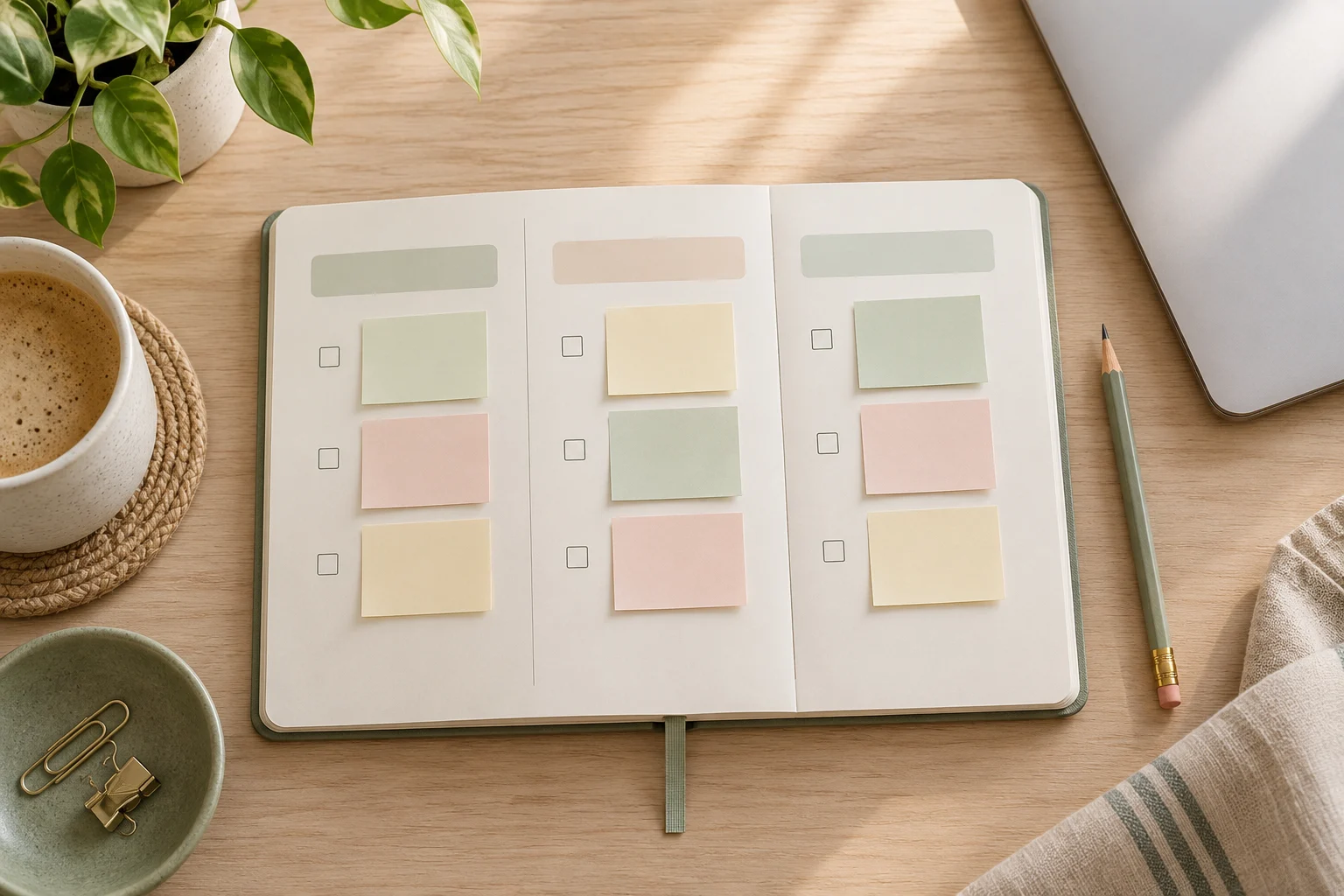
    오늘 할 일을 세 칸으로 구분한 우선순위 노트

    세 칸 업무 정리의 기본 구조

    세 칸 메모법의 핵심은 업무의 중요도를 복잡한 점수로 계산하는 데 있지 않습니다. 지금 바로 움직일 수 있는 일과 당장 행동하기 어려운 일을 분리해, 오늘의 집중 범위를 줄이는 데 있습니다.

    칸 넣을 업무 작성 예시
    오늘 실행 오늘 안에 첫 행동을 시작할 일 거래처 메일 초안 작성, 회의 자료 목차 만들기
    진행 중 이미 시작했거나 다른 사람의 응답을 기다리는 일 검토 요청한 문서, 피드백 대기 중인 기획안
    확인·나중 판단 정보가 부족하거나 시점이 정해지지 않은 일 다음 달 아이디어, 추가 논의가 필요한 요청

    ‘오늘 실행’ 칸에는 항목을 많이 넣지 않는 편이 좋습니다. 하루에 처리해야 할 업무 전체를 적는 목록과, 지금 집중할 일을 고르는 목록은 목적이 다르기 때문입니다. 전체 업무는 별도 목록에 보관하고, 세 칸 메모에는 오늘 확인할 범위만 옮겨 적습니다.

    15분 실행 루틴: 준비·분류·실행·점검

    1단계. 준비: 흩어진 업무를 한곳에 모으기

    처음 3분은 업무를 정리하지 말고 모으는 데 사용합니다. 메일, 메신저, 회의 메모, 개인 메모장에 흩어진 항목을 한 화면이나 한 장에 적습니다. 이때 문장을 예쁘게 다듬기보다, 기억에서 빠진 일을 꺼내는 데 집중합니다.

    • 오늘 받은 요청을 적습니다.
    • 어제 끝내지 못한 일을 옮깁니다.
    • 회의에서 나온 후속 조치를 확인합니다.
    • 답장을 기다리는 업무를 표시합니다.

    업무를 모으는 단계에서는 중요도 판단을 잠시 미룹니다. 수집과 분류를 동시에 하면 작은 항목에 오래 머물거나, 막연한 불안 때문에 목록을 반복해서 고치게 될 수 있습니다.

    2단계. 분류: 세 칸 중 한 곳에 배치하기

    다음 4분 동안 각 항목을 세 칸 가운데 한 곳에 놓습니다. 분류 기준은 ‘가장 중요한가’보다 ‘지금 어떤 상태인가’에 맞춥니다.

    1. 오늘 바로 행동할 수 있는가? 그렇다면 오늘 실행 칸에 둡니다.
    2. 이미 시작했거나 응답을 기다리는가? 그렇다면 진행 중 칸에 둡니다.
    3. 정보·결정·일정이 부족한가? 그렇다면 확인·나중 판단 칸에 둡니다.

    업무가 두 칸에 걸쳐 보일 때는 ‘다음 행동’을 기준으로 선택합니다. 예를 들어 ‘보고서 작성’은 너무 넓은 표현이지만, ‘지난달 매출 표를 열어 누락된 열 확인하기’는 오늘 실행할 수 있는 행동입니다. 반대로 ‘팀장 검토 대기’는 내가 추가로 작성할 일이 아니라 진행 중인 상태에 가깝습니다.

    3단계. 실행: 오늘 칸을 행동 단위로 줄이기

    다음 5분은 오늘 실행 칸의 항목을 작게 쪼개는 시간입니다. 업무명을 그대로 적으면 시작점이 모호해질 수 있으므로, 동사로 시작하는 짧은 행동으로 바꿉니다.

    큰 업무 표현 첫 행동으로 바꾼 표현
    회의 준비 회의 안건 3개를 문서 상단에 적기
    자료 정리 첨부파일을 날짜순으로 한 폴더에 모으기
    고객 문의 대응 문의 내용을 질문 2개로 나누어 답변 초안 작성하기
    주간 보고서 작성 지난주 수치와 이번 주 진행 항목을 표에 입력하기

    오늘 실행 칸에 있는 항목마다 ‘끝내는 기준’도 짧게 적어보세요. 예를 들어 ‘보고서 작성’의 끝을 최종 제출로 볼지, 초안 공유로 볼지에 따라 필요한 시간이 달라집니다. 완료 기준이 분명하면 업무가 끝났는지 판단하기 쉬워집니다.

    4단계. 점검: 다음 행동과 보류 이유 남기기

    마지막 3분은 메모를 다시 읽고 각 업무에 다음 행동이나 보류 이유를 붙이는 단계입니다. 진행 중인 업무에는 ‘누구의 답변을 기다리는지’, 확인·나중 판단 칸에는 ‘무엇이 확인되면 옮길지’를 적습니다.

    • 진행 중: 검토자에게 금요일 오전까지 피드백 요청
    • 확인·나중 판단: 예산 범위가 정해지면 일정 검토
    • 오늘 실행: 초안 작성 후 담당자에게 공유

    이 기록은 업무가 멈춘 이유를 확인하는 데 유용합니다. 단순히 ‘대기’라고 적는 대신, 대기 대상과 다음 확인 시점을 남기면 같은 업무를 반복해서 떠올리는 부담을 줄일 수 있습니다.

    복사해서 쓰는 15분 업무 체크리스트

    아래 양식을 메모장이나 문서에 붙여 넣고, 하루의 시작 또는 업무 전환 시점에 사용할 수 있습니다.

    [업무 정리 날짜] __________  [점검 시간] __________
    
    1. 준비: 흩어진 업무 모으기
    - [ ] 메일 요청 확인
    - [ ] 메신저 후속 조치 확인
    - [ ] 회의 메모 확인
    - [ ] 어제 미완료 업무 확인
    
    2. 분류: 세 칸에 배치하기
    [오늘 실행]
    - [ ] ______________________________
    - [ ] ______________________________
    - [ ] ______________________________
    
    [진행 중]
    - [ ] ______________________________
    - [ ] ______________________________
    
    [확인·나중 판단]
    - [ ] ______________________________
    - [ ] ______________________________
    
    3. 실행: 오늘 항목을 행동으로 바꾸기
    - 첫 행동: ________________________
    - 완료 기준: ______________________
    - 예상 방해 요소: _________________
    
    4. 점검: 다음 행동 남기기
    - 오늘 마친 일: ____________________
    - 답변을 기다리는 일: ______________
    - 내일 다시 볼 일: __________________

    회의 메모에도 같은 구조 적용하기

    회의 메모가 길어지는 이유 중 하나는 결정된 내용, 담당 업무, 참고 의견이 한 문서에 섞이기 때문입니다. 회의가 끝난 직후 메모를 세 칸으로 다시 배열하면 후속 조치를 확인하기 쉬워집니다.

    회의 메모 칸 기록할 내용 확인 질문
    오늘 실행 회의 직후 처리할 후속 조치 누가, 무엇을, 언제까지 하는가?
    진행 중 담당자가 정해졌지만 결과를 기다리는 일 현재 대기 중인 사람이나 자료는 무엇인가?
    확인·나중 판단 추가 검토가 필요한 아이디어와 쟁점 결정을 위해 필요한 정보는 무엇인가?

    회의 메모의 각 항목에는 담당자와 다음 확인 시점을 함께 적는 편이 좋습니다. 담당자가 정해지지 않은 업무는 개인의 할 일로 바로 옮기기보다, 먼저 담당자 확인을 오늘 실행 항목으로 만들 수 있습니다.

    주간 점검으로 반복 업무 다듬기

    하루 단위 메모만 반복하면 같은 업무가 계속 뒤로 밀릴 수 있습니다. 주간 점검에서는 지난 며칠의 세 칸을 훑으며 반복되는 항목과 막힌 지점을 찾습니다. 점검에는 10~15분 정도를 배정하고, 다음 세 가지를 확인합니다.

    1. 오늘 실행 칸에 자주 남은 업무: 업무 범위가 큰지, 시작 행동이 모호한지 살핍니다.
    2. 진행 중 칸에 오래 머문 업무: 답변 요청이나 결정권자 확인이 필요한지 봅니다.
    3. 확인·나중 판단 칸에 반복되는 업무: 보류 이유가 여전히 유효한지, 폐기하거나 일정에 넣을지 판단합니다.

    주간 점검의 목적은 모든 항목을 처리하는 것이 아닙니다. 다음 주에 다시 볼 가치가 있는 일과 더 이상 보관할 필요가 없는 일을 구분하는 데 있습니다. 보류한 이유가 사라졌다면 항목을 지우거나 관련 자료와 함께 보관합니다.

    잘 작동하지 않을 때 조정하는 방법

    오늘 실행 칸이 너무 많을 때

    항목을 더 세분화하기 전에 오늘 실제로 시간을 쓸 수 있는 구간을 확인합니다. 회의와 고정 업무가 많은 날에는 실행 항목을 줄이고, 각 항목의 첫 행동만 남기는 방식이 현실적입니다. 나머지 업무는 진행 중 또는 확인·나중 판단 칸으로 옮기되, 옮긴 이유를 짧게 기록합니다.

    진행 중 업무가 계속 쌓일 때

    진행 중이라는 표현이 ‘언젠가 확인할 일’의 보관함처럼 사용되고 있는지 살펴봅니다. 실제로 기다리는 사람이 없거나 확인 시점이 정해지지 않았다면 확인·나중 판단 칸으로 이동합니다. 반대로 응답이 필요한 업무라면 요청일과 다음 확인 시점을 추가합니다.

    메모를 꾸미는 데 시간이 오래 걸릴 때

    이 방법은 보기 좋은 문서를 만드는 작업보다 다음 행동을 정하는 작업에 가깝습니다. 색상, 아이콘, 서식은 나중에 정하고 처음에는 세 칸과 짧은 동사만 사용합니다. 메모 도구보다 지속적으로 꺼내 볼 수 있는 위치와 단순한 규칙이 더 중요합니다.

    결론: 업무 정리는 목록을 늘리는 일이 아니라 다음 행동을 좁히는 일

    오늘 할 일을 세 칸으로 나누면 모든 업무를 한 번에 해결하려는 압박에서 벗어나, 현재 상태에 맞는 다음 행동을 고를 수 있습니다. 15분 동안 업무를 모으고, 세 칸에 분류하고, 행동 단위로 줄이고, 대기 이유를 남겨보세요. 하루가 끝난 뒤에는 완료 여부보다 어떤 업무가 반복해서 멈추는지 확인하면 다음 업무 정리 방식을 조정하는 데 도움이 됩니다.

    자주 묻는 질문

    세 칸에는 업무를 몇 개까지 넣어야 하나요?

    정해진 숫자보다 오늘 실제로 확인할 수 있는 범위를 기준으로 정하세요. 특히 오늘 실행 칸은 여러 업무의 제목을 모으기보다 첫 행동이 분명한 항목 중심으로 좁히는 편이 좋습니다.

    중요한 업무와 급한 업무는 어떻게 구분하나요?

    세 칸 메모는 중요도와 긴급도를 완벽하게 판정하는 도구라기보다 현재 상태를 정리하는 도구입니다. 마감, 영향 범위, 다른 사람의 작업과 연결되는 정도를 확인한 뒤 오늘 실행 항목의 순서를 정하세요.

    회의 중에도 세 칸으로 메모해야 하나요?

    회의 중에는 내용을 빠르게 기록하고, 회의가 끝난 뒤 세 칸으로 재배열하는 방식이 편할 수 있습니다. 특히 담당자, 다음 행동, 확인 시점을 정리하면 회의 메모가 실제 업무 체크리스트로 이어집니다.

    매일 같은 방식으로 정리해야 하나요?

    기본 구조는 유지하되 업무 성격에 맞게 조정할 수 있습니다. 회의가 많은 날에는 진행 중 칸을 자세히 기록하고, 혼자 집중하는 날에는 오늘 실행 항목의 완료 기준을 구체적으로 적는 식입니다.


THANKS KAI CONTACT

WeChat

위챗에서 QR코드를 스캔해 주세요.
Scan the QR code in WeChat.

Thanks Kai WeChat contact QR code위챗 열기 / Open WeChat