MIU Quilted nappa leather pouch is a compact black leather design by MIU MIU, distinguished by quilted detailing, visible stitching and metallic gold-lettered branding. The supplied product description identifies it as a shoulder bag with a single leather handle and a secure zipper closure.
Its streamlined profile suits refined everyday dressing, from a tailored coat and trousers to a simple knit-and-denim combination. This is a product-information-based selection guide; styling suggestions are editorial, not the result of hands-on testing.
Verified details and styling notes
Material: 100% leather.
Colour: NERO.
Manufacture: Italy.
Exterior dimensions: width 15 cm, height 8.5 cm, depth 8 cm.
Design details: metallic “miu miu” lettering, front gold-lettered logo, single leather handle, visible stitching and zipper closure.
The source describes a spacious interior, but it does not provide usable internal capacity or a list of items that will fit. Consider the stated exterior dimensions when planning how to carry it.
For coordination, let the gold-toned logo echo discreet jewellery, or keep accessories minimal so the front branding remains the focal point. The NERO colour can anchor both monochrome looks and softer neutral palettes.
Where it fits into a wardrobe
Use MIU Quilted nappa leather pouch as a compact accent for dinners, gallery visits or polished daytime outfits. The handle and zipper closure support a neat, considered styling approach, while the quilted leather introduces texture to otherwise simple silhouettes.
For a day look, pair it with a crisp shirt, relaxed trousers and understated flats. For evening, coordinate it with a black dress or sharp tailoring, allowing the gold lettering to provide a measured point of contrast.
A practical selection checklist
Before choosing this piece, check:
Whether the stated 15 × 8.5 × 8 cm exterior dimensions suit your intended essentials.
Whether a black NERO accessory complements your existing wardrobe.
Whether you prefer a single-handle design and zipper closure.
Whether the visible logo and gold finish match your preferred level of branding.
Whether the product page’s current condition and purchase details meet your requirements.
As the source does not state internal capacity, avoid assuming that a particular phone, wallet or cosmetic case will fit without checking measurements.
Frequently asked question
Is the internal capacity specified?
No. The description calls the interior spacious but does not give usable internal capacity, so compare your essentials with the stated exterior dimensions before purchase.
Please verify the current product details, condition, measurements and purchase information on the product page before purchase.
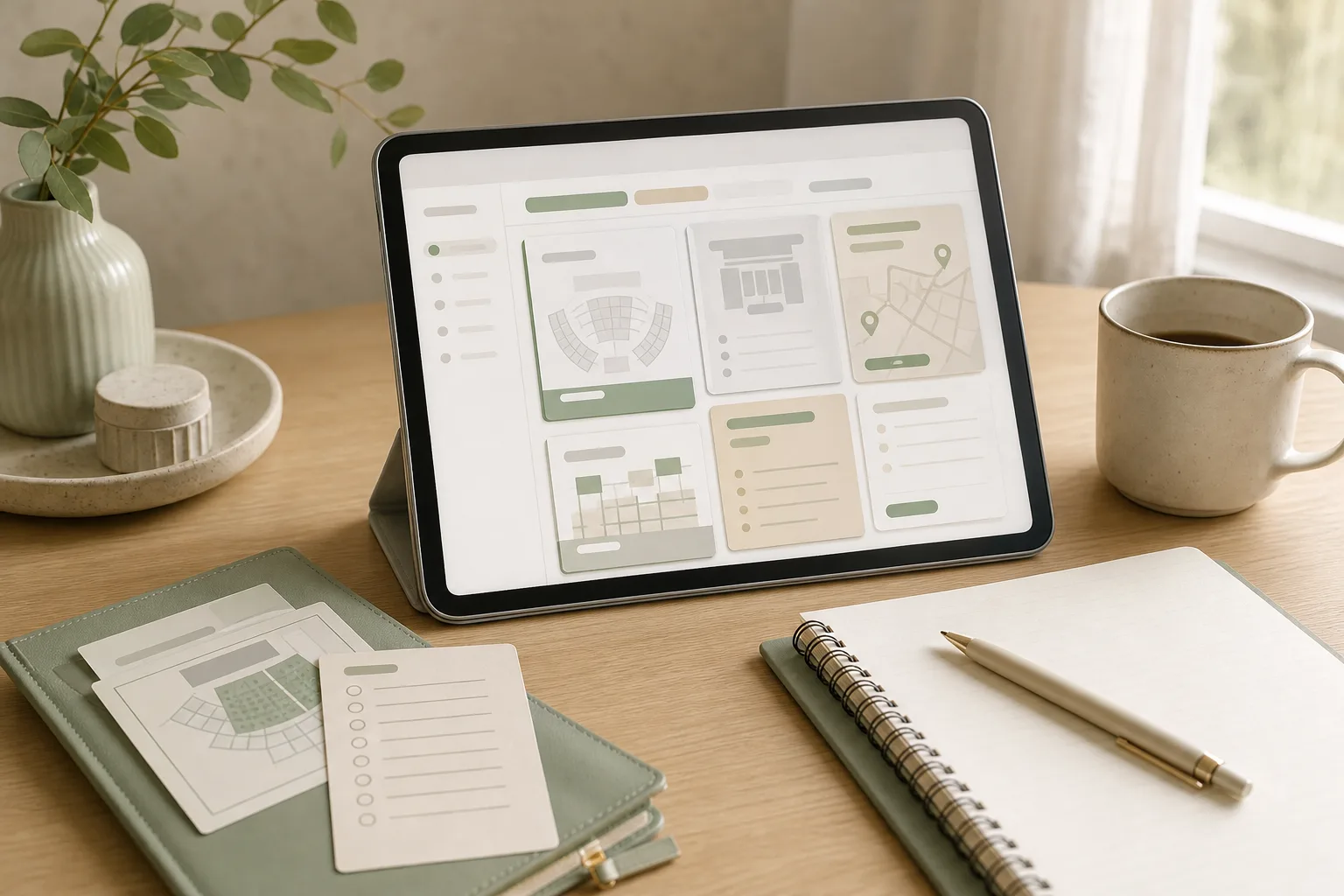
한국 콘서트 예매 준비의 핵심은 가장 가까운 좌석을 찾는 것이 아니라 내가 중요하게 생각하는 관람 조건을 먼저 정하고, 공식 좌석도와 공연 안내에서 그 조건을 확인하는 것입니다. 정면 시야가 우선인지, 동행자와 붙어 앉는 것이 중요한지, 이동 부담을 줄여야 하는지에 따라 같은 공연장에서도 적합한 선택이 달라집니다.
먼저 보는 가상 작성 예시
아래 표는 특정 공연의 실제 정보가 아닌 가상 예시입니다. 날짜·가격·좌석번호·소요시간은 측정 결과나 실제 경험이 아니라, 판단 항목을 작성하는 방법을 보여주기 위한 예시입니다.
확인 항목
가상 입력 예시
판단
관람 우선순위
무대 전체보다 출연자의 표정과 움직임을 보고 싶음
측면 끝자리보다 정면에 가까운 구역을 우선 검토
시야 제한
공식 안내에 구조물 또는 장치로 제한 가능성이 표시됨
가격이나 잔여석보다 시야 설명을 먼저 확인하고 보류
동행 조건
두 사람이 반드시 붙어 앉아야 함
각자 한 자리씩 고르지 말고 연석 여부를 먼저 확인
이동 조건
공연 후 대중교통 환승을 여러 번 해야 함
출발지에서 공연장 입구까지의 경로와 귀가 동선을 사전 확인
티켓 수령
현장 수령 안내가 있음
예매자 신분증, 예매번호, 수령 장소 확인
이 예시에서 중요한 점은 ‘좋은 좌석’을 단정하지 않는 것입니다. 시야가 중요한 사람과 이동 부담이 큰 사람은 같은 좌석표를 보고도 다른 결론을 내릴 수 있습니다.
좌석표에서 확인할 기준
1. 좌석 등급보다 무대와의 방향을 먼저 확인하기
좌석 등급은 가격이나 판매 구분을 보여주는 정보일 뿐, 실제 관람 만족을 모두 설명하지는 않습니다. 공식 좌석배치도에서 무대의 정면·측면·후면을 구분하고, 출입구·통로·난간·기둥처럼 시야에 영향을 줄 수 있는 요소가 표시되어 있는지 확인하세요.
공연장에 따라 좌석 버튼을 누르면 해당 위치의 시야 이미지를 제공하기도 합니다. 다만 촬영된 시야는 실제 눈으로 보는 장면과 차이가 있을 수 있으므로, 이미지 하나만으로 시야를 보장한다고 해석해서는 안 됩니다.
2. ‘시야제한석’은 별도 조건으로 판단하기
시야제한석은 단순히 무대에서 멀다는 뜻이 아닙니다. 구조물, 장치, 연출 상황, 관람자의 위치에 따라 제한 정도가 달라질 수 있습니다. 공식 안내에서 제한 사유와 환불·변경 가능 여부를 함께 읽어야 합니다.
다음 조건이라면 시야제한석을 보류하는 편이 합리적일 수 있습니다.
출연자의 표정이나 세부 동작을 보는 것이 관람 목적의 중심일 때
처음 방문하는 공연장이라 제한 정도를 예측하기 어려울 때
공연 당일 시야 문제를 이유로 취소·변경하기 어렵다고 안내되어 있을 때
반대로 음악 감상이나 전체 연출을 중심으로 보고, 제한 범위가 공식 안내에 구체적으로 설명되어 있다면 다른 조건과 비교할 수 있습니다. 단, ‘시야제한’이라는 표시를 개인 후기만으로 해석하지 말고 해당 공연의 공식 공지를 기준으로 판단하세요.
공연장 이동은 출발지 기준으로 계산하기
공연장 이름만 확인하고 이동을 계획하면 입장 지연 위험을 놓치기 쉽습니다. 출발지에서 공연장 건물까지의 경로를 다음 순서로 나눠 보세요.
집이나 약속 장소에서 공연장 주변 교통수단까지 이동
역·정류장에서 공연장 부지 안으로 이동
부지 입구에서 실제 공연장 건물까지 이동
티켓 수령, 본인 확인, 입장 대기 후 객석까지 이동
특히 대형 공연장이나 여러 건물이 있는 시설은 역에서 가깝다는 설명만으로 실제 입장 시간을 판단하기 어렵습니다. 자가용을 이용할 때는 주차장 혼잡으로 입장이 늦어질 수 있다는 공연장 안내가 있는지 확인하고, 주차를 선택할 조건과 대중교통으로 전환할 조건을 미리 정하세요.
예매 전에 공식 안내에서 대조할 항목
구분
확인할 내용
보류 기준
좌석
지정석인지, 비지정석인지, 연석 선택이 가능한지
동행자와 붙어 앉아야 하지만 좌석 운영 방식이 불명확함
시야
시야제한석 표시, 무대 구조물, 시야 이미지 제공 여부
제한 사유는 있으나 실제 범위가 설명되지 않음
입장
관람 연령, 본인 확인, 지연 입장 제한
동행자의 연령 증빙이나 신분 확인 방법을 준비하지 못함
티켓 수령
배송·현장 수령·모바일 티켓 여부와 준비물
예매자와 실제 관람자가 다르지만 대리 수령 조건을 확인하지 못함
취소·환불
공연별 취소 마감과 수수료, 상세페이지 우선 규정
일반 플랫폼 규정만 보고 공연별 공지를 읽지 않음
공식 예매처 안내에서는 공연에 따라 지정 예매처를 통한 구매만 인정하거나, 취소 마감 이후 변경·환불이 어렵다고 안내할 수 있습니다. 또한 예매자 본인 확인, 티켓 분실, 휠체어석 예매 방법 등은 공연마다 달라질 수 있으므로 플랫폼의 일반 도움말보다 해당 공연 상세페이지를 우선 확인해야 합니다.
선택을 확정해도 되는 경우와 보류해야 하는 경우
선택을 확정해도 되는 경우
공식 좌석배치도에서 무대 방향과 좌석 구역을 확인했다.
시야제한 또는 구조물 관련 안내를 읽고 내 관람 목적과 충돌하지 않는다.
동행자 수와 연석 조건이 예매 화면의 좌석 운영 방식과 맞는다.
공연장까지의 이동 경로와 티켓 수령 준비물을 적어 두었다.
보류해야 하는 경우
공식 안내와 예매 화면의 좌석 구조가 서로 다르다.
공연장 변경이나 좌석 재배치 공지가 있었지만 새 배치도를 확인하지 못했다.
현장 수령인데 예매자 본인 확인 조건을 충족할 수 없다.
취소·환불 조건을 확인하지 않은 채 잔여석만 보고 결제하려 한다.
자주 생기는 실패와 수정 방법
실패 1. 좌석 등급만 보고 선택하기
문제: 같은 등급 안에서도 정면과 측면, 앞뒤 위치의 관람 조건이 다를 수 있습니다.
수정: 등급을 보기 전에 무대 방향, 시야 제한, 통로와 구조물 표시를 먼저 확인합니다.
실패 2. 공연장 이동을 지도 검색 한 번으로 끝내기
문제: 역이나 주차장에 도착한 뒤 건물 입구와 매표소를 찾는 시간이 빠집니다.
수정: 출발지에서 공연장 입구, 매표소, 객석까지의 순서를 메모하고 대체 경로를 하나 준비합니다.
실패 3. 일반 환불 규정만 믿기
문제: 공연별 상세페이지가 일반 규정보다 우선 적용될 수 있습니다.
수정: 결제 직전에 해당 공연의 예매·취소·수령 안내를 다시 읽고, 중요한 조건은 화면 캡처나 메모로 남깁니다.
예매 직전 체크리스트
공식 예매처와 주최자·공연장 안내가 일치하는가?
무대 방향과 좌석 구역을 확인했는가?
시야제한석 또는 구조물 안내를 읽었는가?
동행자 수에 맞는 연석 또는 좌석 운영 방식인가?
관람 연령과 신분증 등 입장 조건을 확인했는가?
티켓 수령 방식과 수령 장소를 확인했는가?
공연장까지의 이동과 귀가 경로를 정했는가?
공연별 취소·환불 조건을 확인했는가?
결론
한국 콘서트 예매 준비는 좌석을 빨리 고르는 일이 아니라, 관람 목적·시야·동행·이동·수령·취소 조건을 한 표에 넣고 공식 안내로 하나씩 검증하는 과정입니다. 가장 가까운 좌석이나 가장 높은 등급이 항상 최선은 아닙니다. 내게 중요한 조건을 두세 가지로 좁힌 뒤, 확인되지 않은 정보가 남아 있으면 결제를 잠시 보류하는 것이 안전합니다.
FAQ
좌석 시야 사진이 있으면 실제 시야를 그대로 믿어도 되나요?
아닙니다. 공식 페이지에서도 촬영 시야와 실제 눈으로 보는 장면 사이에 차이가 있을 수 있다고 안내하는 경우가 있습니다. 시야 사진은 참고자료로 보고 좌석 위치, 구조물, 공연별 무대 배치를 함께 확인하세요.
공연장 이동은 대중교통과 자가용 중 무엇이 더 좋은가요?
출발지와 공연장 상황에 따라 다릅니다. 주차장 혼잡이나 입장 지연 안내가 있다면 대중교통을 우선 검토하고, 이동이 어려운 일행이 있다면 주차 위치와 하차 지점을 포함해 전체 동선을 비교하세요.
공식 예매처가 아닌 곳에서 산 티켓도 입장할 수 있나요?
공연별 조건이 다르며, 지정 예매처 외 거래에 따른 피해를 예매처나 공연장이 책임지지 않는다고 안내할 수 있습니다. 개인 거래나 대행 구매를 선택하기 전에 해당 공연의 공식 안내를 반드시 확인하세요.
공식 자료와 확인일
공식 자료 검색 확인일: 2026-10-26 (Europe/Ljubljana). 이 글은 일반적인 선택 가이드이며, 실제 일정·가격·재고·입장 및 반품 조건은 해당 공식 페이지에서 다시 확인해 주세요.
The DRAGON DIFFUSION Triple Jump small handbag brings a basket-inspired silhouette to a refined everyday wardrobe. Its dark brown finish, dual handles and compact proportions create a piece that can be carried by hand or worn on the shoulder, offering two distinct styling directions without changing the character of the design.
This is a product-information-based selection guide rather than a hands-on review. The verified product details identify a single-compartment handbag made from 100% buffalo leather, with artisanal construction and dimensions of 30 cm wide, 22 cm high and 15 cm deep. The exterior measurements describe the bag’s overall size; they should not be read as a guaranteed usable internal capacity.
Its appeal lies in the balance between structure and individuality. The product information notes that the basket sizing and details may vary, and that curves in the weaving or two-tone colour variation can result from the handcrafted process rather than indicate a manufacturing flaw. For shoppers who value visible craft character, this makes the bag especially suited to outfits that benefit from texture and considered contrast.
Design features and verified details
The DRAGON DIFFUSION Triple Jump small handbag is described as a basket design with a single compartment and two handles. This straightforward interior arrangement keeps the design visually clean, while the dual-handle construction supports the stated hand-carrying and shoulder-wearing options. The product is listed in DK BROWN, a deep, versatile shade that can sit comfortably within neutral, tonal and earth-coloured wardrobes.
Material: 100% buffalo leather.
Format: basket-style handbag with one compartment.
Handles: two handles, with carrying by hand or on the shoulder described in the product information.
Exterior measurements: width 30 cm, height 22 cm, depth 15 cm.
Colour: DK BROWN.
Construction note: the piece is handcrafted, so no two examples are alike.
Product code: DRAT9N8TBR1ZZZZZ01.
The measurements are useful for judging visual scale against your wardrobe and daily routine, but they do not establish the precise space available inside. The product description does not provide an internal pocket layout, closure specification or stated load capacity, so these should be confirmed on the product page before purchase if they are important to your selection.
Artisanal variation is central to the presentation. The stated possibility of differences in basket sizing, weaving curves and colour tone means that the finished appearance may have individual character. Rather than treating the surface as a perfectly uniform pattern, style it as a crafted element with natural visual variation.
How to style and use it
For a polished daytime look, pair the dark brown handbag with a cream knit, tailored trousers and understated leather shoes. The basket texture introduces warmth to a clean silhouette without relying on prominent decoration. A tonal brown belt or warm metal jewellery can connect the accessories while allowing the handbag to remain the defining texture.
For relaxed weekend dressing, use the shoulder option with denim, a softly structured jacket and a simple shirt. The compact exterior dimensions give the bag a defined presence, while the dark brown colour works naturally with indigo, ecru, olive and charcoal. Keep the surrounding pieces uncomplicated so the artisanal weaving remains legible.
The bag can also bring balance to a more feminine outfit. Consider it with a fluid dress in a muted shade, then repeat the brown through sandals or a slim belt. Alternatively, contrast the crafted basket form with a crisp blazer and a straight skirt. These combinations make the handbag feel deliberate rather than merely casual.
When planning what to carry, begin with essentials that suit a single-compartment format. Since the product information does not specify internal capacity or compartments, compare the stated exterior measurements with the dimensions of your own daily items before deciding. A light, organised approach may also help preserve the clean line of the silhouette.
For care and coordination, protect the leather from situations that could mark or wet it, and store it in a way that avoids unnecessary pressure on the woven form. These are general styling and handling suggestions, not product-specific care instructions. For authoritative care guidance, check the current product page or accompanying information before use.
A practical selection checklist
Choose the DRAGON DIFFUSION Triple Jump small handbag when the following criteria align with your wardrobe and routine:
Check the scale: compare the exterior measurements of 30 cm by 22 cm by 15 cm with the bags you already use. Remember that exterior dimensions are not the same as usable internal capacity.
Confirm your carry preference: the product is described as suitable for carrying by hand or on the shoulder, with two handles. Review the product page for any further information you require about the carrying arrangement.
Assess the interior format: the bag has one compartment. If you prefer multiple sections, built-in organisation or a specified closure, verify those details before purchasing because they are not supplied here.
Consider colour coordination: DK BROWN is suited to neutrals and earthy palettes, and can also temper brighter clothing. Look at your existing shoes, belts and outerwear to decide whether the shade will integrate easily.
Welcome artisanal variation: expect that basket sizing and details may vary. Curves in the weaving or a two-tone shade are described as consequences of the unique handcrafted process, not manufacturing flaws.
Review material expectations: the verified material is 100% buffalo leather. If particular care, finish or maintenance requirements matter to you, confirm the current product information before ordering.
This checklist is intentionally practical: it separates what is confirmed from what is a styling recommendation. The confirmed specifications cover material, colour, format, carrying options and exterior measurements. Capacity, interior organisation and detailed care instructions require direct verification if they affect your decision.
Frequently asked questions
Is the DRAGON DIFFUSION Triple Jump small handbag designed to be carried in more than one way? The product information describes it as suitable for carrying by hand or on the shoulder and lists two handles. Confirm any additional carrying details on the current product page.
What is it made from? The listed material is 100% buffalo leather.
What are the measurements? The stated exterior measurements are 30 cm wide, 22 cm high and 15 cm deep. These are overall dimensions, not a guaranteed measurement of usable internal capacity.
Does each handbag look exactly the same? No. The product is handcrafted, and basket sizing and details may vary. Curves in the weaving or two-tone colour variation are identified as part of the unique process.
What colour is available in the supplied product information? The listed colour is DK BROWN.
Will it hold everything I carry daily? The supplied details do not state internal capacity or a load limit. Compare the exterior measurements with your essentials and verify current product information before purchase.
Product details, measurements, colour and construction notes are based on the supplied product information. Please verify current product details and purchase information on the product page before purchase.
If screens tend to stretch your evening later than intended, begin with a small boundary rather than a dramatic digital detox: choose a realistic stopping point, decide which exceptions are allowed, place a simple offline activity nearby, and record what needs attention tomorrow. This self-care routine is designed to create room for rest and personal routines without turning the evening into another project to complete.
Note: The example below is hypothetical. Its times and choices are illustrations, not measurements or a claim about what will work for every person.
A completed example: one ordinary evening plan
Here is a filled-in editorial example for an adult who wants less unplanned scrolling after work but still needs to remain reachable for one household matter.
Decision
Example entry
Screen boundary
Put entertainment apps away at 9:00 p.m.; keep calls from family available until 9:30 p.m.
Physical cue
Charge the phone on a shelf outside the bedroom and use a basic clock for time checks.
Offline activity
Read five pages of a novel, then make tea if still awake.
Tomorrow note
“Send the revised meeting outline after breakfast.”
Adjustment rule
If work runs late, shorten the reading choice rather than abandoning the whole plan.
Notice what this example does not include: a demand to avoid every screen, a long list of wellness tasks, or a promise that sleep or mood will improve. It defines a boundary, an exception, a next activity, and a way to reduce the plan when the evening changes.
1. Decide what “putting screens away” means for you
“No screens” can be too vague to guide a real evening. Write a specific boundary that separates optional use from necessary use. The useful question is not whether a device is present, but whether the activity helps you finish a defined responsibility or pulls you into open-ended browsing.
Choose a boundary that matches the problem
If short-video scrolling is the issue, pause entertainment and social apps while allowing calls.
If work messages keep reopening unfinished tasks, set a final review window and move remaining items to tomorrow’s list.
If the phone is used for reading, try a paper book or download one selected article before the boundary begins.
If household coordination is necessary, keep one communication channel available and silence unrelated alerts.
A useful decision rule is: keep a screen available only for a named responsibility or planned activity; move everything else out of reach until the next chosen review time. This rule allows exceptions without making the boundary meaningless.
Pick the stopping point by working backward
Start with the part of the evening you want to protect, such as a shower, journaling, reading, music, or quiet conversation. Then allow time for practical closing tasks: replying to an essential message, setting an alarm, preparing clothes, or checking a morning appointment. The screen boundary can begin after those tasks, rather than at an arbitrary hour.
If your evenings vary, create two versions:
Regular evening: a longer offline period with one chosen personal activity.
Compressed evening: a short closing sequence that protects one small pause.
2. Make the offline choice easy to start
Removing a screen creates an empty space. If you do not decide what belongs there, your hand may return to the device out of habit or because the next activity feels difficult to begin.
Prepare one or two low-friction options before the boundary starts. Suitable choices might include a few pages of reading, stretching within your comfortable range, writing a short journal entry, organizing tomorrow’s bag, listening to offline audio, or sitting with a warm drink. The point is not to build a complete wellness program. It is to make the first offline action visible and available.
Use a “one activity plus one backup” plan
Choose one activity that sounds pleasant enough for the evening’s energy level.
Choose a backup that requires less concentration or movement.
Put the needed item where you will notice it.
Stop choosing after that. More options can become another form of planning.
For example, the main choice might be journaling for ten minutes, with quiet music as the backup. If writing feels forced, switch to the backup without treating the change as failure.
Keep journaling small and concrete
Journaling can support a transition when it has a clear limit. Try three lines:
One thing that is still occupying my attention.
One action I can place on tomorrow’s list.
One thing I am allowed to leave unfinished tonight.
This format is not a treatment method or a promise of emotional improvement. It is simply a way to separate an unresolved task from the time you are trying to protect.
3. Close the evening without creating a second workload
A screen-free routine can become counterproductive if it contains too many steps, detailed tracking, or strict rules. Keep the closing sequence short enough that it still works on a tiring day.
A practical checklist
Review: Check only the messages, calendar items, or household details that genuinely need an evening decision.
Capture: Write down unfinished tasks in one place instead of keeping them in your head.
Set aside: Put the phone, tablet, or laptop in its selected location. Keep permitted exceptions clear.
Begin: Start the chosen offline activity immediately, even if it is brief.
Release: When the activity ends, allow the evening to continue without adding another target.
You can copy this shorter version into a notes app before the boundary begins, then use it as a printed card or handwritten list later:
Tonight’s screen boundary: __________________
Allowed exception: _________________________
Offline choice: ____________________________
Backup choice: _____________________________
Tomorrow note: _____________________________
If the evening changes, I will: ______________
The template is intentionally modest. A routine that can be adjusted is often more useful than one that depends on ideal energy, ideal timing, or a quiet home.
When this routine needs a different shape
Putting screens away may not be the right first step in every situation. If you are responsible for urgent care, on-call work, safety communication, or a time-sensitive household issue, design a monitored-use plan instead of pretending the device can be unavailable.
In that case, specify:
which person or channel can reach you;
when you will check for a non-urgent message;
where the device will stay so you can hear an urgent alert without browsing;
what task will mark the end of the responsibility.
Similarly, if a screen is your chosen way to relax, the goal does not need to be removing it completely. You might select one film, one episode, or a defined reading session and avoid switching between apps. The relevant change is from unplanned continuation to a clearly chosen activity.
Common failures and specific adjustments
Failure: the boundary starts too late
If you begin only when you are already exhausted, preparation may feel impossible. Move the setup earlier: choose the activity, write the tomorrow note, and place the charger before the final work or entertainment block.
Failure: essential messages become an excuse for browsing
Use a narrow exception. For example, allow calls from selected contacts but turn off promotional and social notifications. If the device cannot separate the channels easily, keep it nearby for a planned check and leave it face down between checks.
Failure: the offline activity feels like homework
Remove the performance standard. Reading one page, listening to one song, or writing one sentence can count as beginning. If the activity remains unpleasant, choose a different kind of rest rather than adding discipline.
Failure: one disrupted evening makes the routine disappear
Use a recovery version for the next evening: write one unfinished task, place the device in its location, and choose a five-minute offline activity. This preserves the central boundary while acknowledging that the full plan was not possible.
A weekly review that stays practical
After several ordinary evenings, review the plan using observations rather than judgments. Ask:
Which type of screen use was hardest to stop?
Was the chosen boundary early enough to protect the activity?
Did the offline choice match my energy?
Which exception was genuinely necessary?
What should be shortened, moved, or removed?
Change one part at a time. If you change the time, location, activity, and notification settings together, it becomes harder to tell which adjustment helped you organize the evening.
FAQ
Do I need to stop using every screen?
No. Define the screen use you want to limit and the use you need to keep available. A specific boundary is easier to follow than a broad rule that conflicts with work or household responsibilities.
What if I need my phone as an alarm?
Keep it at a distance that discourages casual browsing, use a separate clock if one is available, or set the alarm before the evening boundary and place the phone in its chosen location. Select the option that fits your household and safety needs.
Is journaling required?
No. Journaling is one possible transition activity. A book, quiet music, preparation for tomorrow, conversation, or simply sitting without a task may fit better.
What should I do if I break the plan?
Identify the exact point where the plan became unrealistic. Then revise one element, such as the start time, permitted exception, or offline activity. Restarting with a smaller version is more useful than turning one disrupted evening into a judgment about the whole routine.
Conclusion: protect one small piece of the evening
A sustainable self-care routine for putting screens away does not require a dramatic rule or a long list of habits. Decide what optional use you are pausing, name legitimate exceptions, place one offline activity within reach, and keep a shortened version for difficult evenings. The aim is to create a dependable opening for rest and personal time while leaving enough flexibility for real responsibilities.
Celine adam slipon loafer in goatskin은 CELINE의 로퍼 컬렉션에서 확인할 수 있는 슬립온 로퍼입니다. 제품 정보에 따르면 사하라(SAHARA) 색상의 고트스킨 소재를 사용했으며, 아몬드 토 실루엣과 앞코 앞부분의 Triomphe 패치가 디자인의 중심을 이룹니다.
신발 뒤쪽에는 디보싱 Triomphe와 신축성 있는 지지 요소가 있으며, 밑창 아래에는 디보싱 Celine 표기가 있습니다. 굽 높이는 1cm로 기재되어 있어 지나치게 높지 않은 플랫한 인상의 스타일을 찾을 때 살펴보기 좋습니다. 다만 실제 착화감이나 사이즈 적합성은 개인차가 있으므로, 구매 전 제공된 사이즈 가이드와 상품 페이지의 최신 정보를 함께 확인하는 것이 좋습니다.
이 글은 직접 착용하거나 성능을 테스트한 리뷰가 아니라, 제공된 상품 정보에 기반한 선택 및 스타일링 가이드입니다.
디자인과 확인 가능한 사양
시선을 모으는 디테일
형태: 아몬드 토 셰이프
장식: 앞코 앞부분의 Triomphe 패치, 신발 뒤쪽의 디보싱 Triomphe
후면 구성: 신축성 있는 요소가 있는 디자인
표기: 밑창 아래 디보싱 Celine
색상: SAHARA
소재와 제조 정보
겉감: 고트스킨 100%
안감: 고트스킨 100%
인솔: 가죽
아웃솔: 고무
굽 높이: 1cm
제조국: 이탈리아
상품 코드: CEL7WT32BEIJA11A00
위 항목은 제공된 상품 설명에 명시된 사양입니다. 사진에서 보이는 색감이나 디테일은 화면 설정과 촬영 환경에 따라 다르게 보일 수 있으므로, 최종 판단은 상품 페이지의 이미지와 상세 정보를 기준으로 해주세요.
이런 장면에 어울리는 스타일링
출근과 단정한 데일리룩
사하라 컬러는 블랙, 차콜, 네이비처럼 차분한 색상의 팬츠와 조합하면 신발의 Triomphe 디테일이 과하지 않게 드러납니다. 테일러드 팬츠에 셔츠나 얇은 니트를 매치하면 로퍼의 아몬드 토 라인이 정돈된 인상을 더합니다. 색상 대비를 줄이고 싶다면 베이지, 크림, 브라운 계열의 가방이나 벨트로 톤을 이어보세요.
주말의 미니멀 캐주얼
데님과 함께 연출할 때는 발목이 살짝 보이는 길이의 스트레이트 또는 슬림한 팬츠가 로퍼의 형태를 보여주기 좋습니다. 상의는 흰 셔츠, 단색 티셔츠, 가벼운 재킷처럼 장식이 적은 아이템을 선택하면 앞코의 Triomphe 패치가 포인트가 됩니다.
여성스러운 아이템과의 균형
플리츠 스커트나 미디 스커트처럼 움직임이 있는 하의에는 로퍼의 낮은 굽과 단정한 실루엣을 활용할 수 있습니다. 양말을 더한다면 사하라 컬러와 가까운 아이보리·베이지 톤으로 연결하거나, 의도적인 대비를 위해 블랙을 선택해 신발의 윤곽을 강조해보세요. 이는 스타일링 제안이며, 실제 착화감과 활동성은 개인의 발 형태와 착용 환경에 따라 달라집니다.
구매 전 선택 체크리스트
아래 체크리스트는 이 제품의 확인 가능한 정보와 구매 전 점검 항목을 구분해 살펴보기 위한 것입니다.
디자인 선호: 아몬드 토와 앞코의 Triomphe 패치처럼 로고 디테일이 있는 클래식 로퍼를 원하는지 확인합니다.
색상 조합: SAHARA 색상이 기존 옷장의 블랙·네이비·데님·뉴트럴 톤과 어울리는지 생각해봅니다.
소재 확인: 겉감과 안감이 모두 100% 고트스킨으로 기재되어 있습니다. 소재 특성에 맞는 관리 방법을 구매 전 확인하세요.
굽 높이: 명시된 굽 높이는 1cm입니다. 높은 굽을 찾는지, 낮은 굽의 외관을 선호하는지 기준을 세워보세요.
사이즈 점검: 제공된 사이즈 가이드를 확인하고, 평소 사이즈만으로 결정하지 않도록 발 길이와 발볼 등 필요한 정보를 비교합니다.
관리 계획: 가죽 제품은 물기, 오염, 마찰에 대한 관리 방식이 중요할 수 있으므로 상품 페이지의 관리 안내와 보관 조건을 확인합니다.
구분해 보기: 고트스킨·가죽 인솔·고무 아웃솔·이탈리아 제조·1cm 굽은 상품 정보로 확인되는 내용입니다. 반면 어떤 옷과의 조합이 가장 좋은지, 장시간 착용 시 어떠한지는 개인의 스타일과 사용 환경에 따른 제안이며 이 안내만으로 단정할 수 없습니다. 또한 굽 높이는 외부에서 확인되는 치수일 뿐, 신발 내부의 사용 가능한 공간이나 발볼 여유를 의미하지 않습니다.
자주 묻는 질문
Q. 어떤 색상인가요?
A. 상품 정보에는 SAHARA로 기재되어 있습니다. 화면에 따라 실제 색감은 다르게 보일 수 있으니 상품 이미지를 함께 확인하세요.
Q. 소재는 무엇인가요?
A. 겉감과 안감은 100% 고트스킨이며, 인솔은 가죽, 아웃솔은 고무로 안내되어 있습니다.
Q. 굽 높이는 얼마인가요?
A. 제공된 사양 기준 1cm입니다. 이는 굽의 외부 높이이며 신발 내부 공간을 나타내는 수치는 아닙니다.
Q. 사이즈는 어떻게 고르면 되나요?
A. 상품 페이지의 사이즈 가이드를 우선 확인하세요. 발 형태와 선호하는 여유가 다르므로 평소 사이즈만으로 적합성을 보장할 수 없습니다.
Q. 관리할 때 무엇을 확인해야 하나요?
A. 고트스킨 소재이므로 구매 전 상품 페이지의 최신 관리 안내를 확인하고, 물기와 오염에 노출되지 않도록 보관 조건을 점검하는 것이 좋습니다.
상품 사양, 색상, 사이즈 안내 및 구매 정보는 변경될 수 있으니 구매 전 THANKS KAI 상품 페이지에서 최신 제품 상세와 구매 정보를 반드시 확인해 주세요.
Household spending organization becomes easier when the goal is not to record every detail forever, but to create a clear view of where money went and what needs attention next. A practical approach is to use four steps: prepare, sort, act, and review. You can begin with recent bank or card records, group them into a small number of useful categories, identify recurring payments and unclear entries, then review the system briefly each month.
Why a small grouping system is useful
Many spending records become difficult to use because they contain too much detail or use categories that do not help with a decision. For example, separating every grocery store, convenience store, and delivery service may create a long list without showing the household pattern. A smaller structure can make the record easier to scan.
The purpose of grouping is not to judge each purchase. It is to answer practical questions such as:
Which payments repeat each month?
Which expenses change with household activity?
Which entries are difficult to identify?
Which category needs a closer look before the next review?
A useful category is one that helps you decide what to check, keep, change, or discuss. If a category does not support a decision, it may be too detailed for your current system.
Step 1: Prepare the records before sorting
Collect a manageable period of records, such as one recent month. Use the sources that contain your household activity, which might include a bank account, payment card, cash notes, or a receipt folder. You do not need to rebuild older records before starting. Beginning with a defined period keeps the first review from expanding into a large project.
Create a working list with a few basic columns:
Date
Description
Amount
Initial note
At this stage, copy the information without trying to make a decision about every entry. Mark entries that need a second look, such as an unfamiliar merchant name, a combined payment, or a purchase that may belong to more than one household purpose.
Keep private account numbers and other sensitive details out of shared notes. A short description is usually enough for organization.
Step 2: Sort spending into decision-friendly groups
Use a limited set of groups that reflects how your household reviews spending. The following structure is a starting point, not a required classification:
Home and regular bills: housing-related payments, utilities, communication, and other household services.
Food and daily living: groceries, meals, household supplies, and routine necessities.
Transport and movement: public transport, fuel, parking, and other travel-related spending.
Flexible household spending: clothing, activities, gifts, personal items, and purchases that vary.
Unclear or one-off: entries that need confirmation or do not fit the current structure.
You can rename these groups to match your home. The important point is to keep the number of groups small enough for a quick monthly review. A separate group for every merchant may be useful for a specific investigation, but it can make routine maintenance slower.
For mixed purchases, choose one consistent method. You could record the whole transaction in the group that best describes its main purpose, or split it when the separate amounts are easy to identify. Write a short note about the method so household members can use the same approach later.
A simple comparison table
After sorting, compare categories using a table that focuses on action rather than judgment.
Group
Entries to check
Repeats?
Next action
Home and regular bills
Yes / No / Unsure
Food and daily living
Yes / No / Unsure
Transport and movement
Yes / No / Unsure
Flexible household spending
Yes / No / Unsure
Unclear or one-off
Yes / No / Unsure
This table does not need to become a formal budget. It is a way to make the record easier to interpret.
Step 3: Act on the clearest items first
Once the entries are grouped, choose only a few actions. Too many changes at once can make a simple record-keeping system harder to continue. Start with items that are clear and easy to verify.
Possible actions include:
Confirm the name or purpose of an unclear payment.
Mark a recurring payment so it is easier to recognize next month.
Move a transaction into a more useful category.
Add a short explanation for a one-off household purchase.
Decide who will record cash spending and where the note will be kept.
Choose one date for the next monthly review.
Recurring payments deserve a separate label because they can be overlooked when scanning individual transactions. The label does not mean the payment needs to be canceled or changed. It simply distinguishes a repeating item from a purchase that may not appear again.
For unclear entries, avoid guessing. Use a neutral note such as “check receipt” or “confirm with household member.” A record that acknowledges uncertainty is more useful than one that gives an unsupported explanation.
Step 4: Review and adjust the system
At the next review, check whether the categories helped you understand the records. The review is also a chance to improve the process itself.
Ask these questions:
Did any category receive many entries that felt unrelated?
Were there repeated payments that were difficult to recognize?
Did the “unclear or one-off” group become too large?
Did the notes contain enough information for another household member?
Was the chosen review time practical?
If a group is too broad for a useful decision, divide it once. If two groups lead to the same action, consider combining them. The organization system should reflect how your household works now; it does not need to remain unchanged.
A 15-minute monthly action plan
A short routine can help prevent the records from becoming a large unfinished task. Adjust the timing to the amount of activity in your household.
Minutes 1–3: Open the selected account, card, receipt, or cash records for the review period.
Minutes 4–7: Add missing entries and mark unfamiliar descriptions.
Minutes 8–11: Sort entries into the household groups and label repeating payments.
Minutes 12–14: Choose one to three clear follow-up actions.
Minute 15: Record the next review date and note any category change.
If the records cannot be reviewed within this time, do not assume that more categories will solve the problem. The period may contain too many transactions, or several sources may need to be combined first. In that case, divide the work by source or use a longer review window.
Copyable household spending checklist
Use this checklist in a notebook, spreadsheet, or notes application:
[ ] Select one review period.
[ ] Collect the available spending records.
[ ] Remove or protect unnecessary sensitive information.
[ ] Mark unfamiliar descriptions for later confirmation.
[ ] Group each entry using the household’s current categories.
[ ] Label payments that repeat.
[ ] Add a short note for one-off or mixed purchases.
[ ] List one to three follow-up actions.
[ ] Record the next review date.
[ ] Reconsider categories that were confusing or unused.
Common problems and practical adjustments
The categories keep multiplying
When a category is created for every special case, the monthly review can become a classification exercise. Return to the question, “What decision will this category support?” If there is no clear answer, place the entry in a broader group and add a brief note.
Several people record spending differently
Write a short shared rule for mixed purchases, cash entries, and recurring payments. The rule can be simple enough to fit at the top of the shared sheet. Consistency is more useful than a complicated classification standard.
Some payments are hard to recognize
Keep the original transaction description and add a separate plain-language note after confirming it. This preserves a reference for later checking without relying on memory.
The monthly review is postponed
Reduce the first task to identifying recurring payments and unclear entries. A partial review can show which records need attention and may make the next session more focused.
FAQ
How many spending categories should a household use?
There is no single suitable number. Start with a small set that separates the decisions your household actually makes. Add a category only when the existing groups no longer make the records clear.
Should cash purchases be included?
Include them if you want the record to describe household spending more fully. A simple cash note with the date, amount, and group may be enough. If cash details are unavailable, mark the gap rather than inventing an entry.
Do recurring payments need their own category?
Not necessarily. A recurring label can work alongside the main spending group. For example, a communication payment can remain under home and regular bills while also being marked as recurring.
Is this a budget?
This method is mainly an organization system. It helps you understand and maintain spending records. You can use the information for a separate household planning process, but this checklist does not set targets or provide financial advice.
Conclusion
Household spending organization can remain practical when the system is built around a few useful groups and a short review routine. Prepare the records, sort them by household purpose, act on the clearest questions, and review whether the structure still helps. The goal is a record that people in the household can understand and maintain, not a complicated document that requires constant attention.
MONCLER Trailgrip GTX low top sneakers in LIGHT BEIGE can anchor a neutral outfit or add a structured contrast to dark separates. Start with the silhouette and colour, then check the size guidance and intended use on the product page. This is a styling and selection guide, not a wear test or a performance assessment.
Designed around contrast, the style balances practical-looking structure with elevated detailing. Visible stitching adds definition across the upper, while the MONCLER logo on the side and tongue provides recognisable character without overwhelming the overall design. The result is a pair that can move comfortably between relaxed daytime dressing, polished casual looks and carefully coordinated travel wardrobes.
This guide focuses on how to read the design, select the right styling direction and care for the light-toned finish. For the confirmed product details, including composition, measurements and size information, consult the product page before making a purchase.
Three outfit formulas to compare before buying
Use these as styling suggestions rather than rules. Try the colour combinations with pieces already in your wardrobe before deciding whether another pair fills a real gap.
Direction
Start with
What to check
Tonal and quiet
Cream knit, beige straight-leg trousers, one darker bag
Do the trouser hem and shoe shape remain distinct rather than blending into one block?
Everyday denim
Plain white top, blue denim and a simple outer layer
Does the hem let the side and heel details show without dragging over the shoe?
Dark contrast
Charcoal or navy separates with a light neutral accent
Is the light shoe an intentional focal point, with the other accessories kept restrained?
Separate appearance from performance
A trail-inspired appearance does not establish suitability for a particular route, weather condition or sport. Do not infer waterproofing, traction, cushioning or long-distance comfort from the name or photographs alone. Confirm any required performance feature in the current product documentation.
Compare the listed size guide with a pair that fits you; this article does not establish a universal size recommendation.
Check the complete material and care information rather than treating every panel in the photograph as the same material.
Before purchasing, identify the outfit or use case this pair would serve, and review the current purchase and return information.
Design details that shape the silhouette
The appeal of MONCLER Trailgrip GTX low top sneakers lies in the relationship between clean lines and visible construction details. The closed structure gives the shoe a composed, substantial appearance, while the round toe keeps the profile approachable and easy to coordinate. This is a versatile foundation for outfits that need definition without excessive ornament.
Neutral LIGHT BEIGE colour: a soft, adaptable shade that works with tonal dressing, denim and darker tailored separates.
Beveled heel: a sculptural detail that adds visual lift and distinguishes the rear profile.
Visible stitching: precise-looking lines bring texture and emphasize the crafted character of the design.
Logo placement: the MONCLER logo appears on the side and tongue, creating deliberate points of recognition.
Low-top format: an easy proportion for cropped trousers, full-length denim and relaxed everyday silhouettes.
Specified construction: the product details list a leather upper, a polyamide upper component, a polyester lining and an elastodiene sole.
The listed heel height is 4.5 cm / 1.77", giving the sneaker a visibly considered base while retaining its low-top identity. Together, these elements make the pair suited to wardrobes that value restrained branding, tonal versatility and a balance between urban polish and outdoor-influenced styling.
How to style them across the week
LIGHT BEIGE makes MONCLER Trailgrip GTX low top sneakers especially useful when an outfit needs a softer alternative to white or dark footwear. Begin with a tonal weekday look: pair them with beige, stone or cream trousers and a knit in a closely related neutral. The subtle variation between shades allows the footwear to anchor the outfit without creating a hard visual break.
For denim, choose a medium or deep blue pair with a straight or relaxed leg. The round toe and structured heel complement denim’s casual character, while the side logo adds a refined fashion accent. A simple shirt, lightweight knit or clean overshirt can complete the look without competing with the footwear.
They also suit a modern smart-casual direction. Try them with charcoal or navy trousers, a plain top and an unstructured jacket. The pale colour lightens a darker palette, while the visible stitching and beveled heel prevent the outfit from feeling overly formal. Keep the rest of the accessories concise so the sneaker remains the principal textural detail.
For weekend dressing, combine the shoes with straight-leg utility trousers, relaxed cotton trousers or understated shorts, depending on the season and setting. A neutral sweatshirt or simple outer layer reinforces the sneaker’s functional-looking attitude. Since the design already includes logo details, restrained coordination usually produces the most polished result.
When packing a travel wardrobe, use the pair as the light neutral option alongside darker trousers and complementary tops. The colour can bridge several outfits, but it is worth planning around the finish: keep the surrounding pieces clean and uncomplicated, and avoid pairing too many competing logos or highly contrasting patterns.
What to consider before choosing
Start with proportion. The low-top shape and round toe are broadly adaptable, but the beveled heel gives the shoe a more defined presence than a flat, understated trainer. If your wardrobe consists mainly of relaxed trousers, denim or contemporary casual tailoring, this structure should integrate naturally. Consider whether you prefer the visual emphasis of a substantial sneaker or a slimmer, less pronounced profile.
Next, consider colour coordination. LIGHT BEIGE is versatile, but it is also a light finish that becomes a visible part of the outfit. It works particularly well with cream, stone, khaki, navy, grey and denim. If you favour predominantly black or very dark wardrobes, the pair will create a clear contrast; this can be effective when repeated through a top layer or another small styling detail.
Review the listed composition carefully. The product information specifies a leather upper, upper material listed as 100% polyamide, lining 1 as 100% polyester and a sole of 100% elastodiene. Those details should be considered alongside your own material preferences and care routine.
For sizing, the supplied information states that the fit is true to size and recommends taking your normal size. Before ordering, compare this guidance with the product page’s current size guide and your usual footwear measurements. Product code MC16NBCNBEI4HAAA00 is also provided for reference.
Finally, think about maintenance. Store the sneakers in a clean, dry place and keep the light-coloured upper away from avoidable contact with darker, unstable or heavily textured surfaces. For cleaning, follow the care guidance supplied with the product or confirm the appropriate method on the product page rather than applying an unverified treatment.
Frequently asked questions
What colour are these sneakers?
They are listed in LIGHT BEIGE, a neutral shade suited to tonal outfits, denim and darker casual tailoring.
What design details do they feature?
The description notes a closed structure, round toe, beveled heel, visible stitching, and MONCLER logos on the side and tongue.
What is the listed heel height?
The stated heel height is 4.5 cm / 1.77".
How should I choose the size?
The supplied information says the fit is true to size and recommends taking your normal size. Check the current size guide on the product page before purchase.
What materials are listed?
The product data lists a leather upper, an upper component of 100% polyamide, lining 1 of 100% polyester and a sole of 100% elastodiene.
Are they suitable for every outfit?
The neutral low-top profile is versatile, but the best coordination depends on your preferred proportions, colour palette and the occasion. Use the styling suggestions above as a starting point.
Product details, composition, measurements, sizing guidance and purchase information may change. Please verify the current details and purchase information on the product page before purchase.
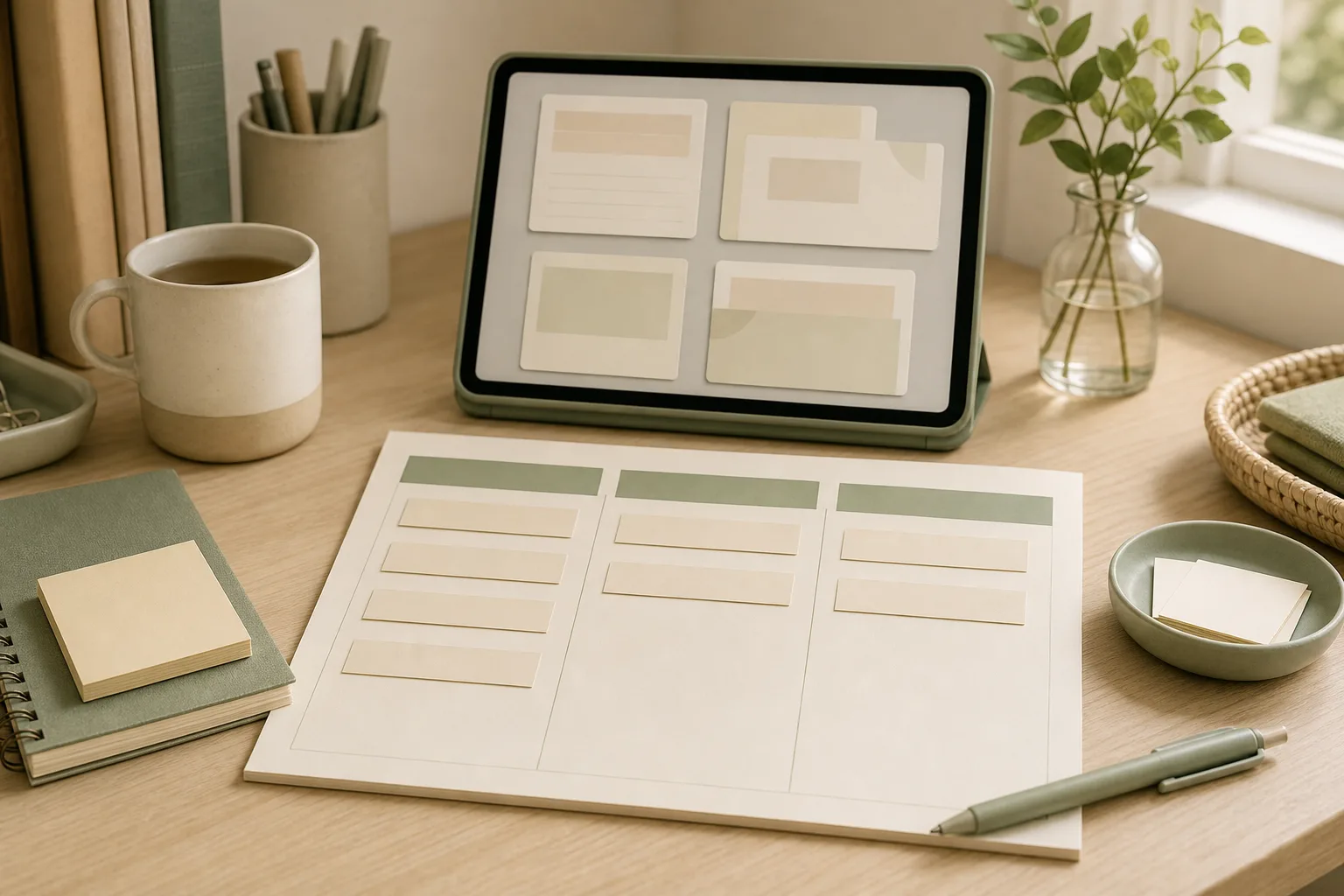
To prioritize today’s work, separate tasks you can start from tasks waiting on an input, then choose a short list that fits the time actually available. A three-column note—Do Today, Prepare or Wait, and Park for Later—makes that decision visible without replacing your project system.
Worked example: an 80-minute work window
This is an invented planning example, not a measured productivity result. Assume meetings leave 80 minutes of open work time. The first draft of your list contains 90 minutes of work, so the list must change before it can become a useful plan.
Incoming item
Decision
Next action
Client update, estimated 35 minutes; due today
Do Today
Draft the update and check the three unresolved points.
Write the agenda questions and link the background file.
Slide redesign, estimated 30 minutes; no near deadline
Park for Later
Record the first change to test, then move it off today’s list.
Report blocked by another person’s figures
Prepare or Wait
Send one request with the missing input and the time it is needed.
The revised example allocates 60 minutes to the two ready tasks, leaving 20 minutes unassigned for transitions or unexpected work. Those estimates are planning assumptions, not promises that the tasks will finish on time.
A rule for a new urgent request
Before adding it to Do Today, name the item it displaces. If everything remains on the list, you have not resolved the priority conflict. Ask the relevant owner to choose the trade-off when deadlines cannot all be met.
Copy this line: “I can complete A and B in the available time. If C becomes the priority, which item should move?”
The three-column priority note
The note is designed for practical work organization rather than a complete project-management system. It gives every task a temporary home and reduces the need to repeatedly reconsider the same list.
Column
Use it for
Example
Do Today
Work that has a meaningful reason to move today and can be started with the information available.
Draft the two-paragraph update for the 3 p.m. review.
Prepare or Wait
Tasks blocked by a question, approval, file, meeting, or response from another person.
Ask for the latest figures before updating the report.
Park for Later
Useful work that is not needed in the current workday or does not fit the available capacity.
Collect ideas for next month’s process guide.
Keep the wording action-based. “Client project” is a topic, while “confirm the open items for the client project” is a next action. If a task is too large to begin, add a smaller first step such as “open the previous version,” “list the three missing inputs,” or “write the question for the meeting.”
A four-step routine for today’s work
1. Prepare: collect before you prioritize
Set a short timer and gather tasks from the places you already use: email flags, chat messages, meeting notes, paper reminders, and the previous day’s list. Do not try to organize each item while collecting it. Capture enough detail to recognize the task later.
For repeated tasks, use a consistent verb at the start of each line: review, reply, draft, check, schedule, compare, or send. This makes a work checklist easier to scan and helps separate actions from general concerns.
2. Sort: give each item one temporary home
Move each item into one of the three columns. Ask three practical questions:
Is there a clear reason to move this forward today?
Can I begin it with the information and access I have?
If not today, what event or condition would bring it back?
Items with a time-sensitive commitment may belong in Do Today, but the column should remain small enough to be realistic. Items waiting for a reply belong in Prepare or Wait; write the next follow-up date or question beside them. Items without a current reason to act can go to Park for Later, where they remain visible without competing with today’s work.
3. Act: choose a short sequence, not a perfect schedule
Choose one starting task, one secondary task, and a small number of maintenance actions such as replies or filing. Begin with the task that has the clearest next action, the nearest useful checkpoint, or the greatest effect on other work. The right choice can change when a manager replies, a meeting moves, or new information arrives.
Use the Prepare or Wait column actively. Send the question, request the file, or record the decision needed. A blocked task that has a named follow-up is easier to revisit than a blocked task that simply remains in a list.
4. Review: close the loop before stopping
At the end of the work period, spend a few minutes updating the note. Mark completed actions, move unfinished work to the correct column, and write the next action for anything that remains. Avoid carrying a vague item forward unchanged.
For a weekly review, look across the notes from the past few days. Identify repeated delays, recurring requests, and tasks that repeatedly return from Park for Later. This is not a request to redesign your entire workflow. It is a way to notice whether a recurring task needs a template, a clearer owner, a meeting decision, or a scheduled block of time.
A 15-minute action plan
Minutes 1–4: Collect tasks from messages, meeting notes, and yesterday’s note.
Minutes 5–8: Sort every item into Do Today, Prepare or Wait, or Park for Later.
Minutes 9–12: Choose the first action and write any questions, dependencies, or follow-up dates.
Minutes 13–15: Put the note where it will be visible and remove duplicate or unclear lines.
After this setup, keep the note open beside the work you are doing. When a new request arrives, capture it in the appropriate column instead of immediately replacing the task already in progress. Re-sort during a natural pause, such as after a meeting or before a break.
Copyable daily template
DATE:
TODAY’S MAIN OUTCOME:

DO TODAY
- [ ] Action / next step — useful checkpoint:
- [ ] Action / next step — useful checkpoint:
- [ ] Action / next step — useful checkpoint:

PREPARE OR WAIT
- [ ] Waiting for / question — person or source — follow-up date:
- [ ] Waiting for / question — person or source — follow-up date:

PARK FOR LATER
- [ ] Task or idea — revisit when:
- [ ] Task or idea — revisit when:

END-OF-DAY REVIEW
- Completed:
- Moved to another column:
- First action for the next work period:
The template can live in a plain text file, a document, a notebook, or an existing task tool. The value comes from the decisions recorded in it, not from a particular format.
Using the note for meeting notes
Meeting notes often mix decisions, information, open questions, and future ideas. After a meeting, translate each useful line into one of the three columns:
Decision with an owner: place your next action in Do Today only when today is the appropriate time to begin.
Open question or missing input: place the follow-up in Prepare or Wait and name the person, document, or decision needed.
Future idea: place it in Park for Later with a review point if one is known.
This separation helps prevent meeting notes from becoming a second, unstructured task list. Keep the original context elsewhere if needed, but bring only the actionable next step into the daily note.
A short checklist for repeated tasks
Capture: Did I record the task in one place rather than relying on memory?
Clarify: Does each line begin with an action or a clearly stated question?
Sort: Is the item in the column that matches its current timing and dependency?
Limit: Can the Do Today column fit the time and attention available?
Unblock: Have I sent the request or written the question for waiting work?
Review: Does every unfinished item have a next action or a reason to wait?
Common adjustments when the system feels strained
Too many items in Do Today
Move items without a current checkpoint to Park for Later. For urgent requests, compare deadlines, dependencies, and the cost of delaying existing work. If priorities conflict, record the conflict and ask the relevant decision-maker rather than silently expanding the list.
Prepare or Wait keeps growing
Add a specific follow-up date and make the dependency visible. If several tasks wait on the same input, group them under one request. A waiting list can reveal a communication or ownership issue, but it does not by itself resolve one.
Park for Later becomes a storage pile
During the weekly review, remove ideas that no longer matter and give useful items a review condition. For example, “revisit after the next process meeting” is easier to act on than “someday.”
FAQ
Should every task have a deadline?
No. A deadline is useful when there is a real date or consequence. For other items, use a next review point, dependency, or decision condition instead of inventing a date.
How many tasks should go in Do Today?
Use the time and attention available as the limit. A short list of meaningful actions is generally easier to update than a long list that treats every task as equally urgent. The exact number depends on the workday, interruptions, and task size.
Can this replace a project-management tool?
It can serve as a daily working note, but it may not replace tools used for shared ownership, approvals, deadlines, audit history, or complex dependencies. Keep the source of truth for team work where your organization expects it, and use this note as a focused daily view.
What should happen to a new urgent request?
Capture it first, then compare it with the current Do Today list. If it changes the order of work, note what will move and communicate that trade-off when another person’s expectation is affected.
Conclusion
A three-column priority note offers a small structure for a busy workday: act on what is ready, make blocked work easier to unblock, and keep later ideas from competing with current commitments. The four-step cycle—prepare, sort, act, and review—turns the note into a repeatable work checklist. Start with the 15-minute setup, adjust the column names to match your language, and review the system after several workdays for patterns that deserve a larger process change.